🐟 Snapper
Snapper is a popular fish enjoyed by seafood enthusiasts for its mild flavor and versatile culinary uses. Known for its lean meat, Snapper is often sought after for its delicate texture and adaptability in a variety of dishes. Commonly found in both home kitchens and restaurants worldwide, this fish is sometimes marketed under different names depending on the region, such as Red Snapper or Pink Snapper. Its firm, white flesh makes it a favorite for grilling, baking, and more. Whether prepared simply with lemon and herbs or featured as the star ingredient in complex dishes, Snapper often appeals to a wide range of palates.
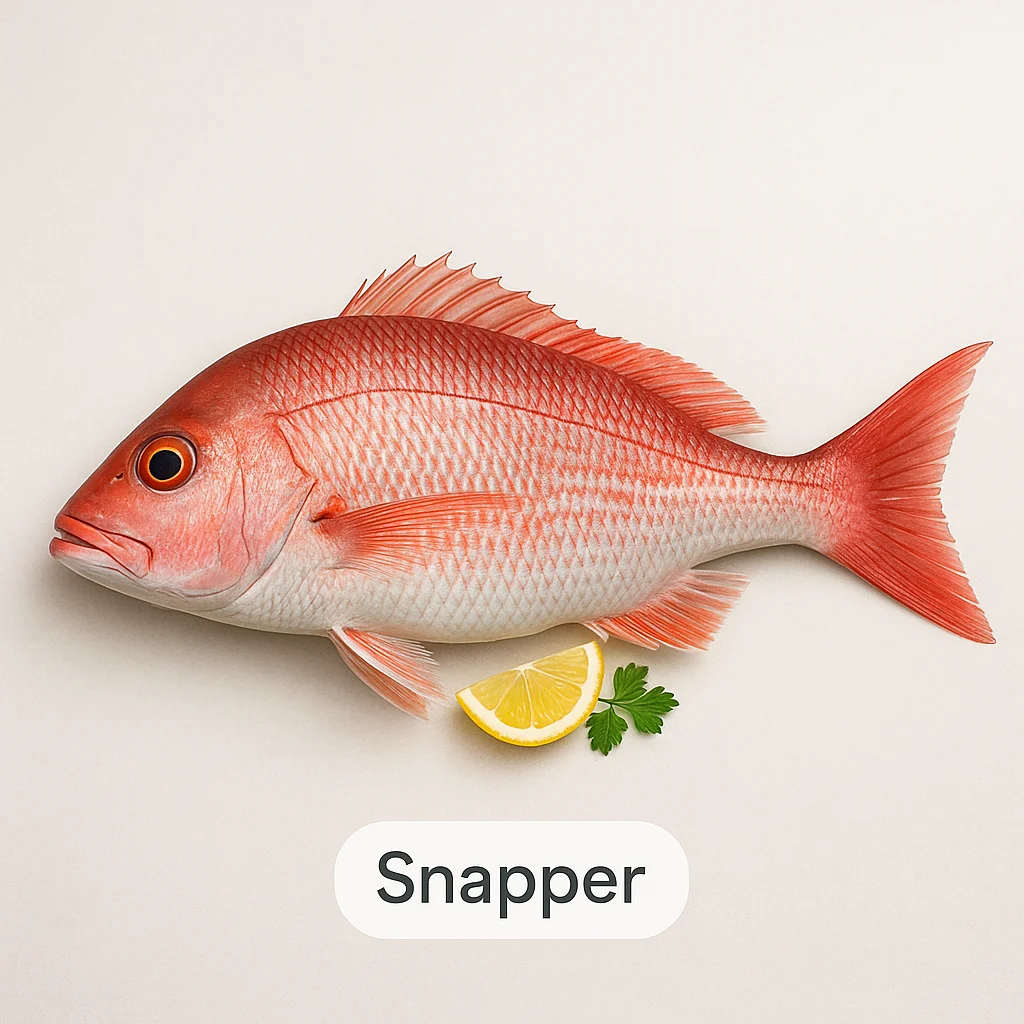
The fish is often appreciated for its relative ease of preparation and the fact that it can be cooked using various methods. Snapper can be an excellent choice for those who enjoy a milder taste in seafood while still benefiting from a nutritious meal. Its lean nature classifies it as a "lean fish", meaning it has less fat compared to oily fish like salmon or mackerel.
🐠 Taste & Texture
Snapper offers a pleasing balance of flavors, with a hint of sweetness and a delicate saltiness that complements a variety of seasonings. Its flesh is lean, offering a moist, tender mouthfeel with a medium-sized flake that easily separates when cooked correctly. Fresh Snapper should have a clean, mild smell reminiscent of the sea, never overly fishy or pungent.
- Flavor: Mild and slightly sweet
- Texture: Firm yet tender
- Smell: Fresh, ocean-like aroma
🌊 Origin & Habitat
Snapper thrives in coastal and reef environments, often found swimming in the waters around reefs and deep ocean ports. Wild-caught Snapper tends to come from tropical and subtropical regions, including the Gulf of Mexico, the Caribbean, and parts of the Indian and Pacific Oceans. While there are farmed varieties of Snapper, wild-caught tends to be more popular due to its perceived superior taste and texture. Availability may vary depending on regional fishing practices and regulations.
📅 Best Season
The peak season for Snapper varies significantly depending on the region. Generally, Snapper is considered best when caught during its local peak season, when the fish are most abundant and the best-cared-for conditions enhance their flavor and texture. Peak times can lead to lower prices and higher quality due to plentiful supply. For those interested in eating the best-tasting Snapper, it's advisable to check local availability and seasons with fishmongers or seafood markets.
🔪 Preparation
Preparing Snapper properly helps ensure a delicious final dish. The process begins with cleaning and scaling; removing the scales ensures the fish is ready for any cooking method. Gutting the fish, checking for pin bones, and trimming any unwanted sections are essential steps. Basic knife safety is advised to avoid injuries while handling finicky fish.
- Scale the fish thoroughly
- Remove the gills and gut the fish
- Check and remove any pin bones
- Rinse under cool water for cleanliness
Controlling odor can keep the kitchen smelling fresh. Techniques such as a quick soak in milk, a light salt rub, or a brief rinse under cold water may help neutralize any strong aromas without altering the fish's natural flavors.
❄️ Storage Tips
Storing Snapper correctly prolongs its freshness. If refrigerated, Snapper should be consumed within two days for optimal taste. Placing it on ice or in a cold part of the fridge helps preserve it longer. If freezing, portioning the fish and removing as much air as possible from the storage bag or container prevents freezer burn. Thaw Snapper safely by placing it in the refrigerator overnight, never at room temperature to prevent bacterial growth.
- Do store fish on ice in the fridge
- Do wrap tightly to minimize air exposure
- Don’t refreeze once thawed
- Don’t leave raw fish at room temperature
🍽️ Popular Dishes
Snapper's versatility is highlighted in various culinary applications. Some popular dishes include:
- Grilled Snapper: High heat cooking enhances its natural sweetness with a crispy exterior
- Pan-Seared Snapper: A quick method that maintains moisture and creates a golden crust
- Fried Whole Snapper: A classic that offers crispy skin and moist interior
- Baked Snapper with Herbs: Gentle baking enhances subtle flavors, perfect for showcasing herbs
- Snapper Ceviche: Marinated in citrus, providing a refreshing, tangy flavor. Use sashimi-grade fish for safety
- Snapper Stew: Slow-cooked dishes utilize the firm flesh, absorbing robust flavors
For raw dishes like ceviche, sourcing high-quality, sashimi-grade Snapper can reduce the risk of parasites, but cooking thoroughly is generally recommended for safety.
🥗 Nutritional Benefits
Snapper is a good source of lean protein, making it an ideal choice for those looking to include fish in a balanced diet. While lower in fat than some other options, it still frequently contains beneficial omega-3 fatty acids. Additionally, Snapper can be a great source of various vitamins and minerals vital for health.
- High in protein
- Contains omega-3 fatty acids
- Supply of vitamins D and B12
- Rich in minerals like selenium and phosphorus
⚠️ Who Should Eat & Caution
People with fish allergies should avoid Snapper, as with all fish, to prevent allergic reactions. Cross-contact in mixed-use kitchens can also present risks for those with severe allergies. Snapper is generally considered low to moderate in mercury. However, sensitive groups such as pregnant individuals and young children should consume it in moderation, following available health advice.
There are risks associated with raw or undercooked seafood, so ensure thorough cooking to minimize potential health hazards. Following safe-handling practices simplifies working with Snapper, such as maintaining clean utensils and segregated cutting boards for raw and cooked foods.
📌 Summary
Snapper stands out for its mild taste, tender texture, and numerous health benefits, making it a favorite seafood option for many. Recognized for its versatility, it caters to a range of cooking styles, whether grilled, baked, or prepared raw. Correct storage and handling ensure that Snapper retains its quality, while careful selection adds to a better dining experience.
- Mild, sweet flavor with firm texture
- Best fresh, stored on ice or refrigerated
- Popular in diverse global dishes
- Provide nutritious benefits as part of a balanced diet