🐟 Hake
Hake is a popular fish found in waters worldwide and is highly valued in culinary circles for its mild flavor and versatile cooking properties. Known for their delicate flesh and subtle taste, hake is often enjoyed in a variety of dishes. People eat hake for its nutritional benefits as well as its adaptability in different culinary traditions. Depending on the region, it may also be referred to as merluza, borthwick, or whiting.
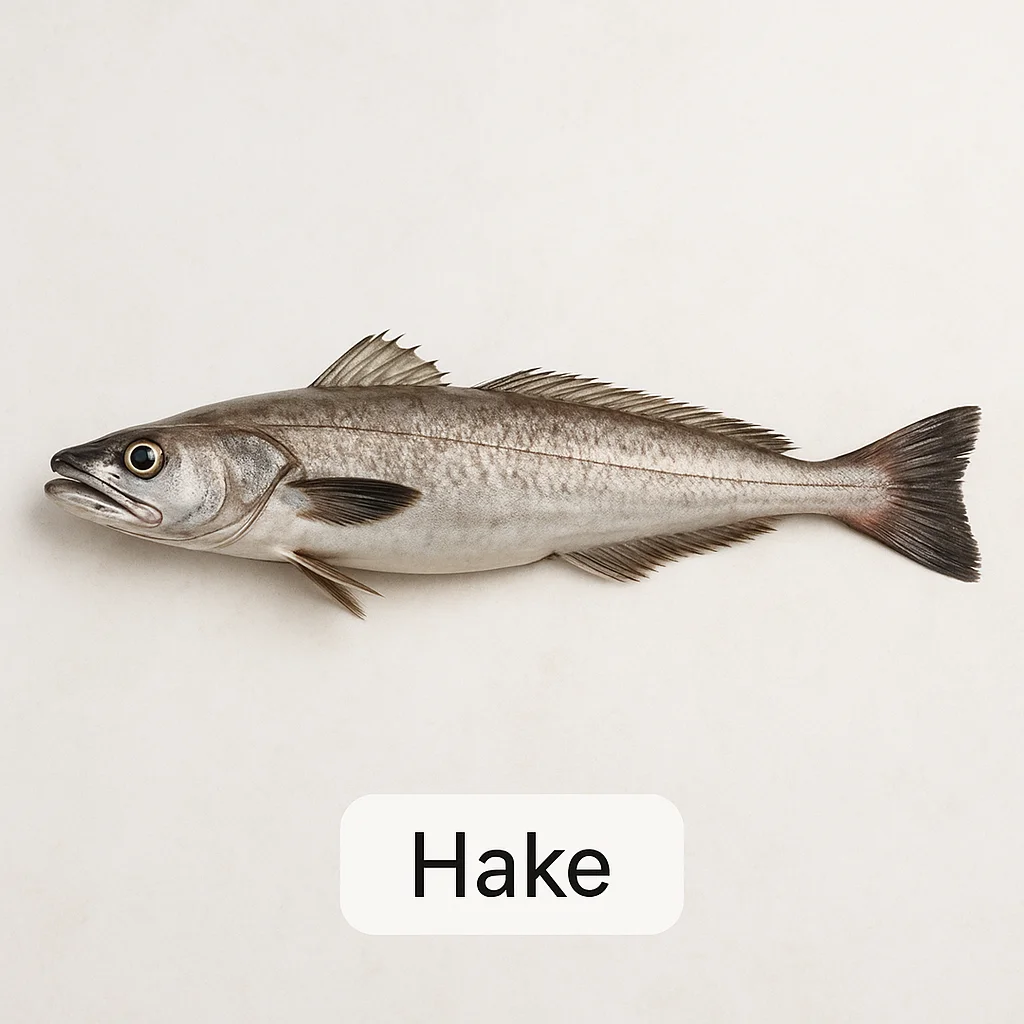
As a lean fish, hake has a lower fat content compared to oily fish like salmon, yet it still offers a delightful culinary experience. It is frequently favored for its light, flaky texture and mild, slightly sweet flavor. Its appearance varies slightly depending on the specific species and habitat, but typically, it is a sleek fish with a silver body.
🐠 Taste & Texture
Hake is celebrated for its mild and subtle taste, making it a versatile ingredient that pairs well with various seasonings and sauces. The flavor is not overpowering, and it's often described as slightly sweet with a clean taste. Its texture is soft and flaky, providing a pleasant mouthfeel that doesn't quite melt but certainly feels delicate on the palate. The aroma of fresh hake should be clean and open, devoid of any strong fishy odor.
- Mild, slightly sweet taste
- Soft, flaky texture
- Lean and low in fat
- Clean, fresh smell when raw
🌊 Origin & Habitat
Hake is found predominantly in the coastal waters of the Atlantic and Pacific Oceans and is a staple in both wild and farmed markets. They tend to favor deeper, cooler waters and are often harvested using sustainable methods. While hake is available globally, it is especially prized in regions such as Europe and South America, where it often makes an appearance in local cuisines.
The wild harvest of hake usually depends on the seasonal movements of these fish, while farmed hake provides a more consistent supply. The difference in taste and texture between wild and farmed hake can vary slightly, but both offer a fresh and tender product suitable for various preparations.
📅 Best Season
The seasonality of hake can vary greatly depending on the region, but generally speaking, its peak season is during the colder months when the fish are most active. This period often results in hake with elevated fat content, enhancing its flavor and texture. However, since it is globally available, consumers may find varying availability and price throughout the year. To ensure the best quality, it's a good idea to consult local vendors regarding the peak season for hake in your area.
🔪 Preparation
Proper preparation of hake ensures not only a flavorful meal but also a safe dining experience. It's important to clean, scale, and gut the fish thoroughly after purchase. Removing pin bones is recommended to avoid any culinary mishaps, and trimming the fish neatly will enhance both its appearance and cooking consistency. Here’s a basic checklist to get started:
- Clean under cold running water
- Scale with a fish scaler
- Gut carefully to remove all innards
- Remove pin bones meticulously
- Trim fins and tail for neatness
Odor control, an important step, can be achieved by a quick soak in milk or a light sprinkle of salt before rinsing, which may help in reducing any lingering fishy smell.
❄️ Storage Tips
Maintaining the freshness of hake requires careful attention to storage practices. In the refrigerator, fresh hake should be consumed within two days. It is best stored on ice and wrapped in an airtight package to prevent exposure to air and possible contamination.
For longer storage, freezing is effective. Portion the hake and remove as much air as possible from the packaging to prevent freezer burn. To thaw, place the fish in the refrigerator overnight, avoiding room temperature thawing to minimize bacterial growth.
- Do store on ice or in the coldest part of the fridge
- Don't leave at room temperature
- Do wrap tightly for freezing
- Don't forget to label with dates
🍽️ Popular Dishes
Hake is celebrated in numerous cuisines, often appearing in dishes that highlight its delicate taste and texture. Here are a few popular ways to prepare and enjoy hake:
- Grilled hake with lemon and herbs: cooked with high heat to retain moisture
- Pan-seared hake fillets: browned with a crisp outer texture, perfect for quick meals
- Hake stew: slow-cooked with vegetables and spices for a rich, hearty dish
- Breaded and fried hake: offers a crunch that complements its softness
- Steamed hake with ginger: gently cooked to preserve the flaky texture
- Baked hake with tomatoes: enhances flavor while keeping it light
- Ceviche-style hake: cured in lime juice for a refreshing dish, remind to ensure fish quality and freshness
🥗 Nutritional Benefits
Hake is not just a tasty option but also a nutritious one. It's a good source of lean protein, which plays a crucial role in muscle building and maintenance. While hake contains lower amounts of omega-3 fatty acids than some other oily fish, it still provides valuable nutrients to the diet. It is also known for containing essential vitamins and minerals such as B vitamins, selenium, and phosphorus.
- High in lean protein
- Source of B vitamins
- Includes selenium and phosphorus
⚠️ Who Should Eat & Caution
Hake, like other fish, presents some considerations for consumers. Those with fish or shellfish allergies should avoid it or consult with a healthcare provider. Furthermore, like many varieties of fish, there is a potential for mercury content, so it may be advisable for pregnant individuals and young children to moderate their consumption, following general health guidelines.
When preparing hake, proper cooking and handling are essential to avoid the risks of eating raw or undercooked fish. This includes thoroughly cooking the fish until it is opaque and flakes easily with a fork, helping to minimize the risk of foodborne illnesses from parasites or bacteria.
📌 Summary
Hake offers a mild flavor and tender, flaky texture that is beloved in many global cuisines. Its adaptability allows it to shine in various cooking methods, from grilling to baking. Proper storage and handling ensure the best flavor and safety, while its nutritional profile makes it a beneficial addition to many diets. Choose hake responsibly and enjoy the delightful taste it brings to the table.
- Mild and adaptable in many dishes
- Easy to store with proper methods
- Offers lean protein and essential nutrients
- Consider sustainability and seasonality