🐟 Alaska Pollock
Alaska Pollock is a popular seafood choice known for its mild flavor and versatile culinary applications. Scientifically called Gadus chalcogrammus, it's also commonly referred to as Walleye Pollock or simply Pollock. This fish is highly sought after because of its delicate taste and flaky texture, making it a staple ingredient in various dishes worldwide, from fish sticks to imitation crab. People enjoy Alaska Pollock not only for its pleasant taste but also because it's readily available and often affordable, offering a budget-friendly seafood option.
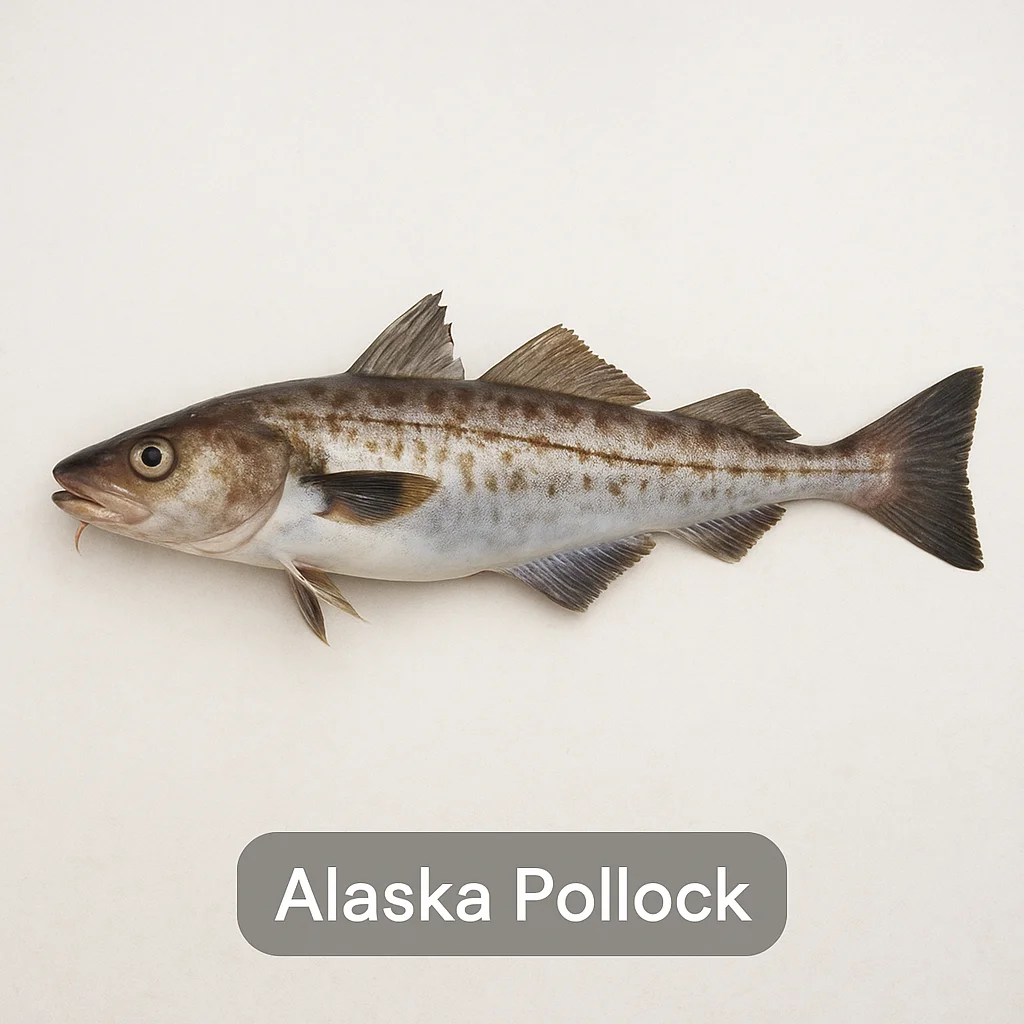
Alaska Pollock is categorized as a lean fish, meaning it has lower fat content compared to oily fish like salmon or mackerel. This characteristic makes it a healthy protein source for many. The fish is a member of the cod family and is frequently used as a substitute for cod in recipes. Its versatility makes it a favorite choice in both home kitchens and commercial food production.
🐠 Taste & Texture
Alaska Pollock has a mild, subtle flavor that is neither too sweet nor too salty, making it an ideal base for various seasonings and sauces. The texture is pleasantly flaky, offering a delicate mouthfeel that is neither tough nor rubbery when cooked correctly. Fresh Alaska Pollock should have a clean, oceanic smell, without any overpowering fishiness.
- Flavor: Mild and neutral
- Texture: Flaky and tender
- Smell: Fresh, oceanic aroma
- Fat Content: Lean
🌊 Origin & Habitat
Alaska Pollock is typically found in the cold waters of the Northern Pacific Ocean, especially around Alaska. This species thrives in coastal and deep-sea environments where it feeds on zooplankton and smaller fish. It is predominantly wild-caught rather than farmed, which often contributes to its distinct, clean taste and firmer texture. Major fishing regions for Alaska Pollock include the Bering Sea and Gulf of Alaska, where sustainable harvesting practices are prioritized.
📅 Best Season
The peak season for Alaska Pollock generally runs from January to March and again from June to August. During these periods, the fish tend to have a richer flavor and improved texture due to optimal fat content. However, availability may vary by region, so it's always a good idea to check with local markets for the freshest catch.
🔪 Preparation
Preparing Alaska Pollock involves several key steps to ensure the best results. First, rinse the fish under cold water, then pat it dry. Scaling is often not necessary, as the skin is generally thin. Ensure to remove any residual pin bones by running your fingers along the flesh and using tweezers to extract them. Trimming involves cutting away any unwanted parts like fins or the tail. For odor control, a brief soak in milk or a quick salt rinse can often neutralize any fishiness.
- Rinse and dry the fish
- Debone carefully
- Trim unnecessary parts
- Consider a milk soak for odor control
❄️ Storage Tips
For optimal freshness, Alaska Pollock should be stored in the coldest part of your refrigerator and consumed within 1–2 days. When storing on ice, ensure the fish is wrapped airtight to prevent water logging. In freezing conditions, portion the fish, remove as much air as possible from packaging, and wrap securely to minimize freezer burn. Thaw the fish slowly in the refrigerator or under cool running water to maintain quality.
- Do store in airtight wrapping
- Don’t leave at room temperature
- Do freeze in portions
- Don’t refreeze once thawed
🍽️ Popular Dishes
Alaska Pollock is a culinary chameleon that suits many cooking styles. Some popular dishes include grilled pollock, which enhances its natural flavors, or pan-seared fillets for crispy outer layers. It's featured in hearty stews where it absorbs rich broths, or lightly fried in batter for a classic fish and chips meal. For more delicate applications, steamed pollock retains moisture and tender texture. In areas where raw preparations are customary, such as ceviche, ensure the fish is sashimi-grade to mitigate health risks.
🥗 Nutritional Benefits
Alaska Pollock is not just versatile in flavor but also nutritionally beneficial. It offers a good source of high-quality protein necessary for muscle maintenance and repair. Omega-3 fatty acids, which are prevalent in seafood, contribute to heart health. Additionally, Alaska Pollock is rich in vitamins and minerals like B12, selenium, and phosphorus, all playing crucial roles in various bodily functions.
- High in protein
- Contains omega-3 fatty acids
- Rich in vitamins B12 and selenium
- Low in calories
⚠️ Who Should Eat & Caution
While Alaska Pollock is generally safe for consumption, those with fish allergies should avoid it. Fish, in general, poses a mercury concern, though Alaska Pollock tends to have lower levels compared to larger predators. Pregnant individuals and young children should consume it in moderation, consulting dietary guidelines. For dishes involving raw or undercooked seafood, ensure safe handling practices are followed to reduce the risk of foodborne illnesses.
📌 Summary
Alaska Pollock is a versatile, affordable seafood option appreciated worldwide for its mild flavor and delicate texture. Its diverse culinary uses range from simple pan-frying to incorporating it into gourmet meals. Proper handling and storage will ensure maximum freshness and quality, with a focus on choosing sustainable sources when purchasing.
- Versatile and mild flavor
- Lean and flaky texture
- Best fresh and sustainably sourced
- Safe handling and preparation ensure quality