🐟 The Best Way to Store Fresh Fish Overnight (Paper Towel + Tray Method)
🧭 Quick Overview
The paper towel and tray method is a trusted approach for storing fresh fish overnight, ensuring maximum freshness and safety. This guide is for anyone who loves seafood and wants to preserve its quality and flavor until it's time to cook.
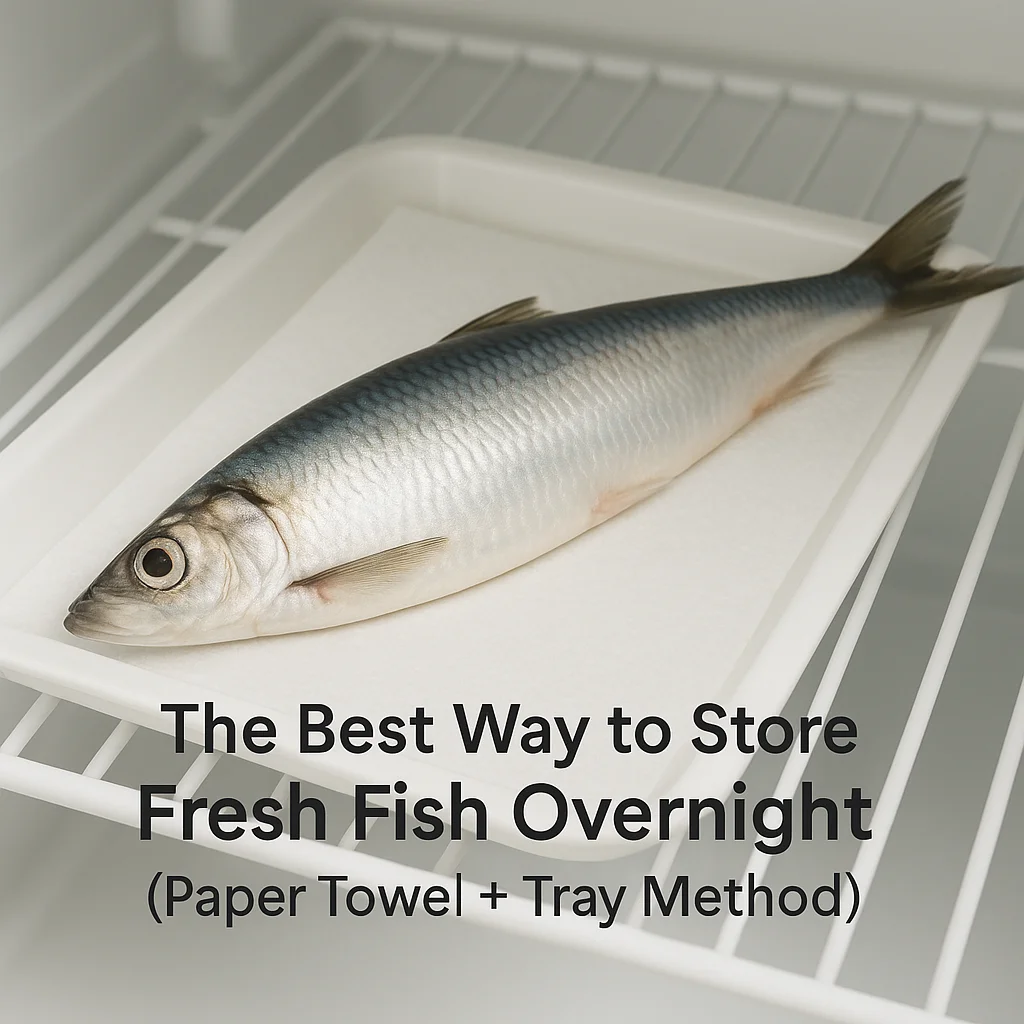
- Best for: Home cooks, seafood lovers, and anyone handling fresh fish.
- Common problems solved: Preventing spoilage, maintaining moisture, and avoiding odor transfer in the fridge.
- What you need: Fresh fish, paper towels, a shallow tray, and refrigerator space.
🧠 Why This Matters
Proper storage of fresh fish is crucial to maintain its delicate taste and firm texture while ensuring safety. Fish spoils quickly if stored improperly, leading to waste and potentially unsafe consumption. Using the right method can mean the difference between a fresh meal and a fishy disappointment.
✅ Step-by-Step Method
Follow these steps to store your fresh fish correctly overnight.
- Step 1: Start by rinsing the fish gently under cold water to remove any surface bacteria or impurities.
- Step 2: Pat the fish dry with paper towels to remove excess moisture, which can lead to bacterial growth.
- Step 3: Line a shallow tray with a fresh paper towel. Place the fish on top of the paper towel, ensuring the entire surface contacts the paper.
- Step 4: Cover the fish lightly with another paper towel to absorb any additional moisture.
- Step 5: Store the tray on a lower shelf in the refrigerator to keep it at the ideal, consistent temperature.
🧾 Checklist
Ensure you have followed these steps for optimal fish storage:
- Rinsed and dried the fish thoroughly.
- Used fresh paper towels for lining and covering the fish.
- Placed the fish on a shallow tray to allow air circulation.
- Stored the tray on a lower refrigerator shelf.
⚠️ Common Mistakes & Fixes
- Mistake: Leaving the fish in its original packaging. Fix: Always unwrap and use the paper towel method.
- Mistake: Not changing the paper towels when they become too damp. Fix: Replace damp towels with dry ones as needed.
- Mistake: Storing fish in a sealed container. Fix: Use a tray and paper towel to allow air flow.
🌍 Variations by Fish Type
The storage method may vary slightly depending on the type of fish.
- Oily fish: May require frequent paper towel changes due to higher fat content.
- Lean white fish: Less likely to release as much oil, requiring fewer changes.
- Thick steaks: Ensure thorough contact with the paper towels to prevent spoilage.
- Thin fillets: Handle gently to avoid tearing when drying.
🧊 Storage & Leftovers
Store fresh fish in the refrigerator for up to 2 days using this method. For longer storage, consider freezing after pat-drying. When reheating, ensure internal temperatures reach safe levels. Leftovers should be consumed within a day or two for best quality.
🛒 Buying Tips
When shopping for fresh fish, look for clear eyes, firm flesh, and a clean ocean smell. Avoid fish that appears dull, has a strong fishy odor, or displays signs of freezer burn if frozen.
🧼 Safety Notes
To avoid cross-contamination, always use a clean workstation and utensils when handling raw fish. Store fish away from other foods in the refrigerator to prevent flavor transfer. Cook thoroughly to recommended internal temperatures.
❓ FAQs
- Question: Can I store fish without paper towels? Answer: It's generally not recommended as paper towels help absorb moisture, keeping the fish fresh.
- Question: Is it safe to eat fish stored for 3 days? Answer: Ideally consume within 2 days. If in doubt, check for any off odors or discoloration.
- Question: Can I use this method for shellfish? Answer: It's best used for fish. Shellfish have different storage needs, usually involving ice.
📌 Summary
- Proper storage improves fish freshness and safety.
- Always use the paper towel and tray method for best results.
- Different fish types may require slight method adjustments.