🐟 The Best Containers and Wraps for Fish Storage (Plastic Wrap, Vacuum Seal, Paper)
🧭 Quick Overview
Storing fish properly is critical in maintaining its freshness, taste, and texture. This guide is essential for home cooks, fishermen, and seafood enthusiasts who want to extend the life of their catch while preserving quality and safety. Whether you're dealing with a fresh catch or storing leftovers, understanding the best storage options can make a significant difference.
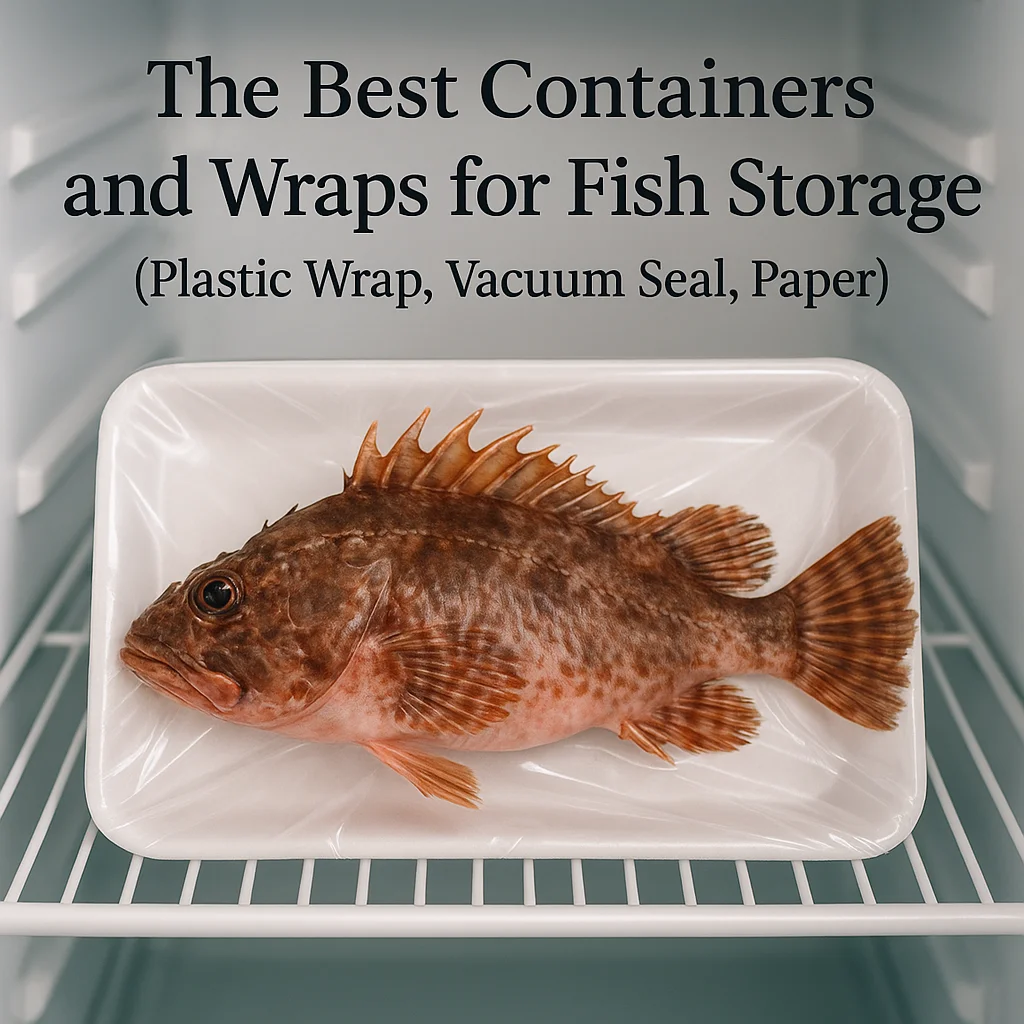
- Best for: Home cooks, seafood enthusiasts, small-scale fishermen
- Common problems solved: Avoiding spoilage, maintaining freshness, preventing freezer burn
- What you need: Plastic wrap, vacuum sealer, parchment paper, freezer-safe containers
🧠 Why This Matters
Proper fish storage is not just about preventing waste; it's about ensuring your meals are as enjoyable and safe as possible. Fish is a delicately flavored protein that can quickly lose its appeal if not stored correctly. By using the appropriate containers and wraps, you safeguard the freshness, taste, and nutritional value of your seafood.
✅ Step-by-Step Method
When it comes to storing fish, follow these steps to ensure optimal freshness and safety:
- Step 1: Clean and dry the fish. Rinse it under cold water and pat dry with paper towels to remove any excess moisture.
- Step 2: Decide on the storage method: plastic wrap, vacuum seal, or paper.
- Step 3: If using plastic wrap, tightly cover the fish ensuring no air pockets. This is suitable for short-term storage.
- Step 4: For vacuum sealing, place the fish in a vacuum-sealable bag and remove as much air as possible. This extends the storage life significantly.
- Step 5: If opting for paper, wrap the fish in parchment or wax paper, and then in foil for extra protection. Great for leaner fish types.
🧾 Checklist
Keep this checklist handy to make sure you're properly storing your fish:
- Ensure the fish is fresh before storing.
- Remove any visible moisture from the fish surface.
- Choose suitable storage methods based on duration and type of fish.
- Label the storage package with the date.
- Store fish in the coldest part of the refrigerator or freezer.
⚠️ Common Mistakes & Fixes
- Mistake: Storing fish with excess moisture. Fix: Always pat dry before wrapping.
- Mistake: Using inappropriate wrap for oily fish. Fix: Use vacuum seal for oily fish to prevent oxidation.
- Mistake: Forgetting to label and date packages. Fix: Always mark with date and type for better inventory management.
🌍 Variations by Fish Type
Different types of fish require specific storage techniques to maintain their unique qualities:
- Oily fish: Vacuum seal to prevent oxidation and preserve oils.
- Lean white fish: Plastic wrap is sufficient for short-term storage; vacuum seal for long-term.
- Thick steaks: Vacuum sealing helps maintain moisture and texture during freezing.
- Thin fillets: Wrap tightly in plastic to prevent drying out.
🧊 Storage & Leftovers
Stored correctly, fresh fish typically lasts for about two days in the refrigerator. For freezing, ensure your fish is airtight to keep for up to six months. When reheating cooked fish, use gentle methods such as steaming or microwaving on low to avoid overcooking.
🛒 Buying Tips (if relevant)
Select the freshest fish by looking for clear, bright eyes, red gills, and firm flesh. For fillets, ensure they are plump without discoloration. Always consider purchasing from reputable seafood suppliers to ensure quality.
🧼 Safety Notes
Avoid cross-contamination by storing fish separately from other foods. Keep your refrigerator below 40°F (4°C) to slow bacterial growth. When unsure about the fish's freshness, it's typically safer to discard rather than risk foodborne illnesses.
❓ FAQs
- Question: Can fish be refrozen after thawing? Answer: Generally, it is not recommended as it affects texture and quality.
- Question: Is it safe to store fish wrapped in plastic wrap alone? Answer: It's safe for short-term storage; consider using a vacuum seal or paper for longer preservation.
- Question: How long can I keep cooked fish in the refrigerator? Answer: Typically, cooked fish stays fresh for up to four days in the refrigerator.
📌 Summary
- The right storage method enhances fish quality and shelf life.
- Plastic wrap, vacuum seal, and paper each have unique benefits.
- Understanding fish type and storage needs avoids common pitfalls.