🐟 Safe Thawing Methods Compared: Fridge vs Cold Water vs Microwave
🧭 Quick Overview
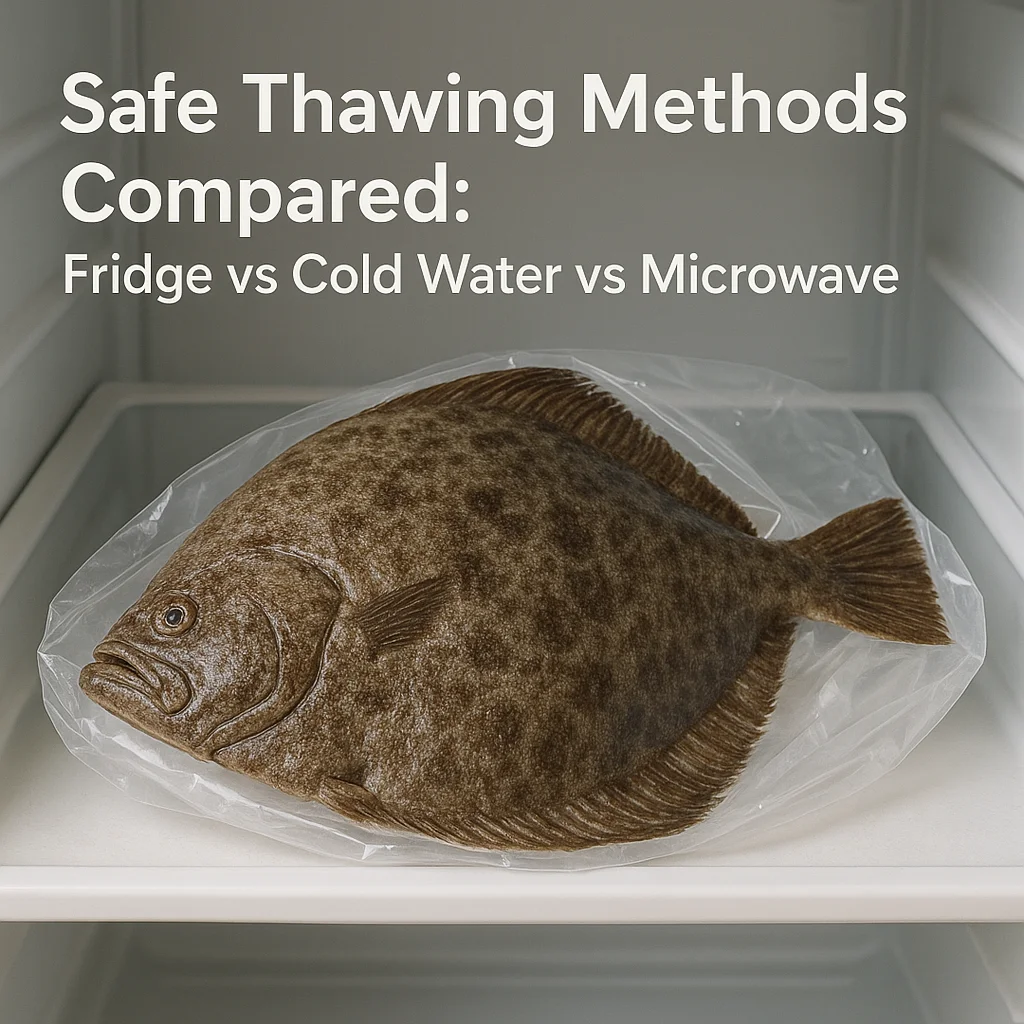
In this guide, we'll explore the three primary methods for safely thawing seafood: refrigeration, cold water, and microwave. We'll compare their benefits, potential drawbacks, and the ideal type of seafood for each method. This guide is perfect for home cooks who want to ensure safety and quality when defrosting seafood.
- Best for: Home cooks, seafood enthusiasts, meal planners
- Common problems solved: Uneven thawing, food safety concerns, time management
- What you need: Refrigerator, sink or large bowl, microwave
🧠 Why This Matters
Thawing seafood properly is crucial for maintaining flavor, texture, and safety. Improper thawing can lead to bacterial growth, which affects both health and taste. Additionally, each thawing method offers different conveniences ranging from time efficiency to maintaining the food's integrity, allowing you to plan your meals better.
✅ Step-by-Step Method
Follow these steps to safely thaw seafood using your preferred method:
- Step 1: Decide which thawing method best suits your time and needs—fridge, cold water, or microwave.
- Step 2: If using the fridge method, place the seafood on a plate or in a container on the bottom shelf to prevent drips.
- Step 3: For cold water, submerge the seafood in a sealed plastic bag in cold water, changing the water every 30 minutes.
- Step 4: When opting for microwave thawing, use the defrost setting, ensuring to check and rotate the seafood for even thawing.
- Step 5: Once thawed, cook the seafood immediately, especially if using the microwave method.
🧾 Checklist
Ensure you have completed the following checklist before starting your thawing process:
- Choose the appropriate thawing method for your seafood type.
- Have the correct equipment ready: fridge space, a bowl, or microwave-safe dish.
- Plan to cook or use the seafood promptly after thawing.
⚠️ Common Mistakes & Fixes
- Mistake: Thawing seafood on the counter. Fix: Always use the fridge or cold water method to avoid bacterial growth.
- Mistake: Not changing the cold water frequently. Fix: Change the water every 30 minutes to keep it at a safe temperature.
- Mistake: Overthawing in the microwave. Fix: Use short intervals and check frequently to prevent cooking.
🌍 Variations by Fish Type
The thawing method may vary based on the type of seafood you are using:
- Oily fish: Best thawed in the fridge to maintain texture and prevent oils from becoming rancid.
- Lean white fish: Can be thawed using cold water for quicker results without compromising texture.
- Thick steaks: Require more time, ideally in the fridge, to ensure even thawing.
- Thin fillets: Safe to thaw in the microwave but must be monitored closely for evenness.
🧊 Storage & Leftovers
Once thawed, seafood should be cooked immediately to maintain quality. Cooked seafood can be stored in the fridge for up to 2 days. If freezing leftovers, use within a month for the best quality. Reheat gently to avoid overcooking, preferably using a microwave on low power or a gentle stove-top method.
🧼 Safety Notes
Avoid cross-contamination by using separate utensils and cutting boards for raw and cooked seafood. Always ensure your seafood reaches a safe internal temperature when cooking. When in doubt, refrigerate any seafood whose quality or safety is uncertain.
❓ FAQs
- Question: Can I refreeze seafood once thawed? Answer: Generally, it's best to avoid refreezing thawed seafood to preserve texture and safety.
- Question: How long does it take to thaw seafood in the fridge? Answer: Typically, allow 24 hours for every pound of seafood.
- Question: Is it safe to thaw seafood in hot water? Answer: No, hot water can create a breeding ground for bacteria and partially cook the fish.
📌 Summary
- The fridge, cold water, and microwave methods offer distinct advantages for thawing seafood safely.
- Consider fish type and cut when choosing your thawing technique to maintain quality.
- Always adhere to safety guidelines to ensure the best taste and health outcomes.