🐟 Frozen Fish Quality Guide: Ice Crystals, Frost, and “Dry Spots” Explained
🧭 Quick Overview
In this guide, you will learn how to identify and understand the signs of quality and degradation in frozen fish, such as ice crystals, frost, and “dry spots.” This guide is ideal for home cooks, seafood enthusiasts, and those looking to optimize their seafood storage practices.
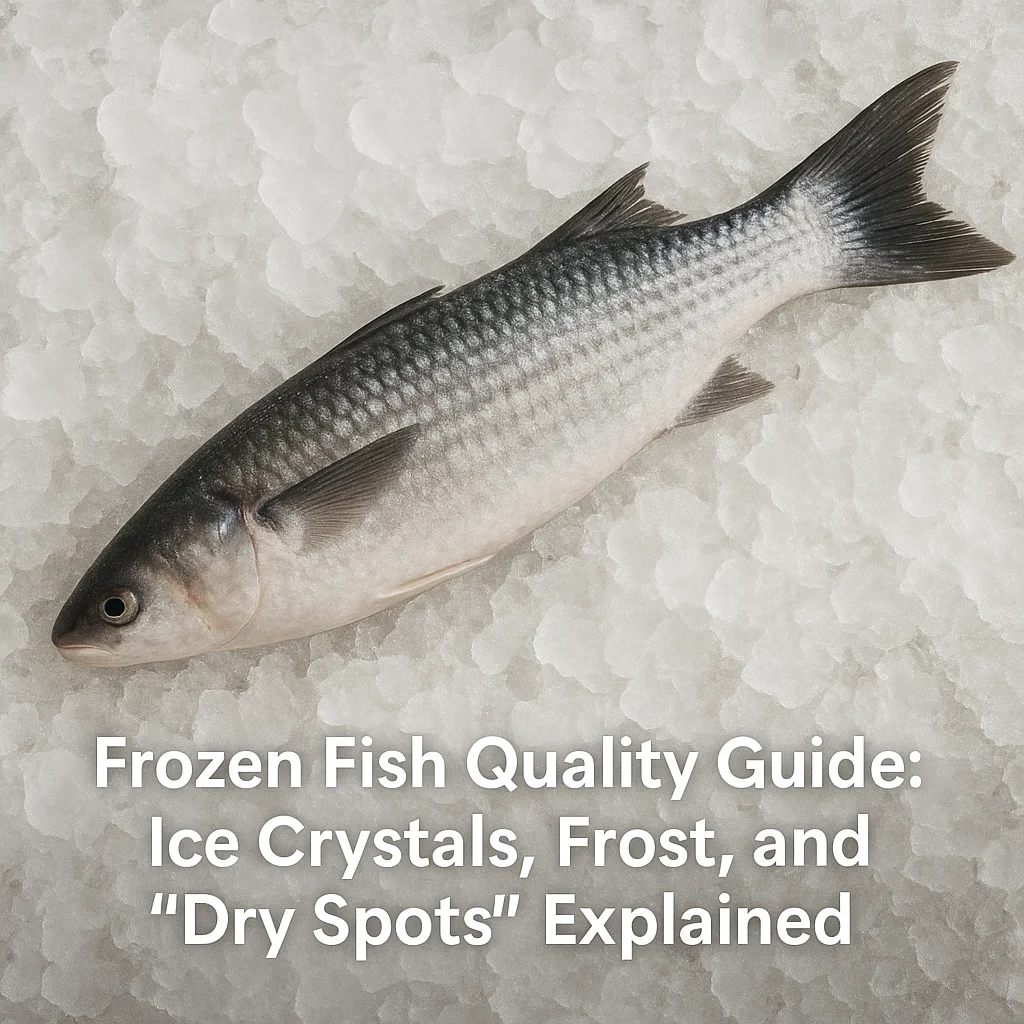
- Best for: Seafood purchasers, home cooks, anyone storing fish
- Common problems solved: Understanding ice crystals, preventing freezer burn, identifying freshness
- What you need: A freezer, airtight storage containers, temperature control
🧠 Why This Matters
Maintaining the quality of frozen fish is crucial for preserving its taste, texture, and nutritional value. Poor quality can lead to a loss of flavor, unattractive appearance, and even food waste. Understanding how to spot and prevent common issues like ice crystals and dry spots ensures you make the most of your seafood purchases.
✅ Step-by-Step Method
Follow these steps to assess and maintain the quality of your frozen fish:
- Step 1: Check the freezer temperature. It should be set at or below 0°F (-18°C) to maintain fish quality.
- Step 2: Inspect the packaging. Look for any visible damage or gaps that might allow air to enter.
- Step 3: Identify ice crystals and frost. A small amount of ice crystal formation is normal, but they should not cover the fish entirely.
- Step 4: Avoid “dry spots,” which indicate freezer burn. These appear as discolored, leathery patches on the fish surface.
- Step 5: Store fish properly using airtight containers or vacuum-sealed bags to minimize exposure to air.
🧾 Checklist
A practical checklist to maintain frozen fish quality:
- Ensure the freezer is set to the proper temperature.
- Inspect fish packaging upon purchase and before storage.
- Minimize the time that frozen fish is out of the freezer.
- Avoid freezing fish with visible signs of freezer burn.
- Rotate stock to use older items first.
⚠️ Common Mistakes & Fixes
- Mistake: Freezer temperature set too high. Fix: Adjust to 0°F (-18°C) or lower.
- Mistake: Poor packaging leading to air exposure. Fix: Use vacuum-sealed bags or airtight containers.
- Mistake: Storing fish for too long. Fix: Follow recommended storage times and label packages with dates.
🌍 Variations by Fish Type
How guidance varies by fish type:
- Oily fish: More prone to rancidity; use within shorter time frames.
- Lean white fish: Generally freezes well; less susceptible to freezer burn.
- Thick steaks: Require better packaging to avoid moisture loss.
- Thin fillets: Freeze quickly, reducing ice crystal formation risk.
🧊 Storage & Leftovers
For safe handling of leftovers, ensure they are cooled to room temperature before storing. Use them within two to three days if refrigerated. If freezing, adhere to proper packaging techniques to maintain quality. When reheating, ensure fish reaches an internal temperature of 145°F (63°C).
🛒 Buying Tips
When purchasing frozen fish, look for consistent coloring and texture in fillets. Packaging should be intact, with minimal ice crystals. Avoid packages with signs of freezer burn, such as discolored or dry areas.
🧼 Safety Notes
Avoid cross-contamination by keeping raw fish separate from other foods. Wash hands, utensils, and surfaces thoroughly after handling seafood. For cooking, ensure fish reaches a safe internal temperature to eliminate harmful bacteria.
❓ FAQs
- Question: Can I refreeze thawed fish? Answer: Generally, it's best not to refreeze thawed fish as it can affect quality and flavor.
- Question: How do I prevent freezer burn? Answer: Use airtight packaging and ensure your freezer is properly sealed and at the correct temperature.
- Question: How long can I store frozen fish? Answer: Typically, lean fish can be stored for up to six months, while oily fish should be used within three months for best quality.
📌 Summary
- Maintain proper freezer settings and use suitable packaging to prevent quality loss.
- Understand and tackle issues like ice crystals and dry spots to ensure delicious meals.
- Diverse fish types have different storage needs; tailor your approach accordingly.