🐟 Whiteleg Shrimp
Whiteleg shrimp, also known popularly as Pacific white shrimp, is one of the most commonly farmed and consumed shrimp species worldwide. Scientifically named Litopenaeus vannamei, this shrimp is prized for its sweet, mild flavor and firm texture. Its versatility in culinary applications makes it a favorite for cooks of all skill levels. With potential alternative names such as "Western white shrimp" or "vannamei shrimp," this species is a staple in many coastal communities and enjoys a broad global appeal for its taste and adaptability.
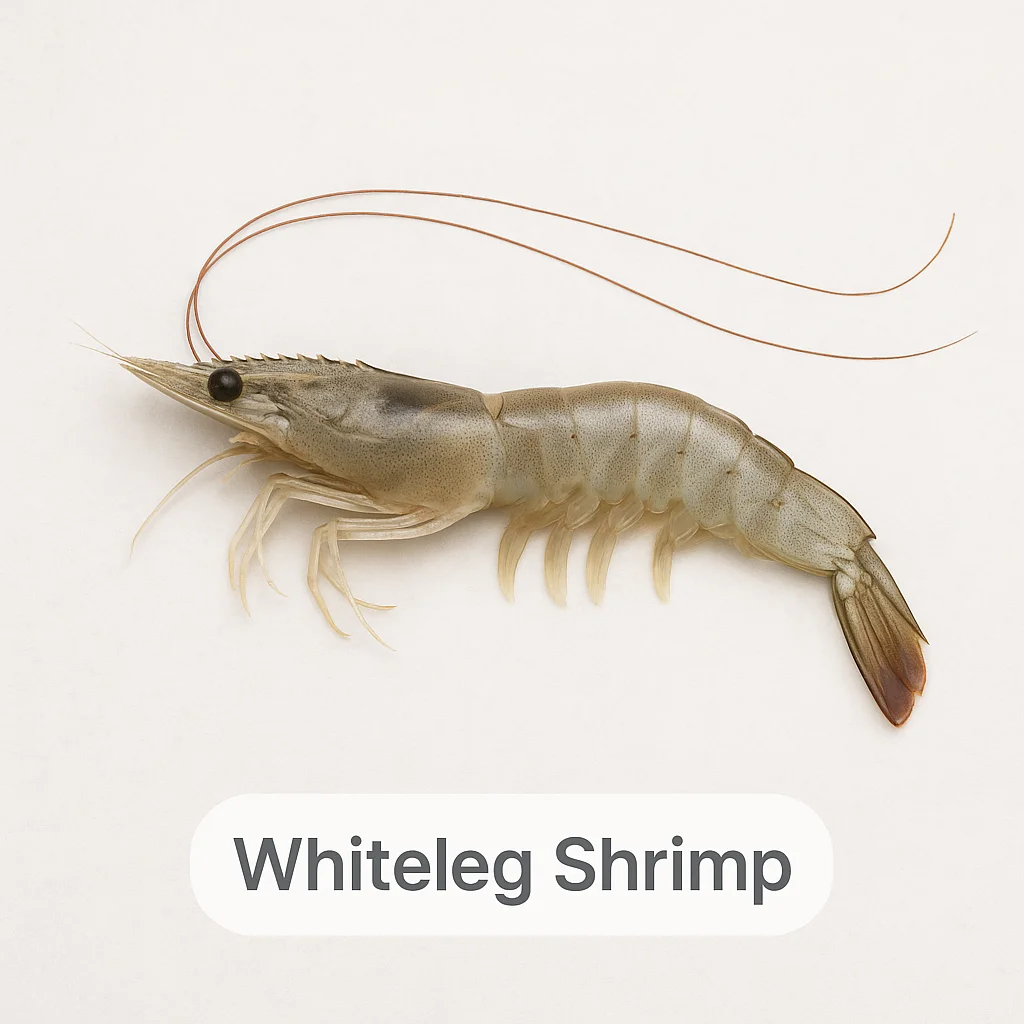
People eat whiteleg shrimp due to its tender texture and uncluttered taste, which serve as a perfect canvas for a wide range of dishes. Its prominence in seafood markets across continents highlights its versatility and accessibility, making it a key ingredient in a variety of global cuisines.
🐠 Taste & Texture
Whiteleg shrimp boasts a mild flavor that is slightly sweet with a touch of brininess, embodying the quintessential taste of shellfish without being overpowering. Its meat is firm yet succulent, providing a pleasant mouthfeel that holds up well in different cooking methods.
- Mildly sweet with a hint of saltiness
- Firm and slightly chewy texture
- Subtle ocean aroma when fresh
- White, translucent flesh that cooks to a pinkish hue
🌊 Origin & Habitat
Whiteleg shrimp naturally thrive in tropical and subtropical coastal waters, predominantly in the Eastern Pacific Ocean, spanning from Mexico to northern Peru. In terms of fisheries, both wild capture and aquaculture are common, with aquaculture being the larger sector due to sustainable and controlled growth environments. While farmed shrimp may have slight differences in taste and texture compared to their wild counterparts, the cultivation method ensures ample availability throughout the year, supporting global demand.
📅 Best Season
The concept of peak season generally relates to when seafood is at its most plentiful and flavorful, often corresponding with reproduction cycles and environmental factors that enhance quality. For farmed whiteleg shrimp, seasonality may vary by region, but they are typically available year-round due to controlled farming conditions. Wild-caught varieties might have more noticeable seasonal fluctuations.
🔪 Preparation
Preparing whiteleg shrimp involves a few straightforward steps to ensure they are clean and ready for cooking. Start by rinsing the shrimp under cold water to remove grit. Then, peel the shell away, either partially or completely, depending on your recipe. Use a sharp paring knife to make a shallow incision along the back of the shrimp to reveal the digestive vein, which should be gently removed.
- Rinse shrimp under cold water
- Peel away the shell
- Devein using a sharp knife
- Rinse again if necessary to ensure cleanliness
To handle any fishy odor, a brief soak in milk or a rinse with saltwater can help neutralize the scents without altering the shrimp’s natural flavor.
❄️ Storage Tips
Proper storage of whiteleg shrimp can significantly increase shelf life and maintain quality. Fresh shrimp should be kept in the coldest part of your refrigerator and consumed within two days. For longer storage, consider freezing. Remove as much air as possible from the storage bag to prevent freezer burn. Thaw frozen shrimp overnight in the refrigerator to retain texture and flavor.
- Do: Store in the coldest part of the fridge for short-term holding
- Don’t: Leave shrimp at room temperature for extended periods
- Do: Use airtight bags for freezing, removing excess air
- Don’t: Refreeze thawed shrimp
🍽️ Popular Dishes
Whiteleg shrimp's versatility makes it an excellent candidate for numerous culinary preparations worldwide. Here are several popular dish ideas:
- Grilled Shrimp Skewers: Complements a smoky grill flavor
- Shrimp Stir Fry: Quick-cooked with vegetables for a flavorful, light dish
- Creamy Shrimp Pasta: Enhances the shrimp’s natural sweetness
- Shrimp Tacos: Paired with tangy slaw and spicy sauce
- Shrimp Ceviche: Marinated with citrus; ensure shrimp is from a reliable source
- Tempura Shrimp: Fried in a light batter for a crunchy treat
- Shrimp Scampi: Sautéed in garlic and butter for a rich, decadent flavor
For raw preparations like ceviche, ensure that the shrimp used is sourced from a trusted supplier and handled with stringent safety standards to reduce the risk of foodborne illness.
🥗 Nutritional Benefits
Whiteleg shrimp provides a range of nutritional benefits, making it a nutritious addition to a balanced diet. These shrimp are an excellent source of lean protein, offering a low-fat option rich in essential amino acids. They also contain several vitamins and minerals beneficial to health.
- High in lean protein
- Contains essential vitamins such as B12 and E
- Rich in minerals like iodine and selenium
- Low in calories and carbohydrates
⚠️ Who Should Eat & Caution
While whiteleg shrimp can be a nutritious dietary component, certain individuals should exercise caution. Those with shellfish allergies should avoid consumption as shrimp are a common allergen. Additionally, there is a general recommendation for pregnant individuals and young children to be mindful of seafood choices due to mercury content concerns, even though shrimp tend to be low in mercury.
Undercooked or raw shrimp can pose parasite and bacterial risks, so it's important to handle and prepare shrimp safely, maintaining good kitchen hygiene and cooking shrimp to an opaque and pinkish color.
📌 Summary
Whiteleg shrimp offer a delectable, mild, and sweet taste coupled with a firm texture that suits various culinary applications. Suitable for grilling, cooking in pastas, or as the star of a seafood boil, these shrimp accommodate diverse flavors and cooking styles. Proper storage and safe handling go a long way in preserving their quality and minimizing health risks.
- Mildly sweet flavor, firm texture
- Year-round availability through aquaculture
- Crucial to store properly for maximum freshness
- Handle safely to avoid allergenic and bacterial concerns