🐟 Shrimp
Shrimp is a popular type of shellfish enjoyed globally for its delicate flavor and firm texture. This versatile seafood is often used in a variety of dishes, crossing culinary boundaries with ease. Found in both freshwater and saltwater, shrimp are typically small, with a size that can range from tiny to jumbo. Consumed alone or as part of complex dishes, shrimp is valued not only for its taste but also for its nutritional benefits and ease of preparation.
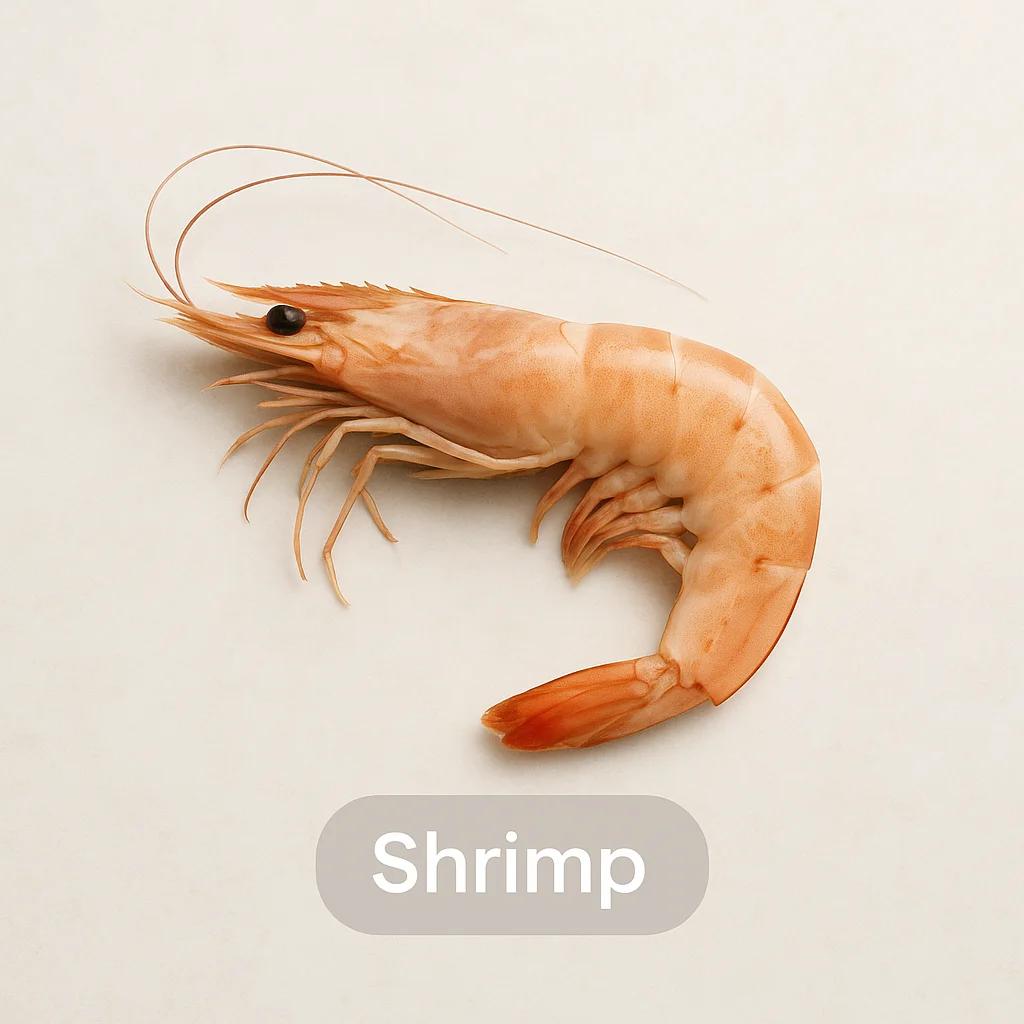
Many people choose to incorporate shrimp into their diets due to its rich protein content, low fat, and appealing taste. Known for its slightly sweet and briny flavor, shrimp can be an excellent addition to salads, pasta, curries, and more. Additionally, its quick cooking time makes it a favorite for those looking to prepare healthy and flavorful meals in a short span of time.
🐠 Taste & Texture
The taste of shrimp is often described as mildly sweet with a hint of saltiness. Its flavor is delicate, making it a perfect companion to a range of spices and sauces without overpowering them. Depending upon its preparation, shrimp can range from lean to slightly oily, with a firm yet tender mouthfeel that is both satisfying and light.
- Quick taste profile:
- Mildly sweet
- Delicate briny flavor
- Firm, tender texture
- Lean to slightly oily
- Fresh aroma reminiscent of the sea
🌊 Origin & Habitat
Shrimp is commonly found in both coastal and river environments, thriving in a variety of underwater habitats. Wild shrimp is caught in vast coastal areas, while farmed shrimp is cultivated in controlled aquaculture farms. The taste and texture can vary between wild-caught and farmed shrimp, with wild shrimp often being firmer due to more activity.
Globally, shrimp is harvested in regions such as Southeast Asia, the Gulf of Mexico, and parts of the Caribbean, making it widely available and a staple in many diets. Both wild and farmed shrimp have unique attributes that appeal to different culinary uses and consumer preferences.
📅 Best Season
The best season for shrimp often depends on the region and species. Wild shrimp typically have a peak season, where availability and quality are at their best due to optimal environmental conditions. During this time, shrimp may have higher fat content, contributing to a richer flavor and firmer texture. For farmed shrimp, seasonality can be less of an issue due to controlled environments. However, it is advisable to choose seasons and sources that offer the best quality and sustainability practices.
🔪 Preparation
Cleaning and preparing shrimp involves a few simple steps that maximize flavor and safety. Begin by rinsing the shrimp under cold water. Remove the shell, head, and legs if present; this can be done by gripping the legs and peeling the shell back. Use a small knife to make a shallow cut along the back and remove the vein, known as deveining. A quick rinse after deveining helps ensure cleanliness.
- Rinse shrimp under cold water
- Remove shell, head, and legs
- Devein by cutting along the back
- Rinse again after cleaning
To control odor while preparing shrimp, consider briefly soaking it in milk or a light saltwater solution. Rinsing shrimp after this step helps remove any residual fishiness.
❄️ Storage Tips
Shrimp should be stored in the refrigerator and consumed within two days for optimal flavor and safety. When storing, place the shrimp in an airtight container or wrap them tightly in plastic to prevent exposure to air. For longer storage, consider freezing.
To freeze shrimp, portion them into convenient amounts and remove as much air as possible from the packaging to prevent freezer burn. When ready to use, thaw shrimp safely in the refrigerator or under cold running water.
- Do keep shrimp cold and covered
- Do consume within two days when refrigerated
- Do remove air when freezing to prevent freezer burn
- Don't leave shrimp at room temperature for extended periods
🍽️ Popular Dishes
Shrimp's versatility lends itself to a plethora of delicious dishes from various culinary traditions. When grilled, shrimp takes on a smoky flavor, while pan-searing can create a crisp exterior. Stewing shrimp imparts its essence into broths and sauces, making it a staple in dishes like gumbo.
- Grilled shrimp – high heat enhances smokiness
- Shrimp stir-fry – quick and keeps texture firm
- Shrimp stew – slow cooking enriches broth
- Tempura shrimp – deep-fried for a crispy bite
- Steamed shrimp – gentle cooking retains moisture
- Shrimp ceviche – uses acidity; caution with raw dish
🥗 Nutritional Benefits
Shrimp is a nutritious addition to any diet, offering plentiful protein with minimal fat. It is also a good source of essential vitamins and minerals including selenium, vitamin B12, and iron. Shrimp may increasingly be recognized for its omega-3 fatty acid content, which contributes to overall health.
- High in protein
- Good source of vitamin B12
- Rich in selenium and iron
- Contains omega-3 fatty acids
⚠️ Who Should Eat & Caution
While shrimp is a healthy choice for many, individuals with shellfish allergies should avoid it as it can trigger allergic reactions. As with many seafood types, shrimp can contain trace amounts of mercury; those who are pregnant or nursing should consume shrimp in moderation and focus on responsible sourcing.
To minimize risks associated with raw or undercooked shrimp, ensure thorough cooking, and maintain good hygiene practices in the kitchen to prevent cross-contamination.
📌 Summary
Shrimp offers a unique combination of mild sweetness, versatile texture, and nutritional benefits, making it a favored seafood choice worldwide. Whether grilled, sautéed, or used in salads, shrimp enhances dishes with its distinct flavor profile and ease of preparation.
- Quick to prepare; ideal for busy cooks
- Rich nutrition, low in fat
- Wide culinary uses globally
- Store efficiently to maintain freshness
- Always cook thoroughly to ensure safety