🐟 River Shrimp
River shrimp, also known as freshwater prawns, are a popular type of shellfish enjoyed by many seafood enthusiasts worldwide. These small crustaceans are typically found in fresh or brackish waters and are appreciated for their delicate flavor and tender texture. River shrimp are often used in a variety of culinary dishes, making them a versatile ingredient in many different cuisines.
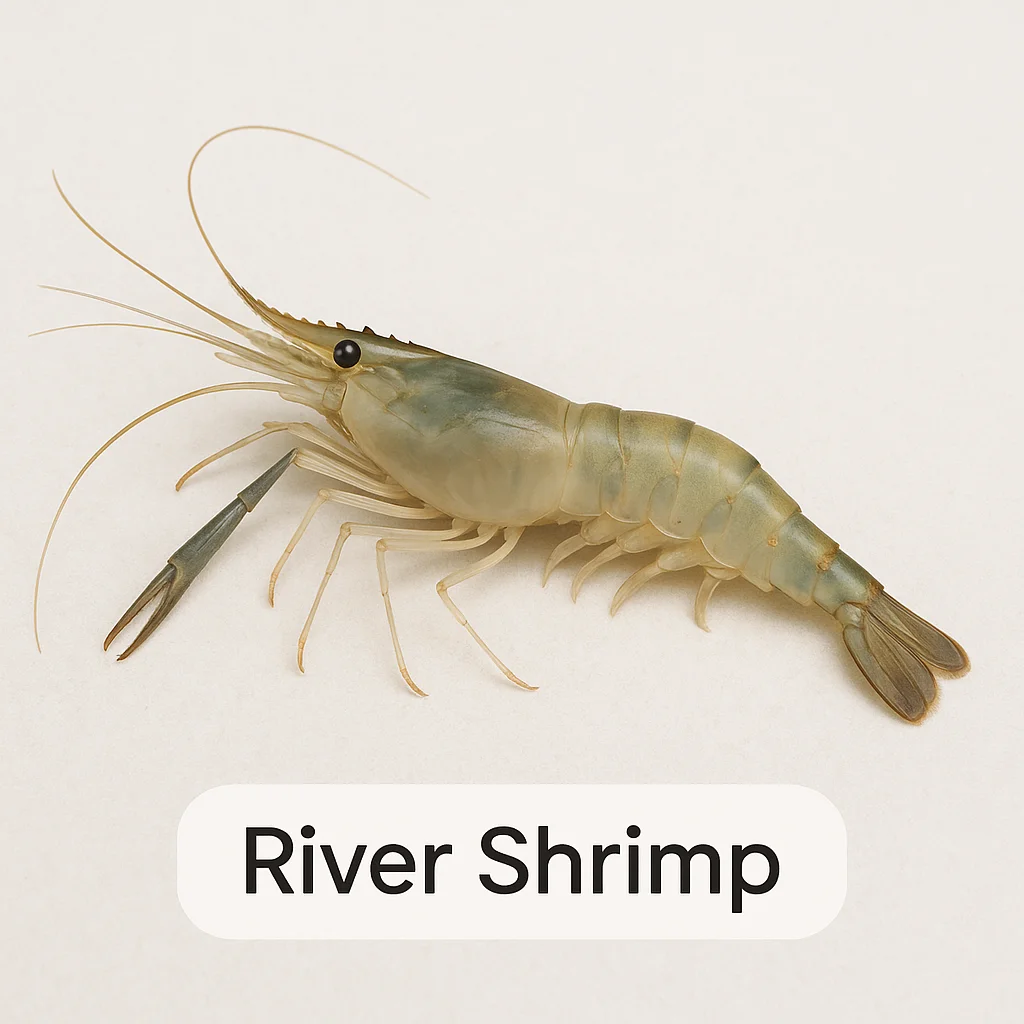
The appeal of river shrimp lies in their mildly sweet taste, which is complemented by a tender, almost creamy texture. They are a lean source of protein and are considered a healthy addition to the diet. Often confused with their saltwater counterparts, river shrimp can be distinguished by their distinct habitat and slightly different taste profile. Freshness is a key factor in enjoying river shrimp at their best, and there are several indicators to ensure you're selecting the highest quality product.
🐠 Taste & Texture
River shrimp are known for their subtle, sweet flavor that is less intense than many of their marine relatives. The sweetness is accompanied by a delicate, tender texture that is neither too firm nor too soft, offering a delightful mouthfeel. When fresh, river shrimp should emit a light, clean scent reminiscent of the river environments from which they come.
- Quick taste profile:
- Subtle sweetness
- Mild saltiness
- Lean texture
- Delicate mouthfeel
- Fresh, clean smell
🌊 Origin & Habitat
River shrimp are primarily found in freshwater environments such as rivers, streams, and certain types of lakes. They thrive in warm, tropical climates and are often harvested from regions in Southeast Asia, Central America, and parts of Africa. While wild river shrimp are prevalent, there is also significant farming to meet market demand. The taste and texture can vary slightly between wild-caught and farmed, with some purists favoring the unique flavors imparted by a wild habitat.
📅 Best Season
The peak season for river shrimp can depend on geographical location, as their availability and quality can be influenced by local climate and breeding cycles. Generally speaking, the seasonality of river shrimp often varies by region, but many areas see the highest quality catches from late spring through early autumn. Eating river shrimp during their peak season can enhance the flavor profile and texture while often providing better pricing for seafood lovers.
🔪 Preparation
Preparing river shrimp involves a few basic steps to ensure they are both clean and safe to eat. Begin by rinsing the shrimp under cool water to remove any debris. Remove the shell by grasping the legs and peeling away from the body. If the shrimp are large, consider deveining them for a cleaner appearance. A soak in milk or a quick rinse with salt water can help neutralize any lingering odors.
- Beginner Preparation Checklist:
- Rinse thoroughly under cool water
- Remove shell and legs
- Devein (optional)
- Rinse with salted or milked water for odor control
❄️ Storage Tips
For fresh river shrimp, store them in the refrigerator and consume within two days for optimal quality. If you need longer storage, freezing is an excellent option. Place the shrimp in airtight packaging, ensuring as much air is removed as possible to prevent freezer burn. When ready to use, thaw the shrimp safely in the fridge overnight to maintain texture and flavor.
- Do:
- Store in airtight containers
- Use cool water rinses
- Thaw in refrigerator
- Don’t:
- Leave at room temperature long
- Refreeze after thawing
🍽️ Popular Dishes
River shrimp are an adaptable ingredient featured in a broad array of dishes. Grill them with a dash of lime for a light, refreshing meal that accentuates their sweetness. Alternatively, a gentle stir fry highlights their tender texture. Fried river shrimp offers a delightful crunch with a juicy interior, while baking yields a mellower taste. Steamed shrimp retain much of their natural flavor, suitable for salads or cold dishes. River shrimp are also a popular choice in traditional stews and curries across various cultures. For adventurous eaters, ceviche-style preparations can offer a fresh, zesty way to enjoy them, though ensure high-quality sourcing to prevent illness from raw consumption.
🥗 Nutritional Benefits
River shrimp are not only delicious but also packed with nutrients. They are an excellent source of lean protein, making them a perfect addition to a balanced diet. While not as high in omega-3 fatty acids as some fish, river shrimp still offer beneficial minerals and vitamins. These include vitamin B12 for energy, selenium for antioxidant properties, and iodine, which supports thyroid function.
- Notable Nutrients:
- High protein content
- Vitamin B12
- Selenium
- Iodine
⚠️ Who Should Eat & Caution
As delicious as river shrimp are, they do pose certain allergy risks common to shellfish. Individuals with seafood allergies should avoid river shrimp to prevent adverse reactions. Additionally, while river shrimp are generally low in mercury, consumption should be moderated, especially for pregnant individuals and young children. Safe handling practices are essential to minimize the risk of foodborne illness, making thorough cooking and cross-contamination prevention key factors in preparation.
📌 Summary
River shrimp are a versatile and nutritious shellfish with a mild, sweet flavor and tender texture. They can be used in a variety of dishes that celebrate their delicate taste. From grilling to steaming, each preparation method brings out a different aspect of these delightful crustaceans. Remember to choose fresh, responsibly sourced shrimp, and adhere to storage guidelines to maintain quality.
- Key Takeaways:
- Delicious mild flavor, versatile culinary uses
- Store properly in refrigerator or freezer
- Monitor for shellfish allergies
- Cook thoroughly for food safety