🐟 Krill
Krill are small crustaceans found abundantly in the world’s oceans. They are a significant part of marine ecosystems, serving as a primary food source for many animals, including whales, seals, and penguins. These tiny creatures are becoming increasingly popular for human consumption due to their high nutritional value and the important role they play in oceanic food webs. Often sold as whole or in oil form, krill can offer both environmental and health benefits. People consume krill for their rich omega-3 fatty acids, which are essential for maintaining heart health.
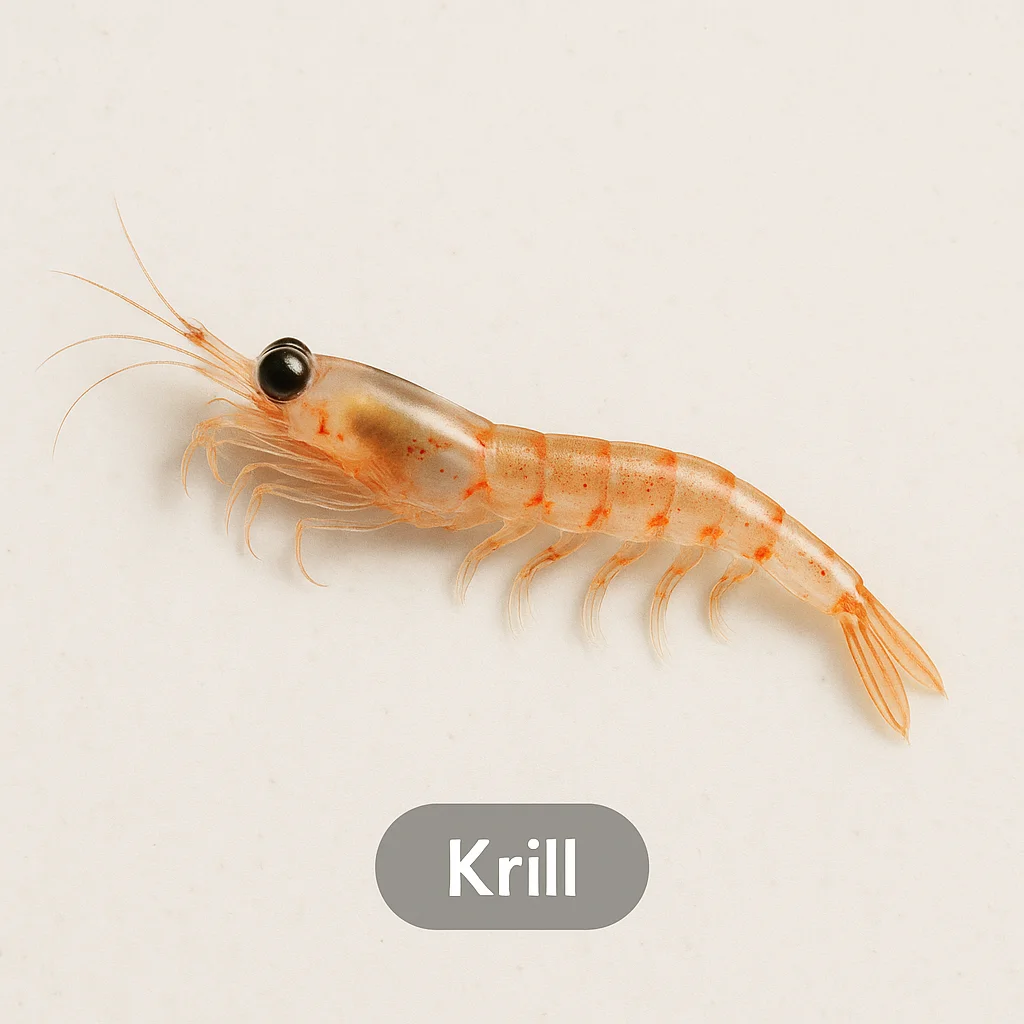
The harvesting of krill is primarily done in the Southern Ocean, where they are found in massive swarms. It's important to understand that while krill are noted for their health benefits, always choosing responsibly sourced krill can help maintain the delicate balance of marine life.
🐠 Taste & Texture
Krill has a delicate taste, often described as mildly sweet with a hint of oceanic saltiness. Unlike the strong flavors of some other seafood, krill's taste is subtle and complements a wide variety of dishes. They are considered lean, providing a light and tender mouthfeel, with a texture that is often compared to a slightly softer shrimp.
- Flavor: Mild, slightly sweet, and oceanic
- Texture: Tender and light
- Smell: Fresh krill should have a clean, briny scent
🌊 Origin & Habitat
Krill predominantly live in cold oceanic waters, particularly in the Southern Ocean surrounding Antarctica. They can also be found in varying amounts in the North Pacific and North Atlantic. Krill are wild-caught rather than farmed, which can contribute to their flavor profile as they feed on a natural diet of phytoplankton.
Their abundance in the wild, particularly in the Antarctic regions, makes these tiny crustaceans a sustainable choice when responsibly harvested, supporting diverse ecosystems and conserving marine biodiversity.
📅 Best Season
The best season for krill often coincides with the Southern Hemisphere's late summer months when the krill are most active and abundant. However, seasonality varies by region, with some parts of the Northern Hemisphere experiencing peak krill activity at different times. During peak seasons, krill tend to be more plentiful, which may influence their availability and suitability for human consumption due to their enhanced fat reserves.
🔪 Preparation
Preparing krill is a straightforward process due to their small size. If using whole krill, ensure they are properly cleaned and rinsed before cooking. Given their delicate nature, handling should be gentle to prevent damage. For kitchen safety, using clean tools and practicing careful cross-contamination prevention is important.
- Rinse thoroughly under cold water
- If necessary, remove any visible impurities
- Ensure workspace and tools are clean
To control odors when preparing krill, consider a quick rinse in cold water with a pinch of salt or a brief soak in milk to neutralize any strong smells without altering the natural flavor.
❄️ Storage Tips
To maintain krill's freshness, aim to consume them shortly after purchase. When storing in the refrigerator, keep them in an airtight container, and plan to use them within two days. If longer storage is needed, freezing is an option. Pre-portion krill into sealed bags or containers, removing as much air as possible to prevent freezer burn. When ready to use, thaw them slowly in the refrigerator for the best texture and flavor.
- Do: Store in airtight containers in the fridge or freezer
- Don't: Leave at room temperature for extended periods
🍽️ Popular Dishes
Krill can be incorporated into a variety of dishes, offering versatility across different cuisines. Here are some popular ways to enjoy krill:
- Salads: Toss with fresh greens and a light vinaigrette
- Stir-fries: Add to vegetable medleys for a quick entrée
- Soups: Incorporate into a seafood chowder or bisque
- Paella: Mix into Spanish rice dishes alongside other seafood
- Grilled: Lightly grill with lemon and herbs
- Risotto: Stir into creamy rice for added texture and protein
For any dishes incorporating raw krill, it is crucial to ensure that the krill is sourced from safe suppliers to minimize the risk of foodborne illness.
🥗 Nutritional Benefits
Krill are rich in nutrients, making them a healthy choice for those looking to boost their intake of essential vitamins and minerals. They are particularly valued for their high levels of omega-3 fatty acids, which are important for cardiovascular health. Krill also provide a good source of protein, essential for muscle repair and growth.
- Omega-3 fatty acids
- Rich in protein
- Contains essential vitamins and minerals like B12 and iodine
⚠️ Who Should Eat & Caution
As with all shellfish, krill can trigger allergic reactions in some individuals. Those with shellfish allergies should exercise caution and avoid consuming krill. Pregnant women, nursing mothers, and young children are advised to consult a healthcare provider before consuming krill due to varying mercury levels in seafood.
Ensuring krill are properly handled and cooked reduces the risk of foodborne illness. Following general food safety guidelines such as washing hands and surfaces thoroughly is essential.
📌 Summary
Krill offers a mild, sweet flavor and a tender texture, providing versatility in various dishes ranging from salads to soups. Proper storage and handling are crucial to maintaining their quality, and their high nutrient content makes them a valuable seafood option. Remember to choose sustainably sourced krill to support environmental health.
- Mild, sweet taste
- Rich in omega-3 and protein
- Store in the fridge or freezer in sealed containers
- Check for sustainable sourcing labels