🐟 Ghost Crab
The Ghost Crab, known for its elusive nature and pale coloration, is a species that captivates seafood lovers around the world. Commonly found along tropical and subtropical beaches, these crabs are not just a fascinating sight but also a culinary delight. Ghost Crabs are often enjoyed by those who appreciate the delicate, sweet taste of crab meat. While they might not be as well-known as other crab varieties, they offer a unique flavor profile that can enhance a range of dishes.
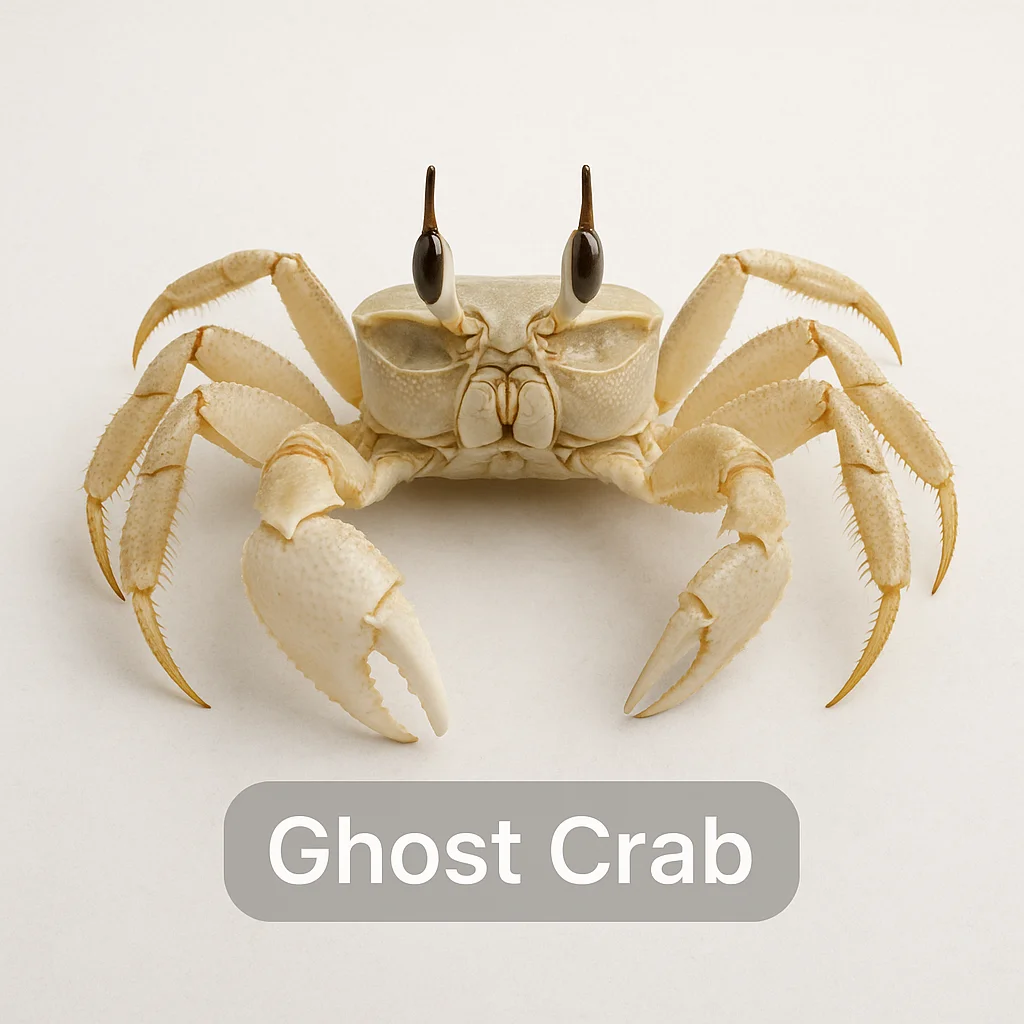
Ghost Crabs are sometimes referred to as sand crabs or shore crabs due to their habitat. As a lean seafood option, they provide a high-protein alternative to fattier meats, making them a desirable choice for health-conscious individuals. For those seeking a new type of seafood experience, the Ghost Crab offers both taste and intrigue.
🐠 Taste & Texture
The meat of the Ghost Crab is subtly sweet with a mild, slightly salty flavor. It is less oily than some other seafood options, boasting a lean quality that many find appealing. The texture is tender yet firm, providing a pleasing bite, and the crab meat is flakey, a characteristic that seafood enthusiasts often seek. When fresh, Ghost Crabs have a clean, oceanic smell with no hint of fishiness, signaling their high quality.
- Mild and subtly sweet flavor
- Firm, tender texture with a flaky bite
- Lean meat with a clean oceanic aroma
🌊 Origin & Habitat
Ghost Crabs are predominantly found in coastal waters along tropical and subtropical beaches. They thrive in sandy areas where they can easily camouflage themselves. Unlike some other crabs, Ghost Crabs are primarily wild-caught, as their habitat makes farming impractical. The wild-caught nature of these crabs contributes to their unique taste, reflecting the diverse environments they inhabit. They are commonly harvested in regions like Southeast Asia, the southern coasts of the United States, and parts of the Caribbean.
📅 Best Season
The seasonality of Ghost Crabs varies by region due to differences in local climate and breeding cycles. Generally, the best time to enjoy these crabs is during the warmer months when they are more active and abundant. Typically, this is the period when their flavor and texture are at their peak, and prices may be more favorable. For those interested in the freshest catch, checking with local fisheries can provide guidance on the best time to purchase Ghost Crabs in your area.
🔪 Preparation
Preparing Ghost Crabs involves a few key steps to ensure the best quality and taste. Start by rinsing the crabs thoroughly to remove any sand or debris. Cleaning is essential and may involve removing the gills and other non-edible parts. Pruning any tough spots with a sharp knife can be helpful. Since crabs can sometimes have a strong odor, soaking them in a milk or light salt solution briefly can help mitigate unwanted smells.
- Rinse thoroughly to remove sand
- Remove gills and non-edible parts
- Trim tough spots with a sharp knife
Controlling odor is a key consideration in preparation. If needed, a quick soak in a milk bath can neutralize unwanted smells without affecting the delicate flavor of the meat.
❄️ Storage Tips
To keep Ghost Crabs fresh, it's important to store them properly. In the fridge, Ghost Crab meat can be kept for up to two days in airtight packaging. For longer storage, freezing is recommended. When freezing, divide the meat into portions, remove as much air as possible from the packaging, and use freezer-specific bags to prevent freezer burn. Thawing should be done slowly in the refrigerator to maintain texture and flavor.
- Do store in airtight containers to prevent drying
- Do freeze in individual portions to avoid freezer burn
- Don’t leave in the fridge for more than two days
- Don’t thaw at room temperature to prevent bacterial growth
🍽️ Popular Dishes
Ghost Crabs can be prepared in a variety of culinary styles. Grilled Ghost Crab is a popular choice, as the high heat caramelizes the sweet meat, enhancing its natural flavors. Another method is steaming, which preserves moisture and tenderness, ideal for those who love a softer texture. Crab stew, incorporating spices and vegetables, provides a comforting dish with well-rounded flavors. For a light and crisp option, try fried Ghost Crab, offering crunchy texture contrasts.
In certain cultures, Ghost Crab is used in ceviche-style preparations, though caution is advised to ensure all safety aspects are considered to avoid any health risks. Its lean meat also makes it suitable for crab salads, showcasing its pure taste without heavy sauces. Last but not least, baked Ghost Crab with herbs and garlic appeals to those who appreciate aromatic infusions.
🥗 Nutritional Benefits
Ghost Crabs are a healthy source of protein, offering a lean alternative to other meats. They contain essential vitamins and minerals like vitamin B12, selenium, and zinc, all of which contribute to overall health. Omega-3 fatty acids present in crabs are beneficial for heart health, though it's important to enjoy them in moderation as part of a balanced diet.
- Rich in high-quality protein
- Contains essential vitamins such as B12
- Source of omega-3 fatty acids
- Low in fat, making it a heart-friendly choice
⚠️ Who Should Eat & Caution
Ghost Crabs are considered shellfish, so they may pose allergy risks for individuals sensitive to shellfish. It is important to be mindful of cross-contact in kitchens to prevent allergic reactions. As with any seafood, Ghost Crabs can contain mercury, although at lower levels compared to larger fish. Pregnant individuals and young children should consume them with caution and seek advice from healthcare providers if concerns arise.
Raw or undercooked crab carries the risk of foodborne illness; therefore, ensuring thorough cooking is critical. Safe handling practices, such as washing hands, using separate cutting boards, and cleaning tools diligently, are important to avoid cross-contamination.
📌 Summary
The Ghost Crab offers a unique seafood experience with its sweet, tender meat and subtle flavors. Best enjoyed fresh and in season, these crabs provide a lean, nutritious option ideal in various culinary applications. Proper storage and handling are key to maintaining quality and safety.
- Mildly sweet and firm meat, perfect for seafood lovers
- Sensitive to storage conditions for optimal freshness
- Versatile in preparation, from grilling to steaming