🐟 Seaweed
Seaweed refers to a diverse group of marine algae that grow in the ocean and along coastal areas. It has been a part of human diets for centuries, particularly in Asian cuisine, where it is appreciated for its nutritional benefits and distinct umami flavor. People consume seaweed in various forms, such as fresh, dried, or as an ingredient in snacks and supplements. Its versatility and rich nutrient profile make it an appealing food choice for health-conscious individuals worldwide.
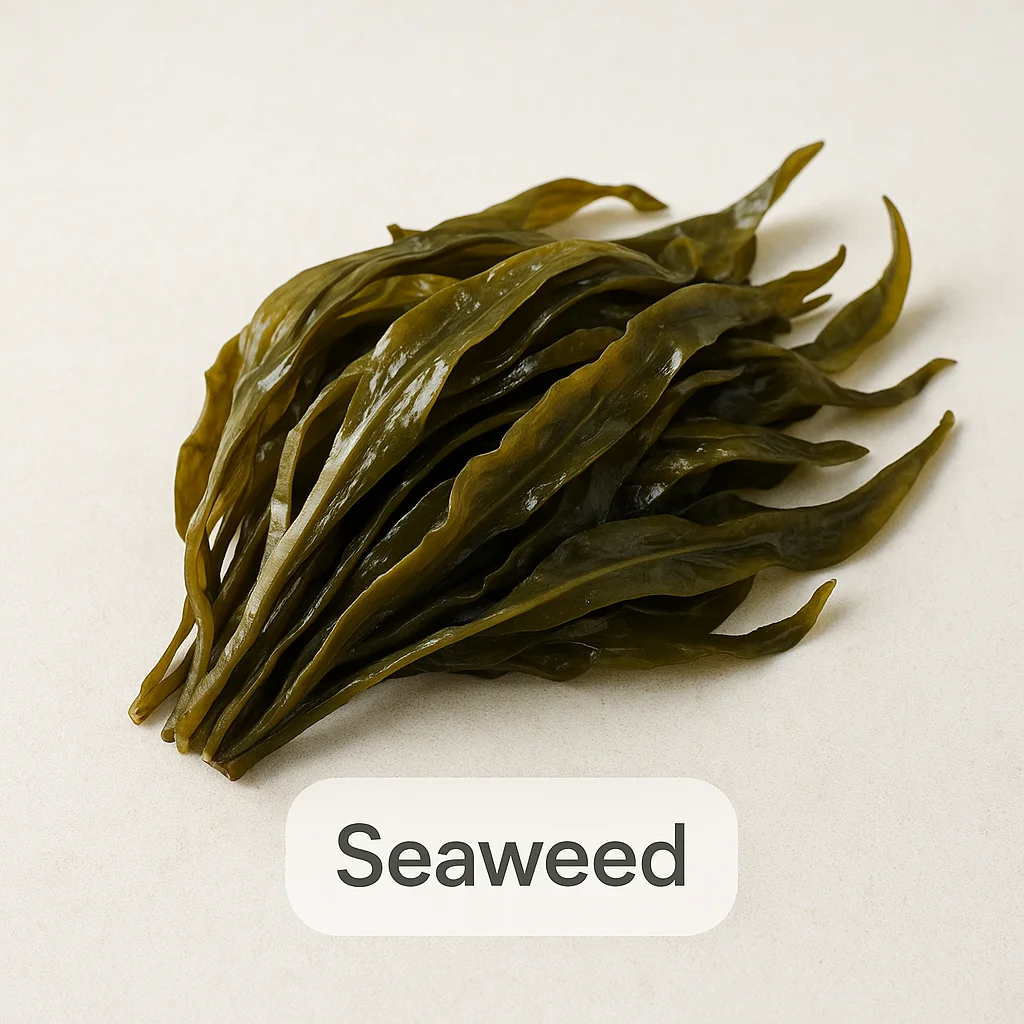
As a sustainable and renewable resource, seaweed can be an excellent dietary addition. Often used in sushi, soups, and salads, it can enhance the flavor and nutritional content of many dishes. With a variety of types, including nori, kombu, wakame, and dulse, each offers unique textures and flavors, contributing to global culinary diversity.
🐠 Taste & Texture
Seaweed has a naturally salty and slightly sweet taste, often described as umami, which enhances the flavor profile of many dishes. Its texture ranges from soft and pliable to crunchy, depending on the type and preparation method. Fresh seaweed typically has a clean, oceanic aroma, free from any overpowering fishy smell.
- Umami-rich flavor
- Soft, chewy to crispy texture
- Fresh, oceanic aroma
- Slight natural saltiness
🌊 Origin & Habitat
Seaweed thrives in coastal waters, including the intertidal zones where it is easily harvested. Some species flourish in deeper waters, attached to rocky substrates. While the majority of seaweed is wild-harvested, there are sustainable farming operations which cultivate seaweed in controlled environments for consistent quality. Typical regions for seaweed harvesting include parts of Asia, Northern Europe, and both North and South America.
📅 Best Season
The best season for seaweed depends largely on the specific type and regional conditions but generally peaks in the spring and autumn months. During these seasons, seaweed tends to have optimal texture and flavor, as well as higher nutrient content. However, seasonality varies by region, and consumers might find certain types of seaweed available year-round, especially when cultivated.
🔪 Preparation
Preparing seaweed, particularly when it's fresh, involves a few simple steps to ensure it is clean and ready for consumption. First, rinse the seaweed to remove debris and excess salt. For dried varieties, soaking in water until rehydrated is key, often followed by a brief blanching to enhance tenderness. Cutting seaweed into manageable pieces is usually done with a sharp knife, ensuring safety and precision.
- Rinse thoroughly to remove debris
- Soak dried seaweed to rehydrate
- Blanch if needed
- Trim or cut to desired size
To manage seaweed's distinct smell, a quick rinse or soak in light saltwater can minimize its intensity without affecting flavor.
❄️ Storage Tips
For fresh seaweed, it's best kept in the refrigerator in a breathable container and consumed within a couple of days. Dried seaweed should be stored in airtight containers, away from moisture, to maintain its quality. When freezing seaweed, wrap it tightly to eliminate air exposure and prevent freezer burn. Thaw carefully in the fridge to preserve its texture.
- Do store fresh seaweed in the fridge
- Do keep dried seaweed dry
- Don’t expose to direct sunlight
- Don’t freeze without proper wrapping
🍽️ Popular Dishes
Seaweed is an adaptable ingredient found in a range of delicious dishes. Nori sheets are commonly used in sushi for their savory, umami flavor. Miso soup often includes kombu or wakame for depth of flavor. Salads can showcase seaweed’s crunchy texture, while seaweed snacks offer a crispy, flavorful bite. Stir-fries, stews, and smoothies can also feature seaweed for an added nutritional boost. For raw dishes, always source high-quality seaweed and follow safe handling procedures.
🥗 Nutritional Benefits
Seaweed is celebrated for its rich nutritional profile, providing essential vitamins and minerals. It's a good source of iodine, necessary for thyroid function, and offers a variety of antioxidants, vitamins A, C, E, and K, as well as calcium and magnesium. Seaweed can be incorporated into a balanced diet to contribute to overall health without making heavy disease-treatment claims.
- Rich in iodine
- High in antioxidants
- Contains essential vitamins and minerals
⚠️ Who Should Eat & Caution
While seaweed can be a nutritious addition to the diet, it can pose allergy risks similar to other seafood. Those with shellfish or particular seafood allergies should approach with caution. Awareness of iodine levels is essential, particularly for individuals with thyroid conditions, as excessive iodine can be harmful. Pregnant people and children should manage intake cautiously due to varying mercury levels found in certain seaweed varieties. Always ensure proper handling and preparation to avoid contamination risks.
📌 Summary
Seaweed offers a distinct umami flavor with various textures, making it a culinary asset in many global dishes. Its nutritional benefits and sustainable production make it an appealing choice for health enthusiasts. Proper storage and preparation are key to enjoying seaweed safely and effectively.
- Umami flavor and nutritional benefits
- Varied textures enhance dishes
- Store properly to maintain freshness
- Be cautious of allergens and iodine content