🐟 Laver
Laver is a type of edible seaweed, widely cherished for its unique flavors and nutritious qualities. Often associated with the culinary traditions of Wales and other regions, Laver is recognized by its dark, almost black appearance, and its thin, sheet-like texture. This versatile seaweed is enjoyed worldwide, known by names such as "nori" in Japan and "kim" in Korea, where it is often dried and used in various dishes. People consume Laver for its distinctive taste, which adds a hint of the ocean to dishes, and for the potential health benefits associated with its nutrient-rich profile.
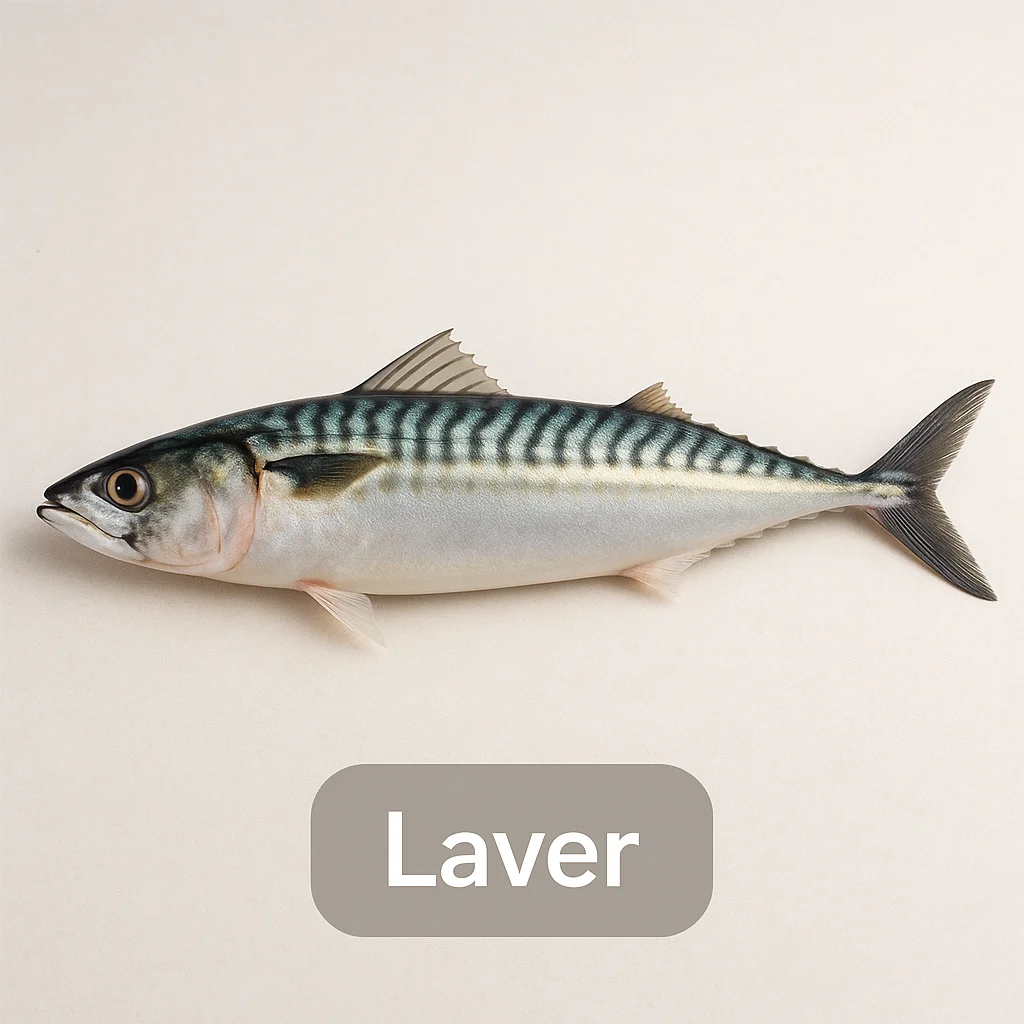
Laver is appreciated in various culinary styles, from savory breakfasts to sophisticated gourmet dishes. Its ability to absorb flavors makes it popular in both simple and complex meals. With its appealing texture and broad culinary applications, Laver remains a favorite for many who enjoy exploring diverse and nutritious food options from the sea.
🐠 Taste & Texture
Laver has a pronounced marine flavor, often described as umami-rich with oceanic notes. Its taste can vary from mildly sweet to distinctly salty, depending on its preparation and the sea conditions where it was harvested. The texture of Laver ranges from supple when moist, to crisp after being dried or roasted. Fresh Laver carries a subtle earthy aroma that is reminiscent of the sea breeze.
- Quick Taste Profile:
- Intensity: Umami-rich, oceanic
- Sweetness: Mild
- Saltiness: Varies
- Mouthfeel: Supple to crisp
- Smell: Fresh sea scent
🌊 Origin & Habitat
Laver thrives in coastal regions where it grows attached to rocks in intertidal zones. It is often found in both wild and cultivated forms. Wild Laver is generally harvested from shallow waters along rocky coastlines, while farmed varieties may be cultivated in controlled environments to ensure consistent quality and availability. Laver can be found in abundance across parts of the Atlantic and Pacific Oceans, with notable presence in countries like the UK, Japan, and Korea. Each growing region imparts subtle differences in taste and quality.
📅 Best Season
The best season for Laver varies by region and largely depends on the local climate and water conditions. Typically, Laver is harvested from late autumn to early spring when it is at its peak nutritional quality and flavor. During this time, the seaweed is more robust and flavorful, often translating to better texture and taste in culinary uses. Prices and availability may fluctuate with these seasonal variations.
🔪 Preparation
Preparing Laver is a straightforward process, perfect for beginners and seasoned cooks alike. Start by thoroughly rinsing the seaweed to remove any sand or debris. If using fresh Laver, you may need to blanch it briefly to remove excess salt and enhance its texture. For dried Laver sheets, a quick toast over heat can amplify their flavor and improve crispness.
- Rinse thoroughly to eliminate sand
- Blanch fresh Laver to remove salt
- Toast dried Laver sheets lightly
- Use on a clean surface to avoid cross-contamination
- Wash hands and tools after handling raw seafood
To control the strong odor some find unappealing, soaking Laver briefly in milk can neutralize this scent. Alternatively, a quick rinse or cooking with aromatic ingredients can also help balance the aroma without overpowering its natural flavors.
❄️ Storage Tips
Proper storage of Laver helps maintain its freshness and quality. Store fresh Laver in the fridge, ideally in a container with damp cloths to keep it moist for up to two weeks. Dried Laver should be kept in an airtight container to prevent moisture and retain its crispness. Freezing Laver is also an option; ensure it is well-sealed in vacuum bags to avoid freezer burn.
- Do:
- Keep fresh Laver damp in the fridge
- Use airtight containers for dried Laver
- Seal properly to prevent freezer burn
- Don't:
- Expose Laver to direct sunlight
- Allow moisture in storage for dried Laver
For best results, thaw frozen Laver gradually in the refrigerator to conserve its texture and flavor before use.
🍽️ Popular Dishes
Laver is celebrated in a variety of dishes worldwide. From the classic Welsh “Laverbread” to Japanese sushi rolls, its uses are extensive and varied. Here are some popular ways to enjoy Laver:
- Laverbread: Traditional Welsh dish made by cooking Laver with oatmeal, often served at breakfast.
- Sushi Rolls: Nori-wrapped sushi highlighting Laver’s texture and taste.
- Gimbap: Korean rolls using grilled Laver, filled with rice and vegetables.
- Laver Soup: A comforting soup featuring Laver, often combined with tofu and seasoned broth.
- Salads: Crispy dried Laver adds a flavorful crunch to vibrant salads.
- Laver Chips: Lightly seasoned and baked, perfect as a healthy snack.
- Tempura: Laver dipped in batter and fried until golden, offering a unique texture.
While Laver can safely be eaten raw, it’s essential to source it from reputable suppliers to minimize the risk of contamination.
🥗 Nutritional Benefits
Laver is a nutritional powerhouse, offering a rich source of vitamins and minerals while being low in calories. It is particularly valued for its supply of iodine and B vitamins, crucial for maintaining a healthy metabolism and energy levels.
- Notable Nutrients:
- High in protein
- Rich in iodine
- Contains essential B vitamins
- Source of iron and calcium
These nutrients contribute to its reputation as a beneficial addition to a balanced diet, though moderation is advised to manage iodine intake appropriately.
⚠️ Who Should Eat & Caution
While Laver provides numerous health benefits, individuals with seafood allergies should approach it cautiously. Those with allergies to shellfish or fish should be aware of potential cross-contamination in production or cooking environments. Additionally, high iodine content means pregnant people and those with thyroid concerns should monitor consumption carefully.
Consumption of undercooked seaweed can carry risks similar to those of raw seafood. Practicing proper handling and preparation techniques, including washing hands and utensils, can help mitigate potential hazards. To enjoy Laver safely, always ensure it is sourced from a reliable supplier.
📌 Summary
Laver offers an enticing flavor profile and a wealth of nutritional benefits, making it a desirable choice for many culinary creations. From traditional dishes like Laverbread to international staples such as sushi, its versatility in the kitchen is unparalleled. Proper storage and safe handling are key to enjoying Laver at its best, maintaining both taste and quality over time.
- Key Takeaways:
- Distinct flavor with oceanic notes
- Best used fresh or crispy in various dishes
- High in iodine and B vitamins
- Store properly to maintain texture and taste
- Ensure safe handling to avoid contamination