🐟 Hijiki
Hijiki is a type of edible seaweed predominantly found in the waters surrounding Japan. Known for its unique look and taste, hijiki is a staple in Japanese cuisine, often incorporated into salads, soups, and rice dishes. The seaweed appears dark brown to black when dried, turning a lush green when cooked, and is valued for its nutritional content and distinctive flavor profile. People consume hijiki for its health benefits, robust umami flavor, and versatile cooking applications. Its mineral-rich composition makes it a sought-after ingredient among health enthusiasts worldwide.
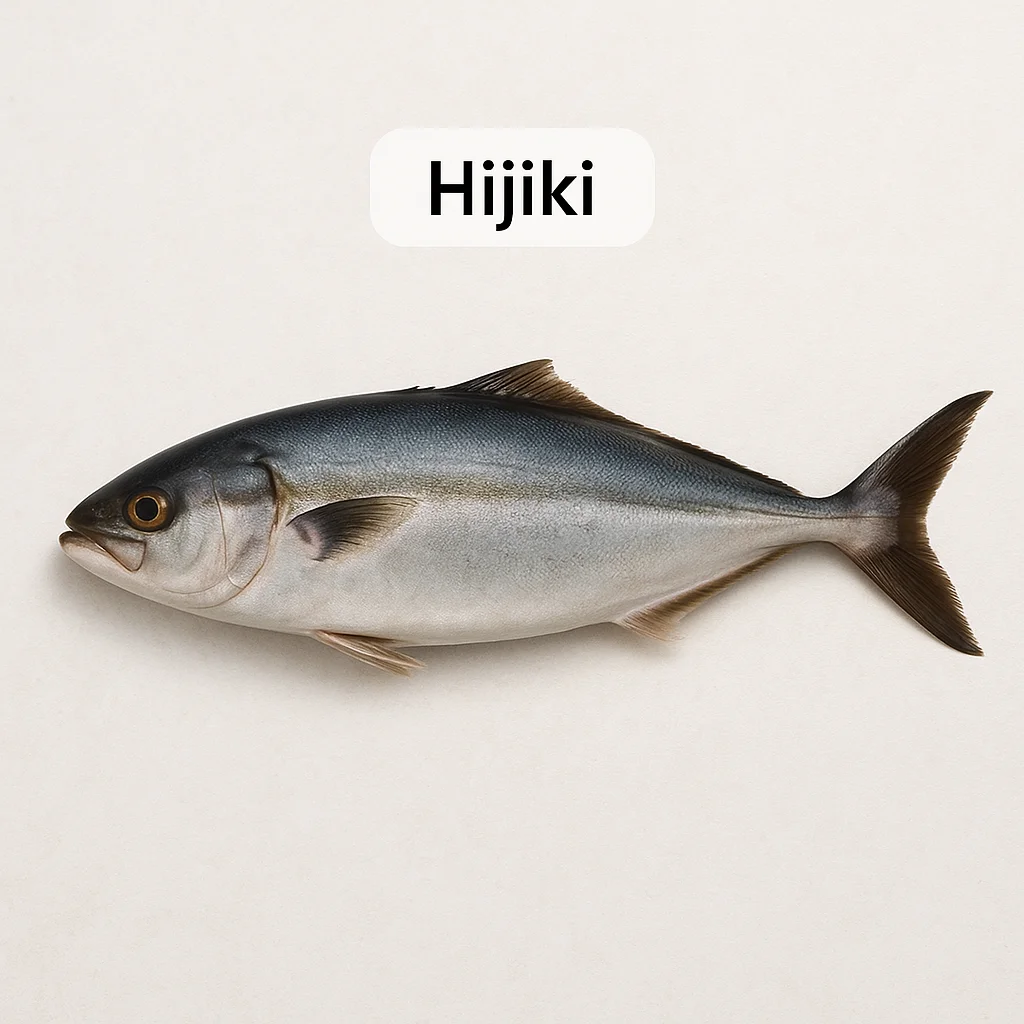
In its natural habitat, hijiki attaches itself to rocky coastlines, forming dense underwater mats. It is harvested and processed to create a dried product that is used in various culinary traditions. Although it might not be as familiar as other seaweed varieties like nori or wakame to those outside Japan, hijiki offers an intriguing addition to any diet, providing both texture and depth of flavor to a variety of dishes.
🐠 Taste & Texture
Hijiki is characterized by its subtle, earthy flavor with a hint of sweetness. The texture is firm and slightly chewy, providing a satisfying contrast in many dishes. Its taste can be described as mildly oceanic, enriched with the umami characteristic of many sea vegetables. When fresh, hijiki has a clean, briny aroma reminiscent of the sea, making it appealing to both cooked and raw preparations.
- Flavor Intensity: Mild to moderate
- Sweetness/Umami: Balanced with earthy undertones
- Texture: Firm and chewy
- Aroma: Briny and fresh
🌊 Origin & Habitat
Hijiki is typically found along the rocky coastlines of the western Pacific Ocean, especially around Japan, Korea, and China. The seaweed grows in shallow coastal waters, attaching itself to rocks or other marine structures. Hijiki is generally harvested from wild sources due to the particular habitat it requires to thrive, which currently makes it less suitable for traditional large-scale aquaculture operations.
Regions such as Japan prominently feature hijiki in their culinary practices, emphasizing its nutritional benefits and its ability to enhance a variety of dishes with its distinctive texture and flavor.
📅 Best Season
The seasonality of hijiki varies geographically, with peak harvests generally occurring in spring and early summer. Seasonality matters because the flavor and nutrient content can be more pronounced when hijiki is harvested at its peak. Consequently, purchasing hijiki during these times can often result in a better-tasting and more flavorful product. However, since it is available dried, hijiki can be purchased throughout the year.
🔪 Preparation
Preparing hijiki involves a relatively simple process, as it is typically sold dried. It requires soaking in water before use to rehydrate and expand the seaweed, which restores its natural texture and appearance. Once rehydrated, hijiki can be further processed by lightly rinsing to remove any residual sand or sea particles.
- Soak hijiki in cold water for about 20-30 minutes.
- Rinse thoroughly with cold water to remove any grit.
- Drain and squeeze out excess water before cooking.
Hijiki's natural aroma can be managed by soaking it in milk or a light saline solution if desired, although a quick rinse before preparation usually suffices for most cooking purposes.
❄️ Storage Tips
For optimal freshness, hijiki should be stored in a cool, dry place when in its dried form. Once rehydrated, any unused portions should be placed in an airtight container and stored in the refrigerator, where it can be kept for up to a week.
- Do keep dried hijiki in a cool, dry place.
- Do store rehydrated hijiki in an airtight container in the refrigerator.
- Don’t leave rehydrated hijiki at room temperature for extended periods.
- Don’t freeze hijiki, as it can compromise texture and flavor.
Freezing hijiki is not recommended as it can alter its texture and may affect the taste when thawed. If necessary, keep rehydrated hijiki chilled and consume promptly to enjoy its best quality.
🍽️ Popular Dishes
Hijiki can be used in various culinary applications, making it a versatile ingredient in many dishes:
- Hijiki Salad: Toss rehydrated hijiki with carrots, soybeans, and sesame dressing. This raw preparation maintains its chewy texture and vibrant flavor.
- Rice Dishes: Add hijiki to rice for added flavor and nutrition. Its mild salty taste complements the rice well.
- Soups: Hijiki can be added to miso soups or broths, where its earthy notes complement other ingredients.
- Stir-fries: Sauté hijiki with vegetables and tofu for a nutritious stir-fry, perfect for showcasing its chewy texture.
- Tempura: Lightly batter and fry hijiki for a crunchy, flavorful side dish.
- Steamed Dishes: Combine hijiki with vegetables and fish for a healthy, steamed meal option.
For raw dishes, ensure the hijiki is properly rehydrated and clean to minimize any food safety risks. It's worth noting that due to hijiki's strong absorption properties, it's essential to choose only high-quality dried products for direct consumption.
🥗 Nutritional Benefits
Hijiki is often celebrated for its rich nutrient profile, offering several health benefits when consumed regularly. Although it should be enjoyed in moderation due to its iodine content, hijiki is a great addition to any balanced diet.
- High in dietary fiber
- Contains essential minerals like calcium and iron
- Low in calories but nutrient-dense
Its blend of minerals and fiber makes hijiki an excellent supplement to a variety of meals, appealing to those looking for nutrient-rich dietary options.
⚠️ Who Should Eat & Caution
While hijiki is safe for most people, individuals with shellfish allergies should exercise caution due to potential cross-contamination in processing facilities. Also, pregnant individuals and young children should be mindful of iodine intake. Hijiki can accumulate arsenic, and it is important to consume it in moderation and sourced from reputable suppliers to minimize any risk.
As with any seafood product, practicing safe handling and preparation techniques is essential to maintaining quality and safety. Always clean your utensils and surfaces thoroughly to avoid cross-contamination.
📌 Summary
Hijiki offers a unique blend of taste and nutrition, suitable for a variety of dishes ranging from salads to soups. With its robust flavor and chewy texture, hijiki is a versatile seaweed that enhances many culinary creations. Proper storage and preparation are key to enjoying this nutritious sea vegetable, which remains a valued component of Japanese cuisine and beyond.
- Remember to rehydrate hijiki before use.
- Store properly to maintain freshness.
- Enjoy its nutrient-dense composition mindfully.