🐟 Hijiki Seaweed
Hijiki seaweed is a type of brown sea vegetable commonly harvested from rocky coastlines. Known for its long, thin strands, hijiki is traditionally consumed in East Asian and Japanese cuisines. It is revered for its distinctive taste and potential nutritional benefits, providing an earthy and ocean-fresh flavor that enhances many dishes. Hijiki is often used in salads, side dishes, and stir-fries, making it a versatile ingredient in various culinary creations.
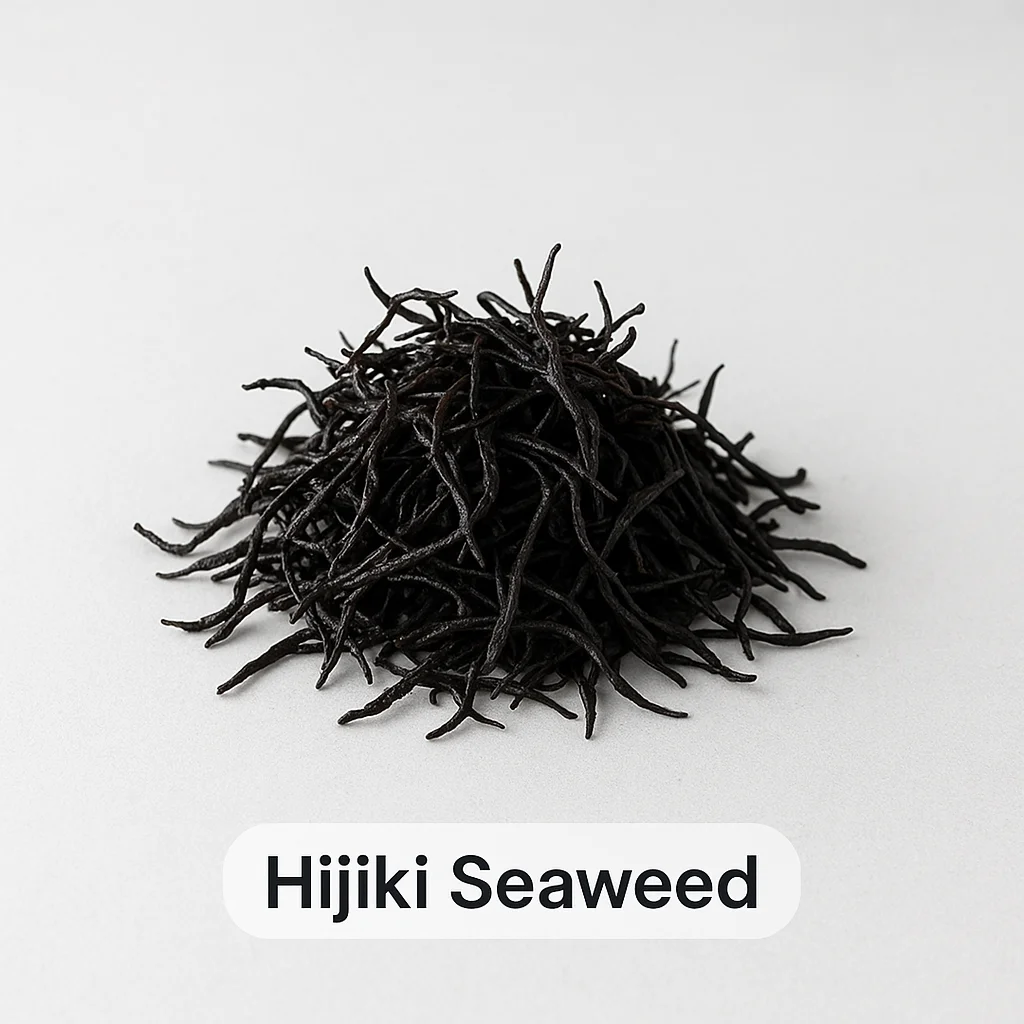
People around the globe consume hijiki for its unique taste and perceived health benefits. Believed to be rich in essential minerals, hijiki seaweed adds depth and complexity to dishes. However, due to its texture and flavor, it may not be everyone’s preferred choice initially, but it often becomes an acquired taste for many seafood enthusiasts.
🐠 Taste & Texture
Hijiki seaweed boasts an earthy, oceanic flavor that can be described as mildly sweet with a slight bitterness. The texture is typically crunchy, which becomes tender upon cooking. Its dark, almost black hue adds a dramatic visual element to dishes, and its aroma can be likened to that of the sea, fresh yet intense.
- Flavor: Earthy, slightly sweet, and oceanic
- Texture: Crunchy when raw, tender when cooked
- Color: Dark brown to black
- Aroma: Sea-like and fresh
🌊 Origin & Habitat
Hijiki is found primarily along the rocky coastlines of Japan, Korea, and China. It thrives in the intertidal zones where tidal changes allow the seaweed to experience both sun and water, which contributes to its distinct taste and texture. While typically harvested from wild environments, there has been an increase in cultivation practices to meet growing demand.
The differences between wild and farmed hijiki are subtle but noteworthy. Wild hijiki often carries a more profound marine flavor, whereas farmed varieties may be milder. Availability varies based on regional cultivation, with exports reaching international markets.
📅 Best Season
The best season for hijiki seaweed generally varies by region. It is often harvested in the spring when the seaweed is believed to be at its peak nutrition and flavor. However, since hijiki is typically dried post-harvest, it is often available year-round. This drying process helps concentrate the flavors and nutrients, making it a staple in many kitchens globally.
Understanding the seasonality of hijiki is crucial due to factors such as texture and price, which can fluctuate based on the time of year and environmental conditions.
🔪 Preparation
Preparing hijiki seaweed is quite straightforward. Typically sold dried, it requires rehydration before use, which is done by soaking it in water for about 20–30 minutes. This process revives the seaweed’s texture and flavor, readying it for cooking.
- Soak in water for 20–30 minutes to rehydrate
- Rinse thoroughly to remove any remaining sand or debris
- Drain and pat dry before use
For those concerned with the odor, a quick rinse or a light soak in a vinegar solution can help mitigate the seaweed's natural marine scent.
❄️ Storage Tips
Proper storage of hijiki seaweed ensures its longevity and quality. When kept dry, hijiki can last for several months.
- Do: Store dried hijiki in an airtight container in a cool, dark place
- Do: Keep rehydrated hijiki in the refrigerator for up to 3 days
- Don’t: Store in direct sunlight or humid places
If freezing, portion rehydrated hijiki into airtight bags, removing excess air to prevent freezer burn. Thaw it in the refrigerator before use, ensuring food safety.
🍽️ Popular Dishes
Hijiki seaweed can be incorporated into numerous dishes, adding a unique marine flavor profile and texture.
- Hijiki Salad: Mixed with carrots, soybeans, and sesame for a refreshing side dish
- Stir-fried Hijiki: Combined with vegetables and tofu, highlighting its tender texture
- Hijiki Udon: Adding depth to a warm bowl of noodles
- Seaweed Rice: Enhancing plain rice with earthy flavors
- Vegetable Tempura: Coated and fried for a crispy snack
- Hijiki and Bean Stew: Slow-cooked for a comforting meal
Raw preparations such as salads should be handled with care, ensuring the seaweed is sourced safely and prepared correctly to mitigate any food safety risks.
🥗 Nutritional Benefits
Hijiki seaweed is often celebrated for its potential nutritional content, though it's essential to note that its benefits can vary. It is generally praised for its mineral content, particularly in calcium, iron, and fiber, contributing to a balanced diet.
- Calcium: Supports bone health
- Iron: Aids in oxygen transport
- Fiber: Promotes digestive health
While hijiki is nutrient-rich, it should be consumed in moderation as part of a diverse diet.
⚠️ Who Should Eat & Caution
Hijiki seaweed, like many seafood products, comes with considerations for certain consumers. Those with a seafood allergy should avoid consumption. Additionally, because hijiki naturally contains certain inorganic components in higher amounts, it is advisable for pregnant people and young children to consume it in moderation and consider alternative dietary sources.
When preparing hijiki, it's important to prevent cross-contamination with other allergens and implement safe handling practices, such as washing hands and cleaning surfaces after preparation.
📌 Summary
Hijiki seaweed offers a unique taste experience with its earthy, oceanic flavor and crunchy texture that becomes tender when cooked. Its nutritional benefits and distinctive taste make it a sought-after ingredient in various culinary applications around the world, though moderation and safe handling are recommended for optimal enjoyment.
- Omni-present in many cultures' dishes
- Requires rehydration before use
- Offers essential minerals with each serving
- Safe storage prolongs shelf life while retaining flavor