🐟 Carrageenan Seaweed
Carrageenan seaweed is a type of red algae commonly found in various parts of the world. It is widely harvested due to its gel-like properties when processed, making it a popular thickening and stabilizing agent in many food products. This seaweed is not only prized for its functional properties in culinary applications but also consumed directly in certain cultures for its nutritional content. Carrageenan is often found in processed foods but can also be an ingredient in traditional dishes.
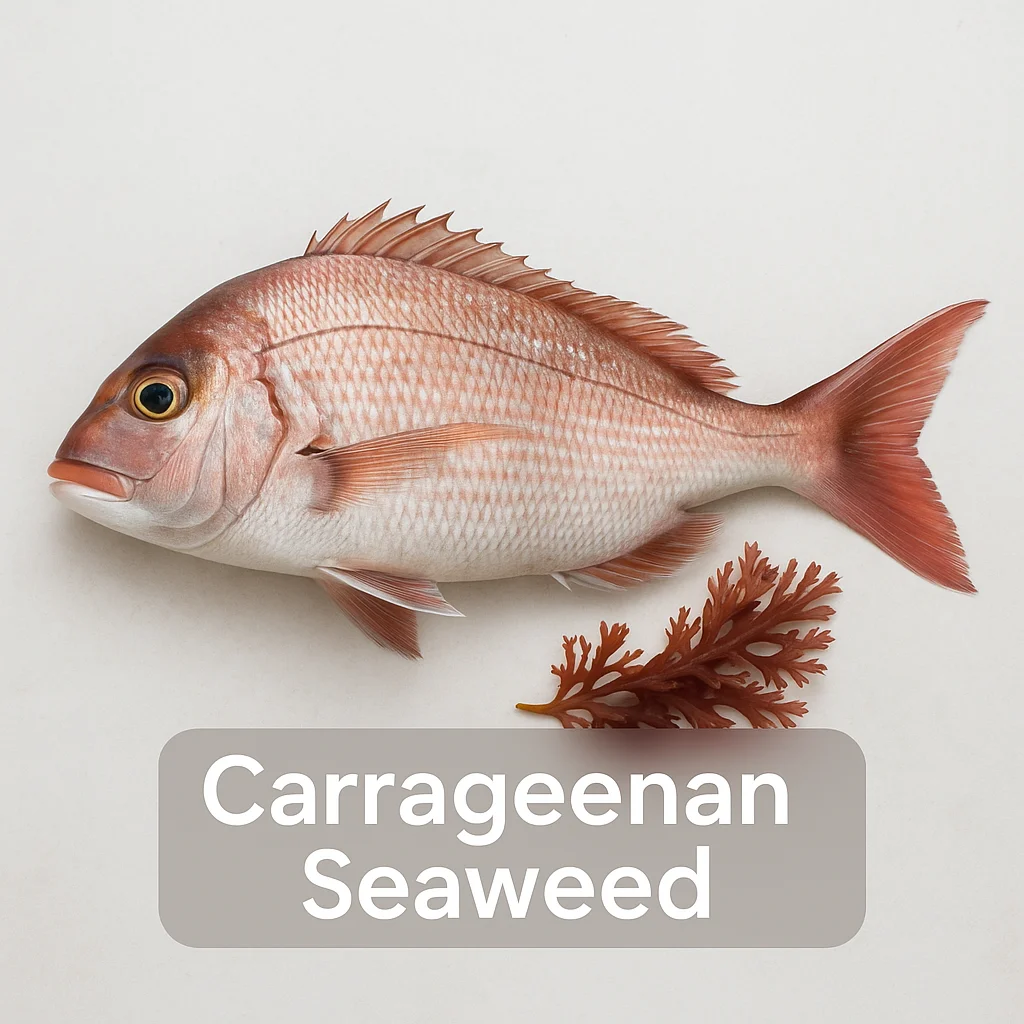
People consume carrageenan seaweed for its versatile usage, mild flavor, and contribution to dietary fiber intake. Although it is mostly used in an extract form, in some cuisines, the whole seaweed is appreciated for its slightly salty and savory taste, as well as its unique, slightly chewy texture.
🐠 Taste & Texture
Carrageenan seaweed has a distinctively mild flavor with a subtle hint of the ocean. It is neither overtly sweet nor salty, making it an adaptable ingredient in various dishes. The texture is relatively soft with a slightly gelatinous feel, which provides the basis for its use as a natural thickener. When consumed fresh, it offers a clean, oceanic aroma that pairs well with other seafood or vegetables.
- Flavor: Mild, slight oceanic hint
- Texture: Soft, slightly gelatinous
- Smell: Fresh and clean sea scent
- Color: Reddish-brown or dark purple when fresh
🌊 Origin & Habitat
Carrageenan seaweed thrives in coastal water environments, typically found attached to rocks in intertidal zones. It is marine algae native to several parts of the world, including the Atlantic coasts of North America and Europe, as well as regions in Asia, particularly the Philippines and Indonesia. Both wild harvesting and farming are common, with farmed seaweed often providing a more consistent quality.
Wild-grown carrageenan may vary more in size and texture, while farmed seaweed tends to offer uniformity. The differences are mostly in the availability and sustainable practices employed.
📅 Best Season
The best season for carrageenan seaweed typically varies by region, as it can grow year-round in many tropical and temperate waters. However, its peak season often influences its abundance and market price, with spring and summer being common seasons for rich harvests. For consumers, understanding the best season may result in purchasing fresher and potentially more cost-effective products.
🔪 Preparation
Preparing carrageenan seaweed for consumption is relatively straightforward, though it does require some initial cleaning to remove any sand, shells, or other debris clinging to the fronds. Rinsing thoroughly under cold water usually suffices. There's no need for scaling or gutting, unlike fish, since it is a plant-based seafood.
- Rinse thoroughly to remove debris
- Check for toughness and trim any overly fibrous parts
- Soak briefly in water to reduce salinity, if necessary
To manage seaweed's natural oceanic smell, a brief soak in fresh water can help minimize any overpowering scents. However, the seaweed's native aroma is generally mild when fresh.
❄️ Storage Tips
Proper storage of carrageenan seaweed is essential to maintain its quality. When fresh, it should be stored in the refrigerator and used within a few days. For longer storage, consider drying it, which is a traditional method that allows it to be kept for several months. Once dried, it should be rehydrated before use.
- Do: Store fresh seaweed in the fridge in an airtight container
- Do: Rehydrate dried seaweed submerged in cool water
- Don’t: Leave fresh seaweed at room temperature
- Don’t: Freeze the seaweed in its fresh form (dried seaweed can sometimes be stored frozen)
🍽️ Popular Dishes
Carrageenan seaweed is used in various dishes around the world. Some examples include:
- Seaweed Salad: Often featured in Asian cuisine with a light sesame dressing.
- Irish Moss Drink: A traditional Jamaican beverage made with milk and spices.
- Gelatin Desserts: Used as a vegan alternative to gelatin for jellies and puddings.
- Sushi Rolls: Incorporated into sushi for added texture and nutritional benefits.
- Thickening Agents: Used in soups and broths to enhance viscosity.
- Seaweed Broth: Boiled in water to create a savory base for soups.
Cooking methods for carrageenan seaweed are flexible; it can be used raw, boiled, or fried, highlighting its texture and absorptive qualities.
🥗 Nutritional Benefits
Carrageenan seaweed is valued for its nutritional offerings, including a good source of dietary fiber, vitamins, and minerals. While specific nutrient content may vary, it typically contains trace elements beneficial for overall health.
- Good source of dietary fibers
- Contains iodine, magnesium, and calcium
- Low in calories and fats
⚠️ Who Should Eat & Caution
While carrageenan seaweed is generally considered safe, individuals with seafood allergies or sensitivities should exercise caution due to possible cross-contamination during processing. Additionally, those concerned about iodine intake should moderate consumption.
As with any food product, hygienic handling is crucial to prevent raw food contamination. Ensure clean utensils and surfaces, and practice safe cooking techniques. Pregnant individuals and young children should consult dietary guidelines to avoid excessive iodine or any food sensitivities.
📌 Summary
Carrageenan seaweed is a versatile culinary ingredient known for its mild flavor, gelatinous texture, and comprehensive functional properties. Its use across various global dishes highlights its adaptability and nutritive value. Proper storage and preparation can enhance its freshness and culinary applications.
- Key Takeaway: Carrageenan seaweed is a versatile, mild-flavored ingredient widely used for its thickening properties.
- Best Used: Can be incorporated in salads, drinks, sushi, and more.
- Storage Tip: Keep fresh in the fridge or consider drying for longer shelf life.