🐟 Wild-Caught vs Farmed Fish: Flavor, Cost, and What to Look For
🧭 Quick Overview
This article provides a comprehensive guide to understanding the differences between wild-caught and farmed fish. Ideal for culinary enthusiasts and conscientious shoppers, it will help you navigate flavor profiles, cost implications, and key purchasing signals.
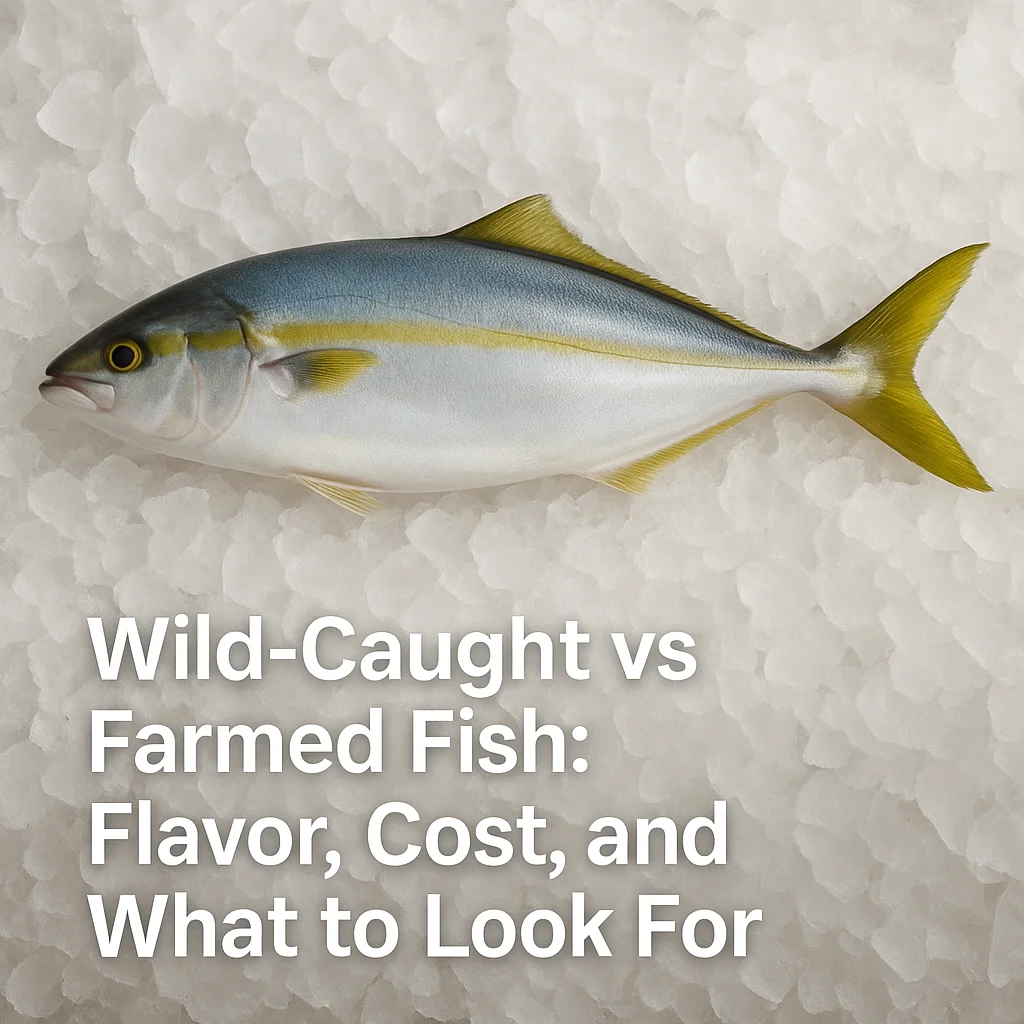
- Best for: Home cooks, food enthusiasts, and eco-conscious consumers.
- Common problems solved: Determining the best fish type for your palette and budget, and making informed purchasing decisions.
- What you need: Basic understanding of fish types and access to a reliable seafood supplier.
🧠 Why This Matters
The debate between wild-caught and farmed fish is significant due to implications on taste, nutritional content, environmental impact, and price. Choosing the right type can enhance culinary results, align with dietary goals, and support sustainable practices.
✅ Step-by-Step Method
Understanding key differences between wild-caught and farmed fish can enhance your gastronomic experience.
- Step 1: Determine your flavor preference. Wild-caught fish often have a more distinct, robust flavor, whereas farmed fish tend to have a milder taste.
- Step 2: Consider your budget. Farmed fish is typically more affordable due to lower production costs.
- Step 3: Assess nutritional content. Wild-caught varieties may have more omega-3 fatty acids, but some farmed fish are fortified.
- Step 4: Evaluate sustainability. Look for certifications like MSC or ASC on labels for sustainably sourced fish.
- Step 5: Choose based on freshness. Opt for fish with clear eyes and no off-putting smell whether wild or farmed.
🧾 Checklist
Use this checklist to guide your fish selection process.
- Decide on wild-caught or farmed based on flavor and personal preference.
- Set a budget and compare prices between the two types.
- Examine the nutritional benefits and choose accordingly.
- Prioritize sustainability by checking for relevant certifications.
- Inspect the fish’s freshness through visual and olfactory cues.
⚠️ Common Mistakes & Fixes
- Mistake: Confusing freshness signals with price. Fix: Always check the fish’s appearance and smell regardless of cost.
- Mistake: Assuming all wild-caught fish are ecologically superior. Fix: Research and identify truly sustainable wild fish options.
- Mistake: Neglecting to verify farmed fish sources. Fix: Look for certifications that assure quality and sustainability.
🌍 Variations by Fish Type
Different fish types influence purchase and cooking methods.
- Oily fish: Rich in omega-3s, generally more robust in taste, and ideal for baking or grilling.
- Lean white fish: Mild flavor, flakey texture, versatile for frying or steaming.
- Thick steaks: Great for grilling, providing firm bites with robust seasoning.
- Thin fillets: Quick to cook, perfect for sautéing or shallow frying.
🧊 Storage & Leftovers
For optimal freshness, store fish in the coldest part of your refrigerator and consume within two days. Freeze fish for longer storage, ensuring airtight wrapping to prevent freezer burn. When reheating, use gentle methods like steaming or low-heat baking to preserve texture and flavor.
🛒 Buying Tips
When purchasing fish, check for firm flesh and a fresh sea scent. Avoid fish with cloudy eyes or a fishy odor. Packaging labels should reveal catch or farm location, and eco-labels (e.g., MSC, ASC) indicate responsible sourcing.
🧼 Safety Notes
To prevent cross-contamination, use separate utensils for raw and cooked fish. Ensure fish reaches a safe internal temperature of 145°F. When in doubt about the fish's freshness or origin, consider alternatives to limit risk.
❓ FAQs
- Question: Is farmed fish less nutritious than wild-caught fish? Answer: Not necessarily; it depends on the species and farming practices, as some farmed species are fortified with nutrients.
- Question: Do wild-caught fish always taste better than farmed fish? Answer: Flavor is subjective; wild-caught fish has a more pronounced flavor, while farmed varieties are milder, catering to different tastes.
- Question: Are there any health risks with farmed fish? Answer: Quality-regulated farmed fish are generally safe. Be sure to verify the source and opt for certified farms to ensure lower contamination risks.
📌 Summary
- Wild-caught and farmed fish offer distinct flavors and nutritional values, affecting culinary outcomes.
- Cost differences make farmed fish an economical choice, but sustainability certifications are key for both types.
- Freshness, source verification, and appropriate storage ensure the best experience and safety.