🐟 Sustainable Seafood Labels and Claims: What’s Helpful vs What’s Just Marketing
🧭 Quick Overview
Sustainable seafood labels have become a common sight in markets and restaurants, promising environmentally friendly choices. This article aims to help consumers discern which labels provide meaningful information and which are merely marketing gimmicks.
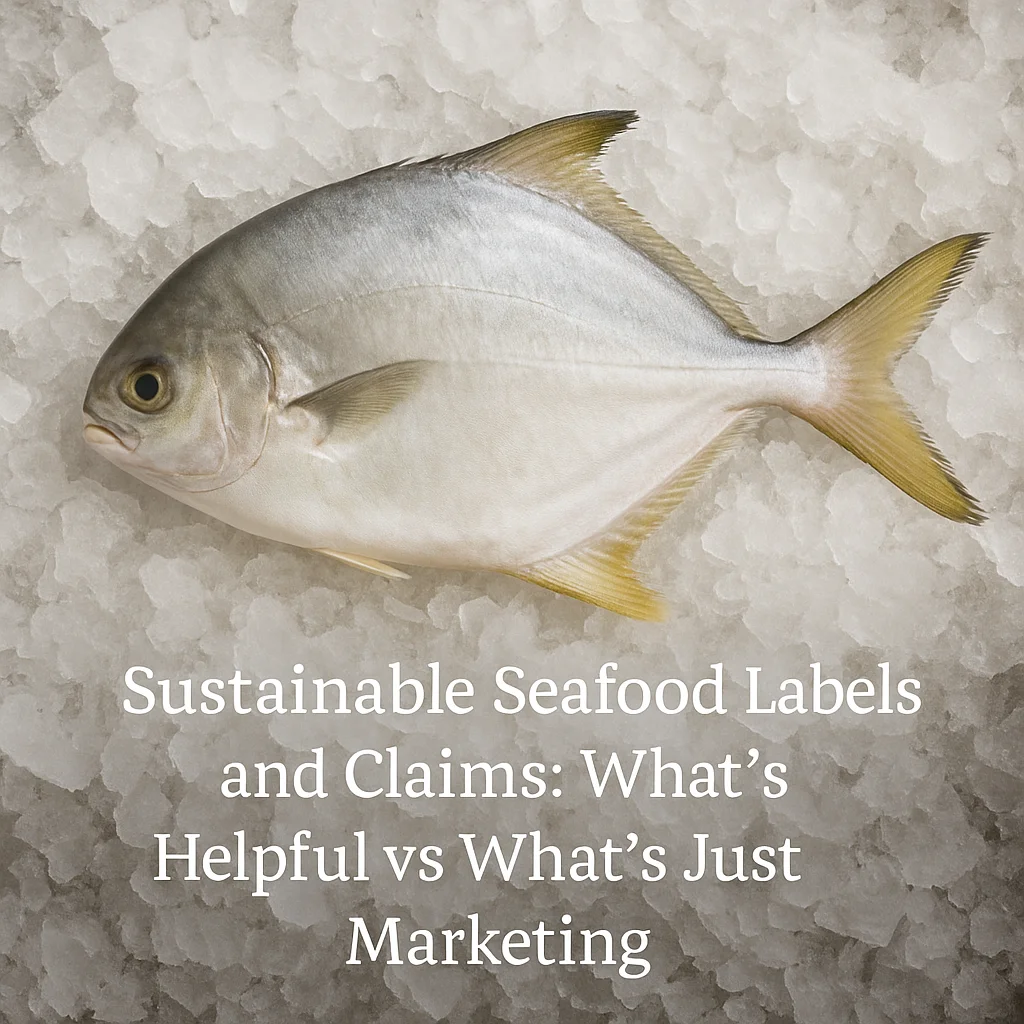
- Best for: Seafood lovers who want to make informed and sustainable choices
- Common problems solved: Misleading labels, identifying genuine sustainable options
- What you need: Willingness to research and learn about sustainability standards
🧠 Why This Matters
The seafood industry significantly impacts marine ecosystems. By choosing sustainable options, consumers can support practices that protect the environment and ensure long-term availability of seafood. However, misleading labels can confuse buyers, making it important to understand which claims are genuinely beneficial.
✅ Step-by-Step Method
Here's how to navigate seafood labels and claims to make environmentally responsible purchases.
- Step 1: Familiarize yourself with major sustainability certifications like MSC (Marine Stewardship Council) and ASC (Aquaculture Stewardship Council).
- Step 2: Be wary of vague terms like "eco-friendly" or "ocean safe" without official certification logos.
- Step 3: Research the company or product; some brands provide transparency reports on their sourcing methods.
- Step 4: Use apps or websites that offer seafood sustainability ratings or guides, such as Seafood Watch.
- Step 5: Opt for local or seasonal seafood options, which are often more sustainable due to decreased transportation impact.
🧾 Checklist
Use this checklist to quickly identify sustainable seafood choices.
- Look for recognized certification labels (e.g., MSC, ASC)
- Avoid vague and non-certified sustainability claims
- Investigate the sourcing practices of unfamiliar brands
- Choose local and seasonal seafood when possible
- Utilize seafood sustainability apps or guides
⚠️ Common Mistakes & Fixes
- Mistake: Trusting marketing terms without verification. Fix: Always look for certification and do some research.
- Mistake: Assuming all farmed fish are unsustainable. Fix: Recognize that some aquaculture practices are sustainable, especially if certified by ASC.
- Mistake: Ignoring local seasonal fish. Fix: Prioritize local and seasonal varieties to reduce environmental impact.
🌍 Variations by Fish Type
Sustainability considerations can vary significantly depending on the type of fish or seafood.
- Oily fish: Often found in wild stocks and may have sustainability challenges due to overfishing; seek certified options.
- Lean white fish: Generally has more sustainable farmed options available.
- Thick steaks: Check the sourcing for high-ticket items, as they are often targets for overfishing.
- Thin fillets: Be aware of bycatch issues, and opt for certified sources.
🧊 Storage & Leftovers
Sustainable seafood choices should be stored properly to avoid waste. Generally, fresh seafood should be refrigerated and consumed within 1-2 days. For longer storage, freezing is typically the best method, maintaining quality for several months. Thaw in the refrigerator to ensure even and safe defrosting.
🛒 Buying Tips (if relevant)
When buying seafood with sustainability claims, start by examining the label for certification icons. Freshness indicators for fish include clear eyes and a fresh ocean smell. Be cautious of overly fishy smells and dull appearance, which are red flags.
🧼 Safety Notes
Avoid cross-contamination by using separate cutting boards for seafood and other ingredients. Ensure seafood is cooked to an appropriate internal temperature to reduce safety risks. When in doubt about freshness, it is generally safer to not consume.
❓ FAQs
- Question: What does MSC certification mean? Answer: MSC stands for Marine Stewardship Council, which ensures that a seafood product is sourced sustainably and responsibly.
- Question: Are all organic labels reliable indicators of sustainability? Answer: Organic certification focuses on farming practices but may not guarantee sustainability. Look for dual-certified products in these cases.
- Question: Can I consume seafood labeled "wild-caught"? Answer: While wild-caught may imply natural harvesting, it is not inherently more sustainable. Verify with recognized certification for sustainability.
📌 Summary
- Look for major sustainability certifications to ensure responsible sourcing.
- Stay informed and cautious of vague marketing terms that lack official backing.
- Consider local and seasonal options to minimize environmental impact.