🐟 Low-Waste Seafood Cooking: Using More of the Fish (Collars, Bones, Scraps)
🧭 Quick Overview
In this guide, you will learn how to make the most out of seafood by using parts of the fish that are often discarded, such as collars, bones, and scraps. This approach is perfect for those who want to minimize waste, enhance the flavor of their dishes, and be more sustainable in their cooking practices.
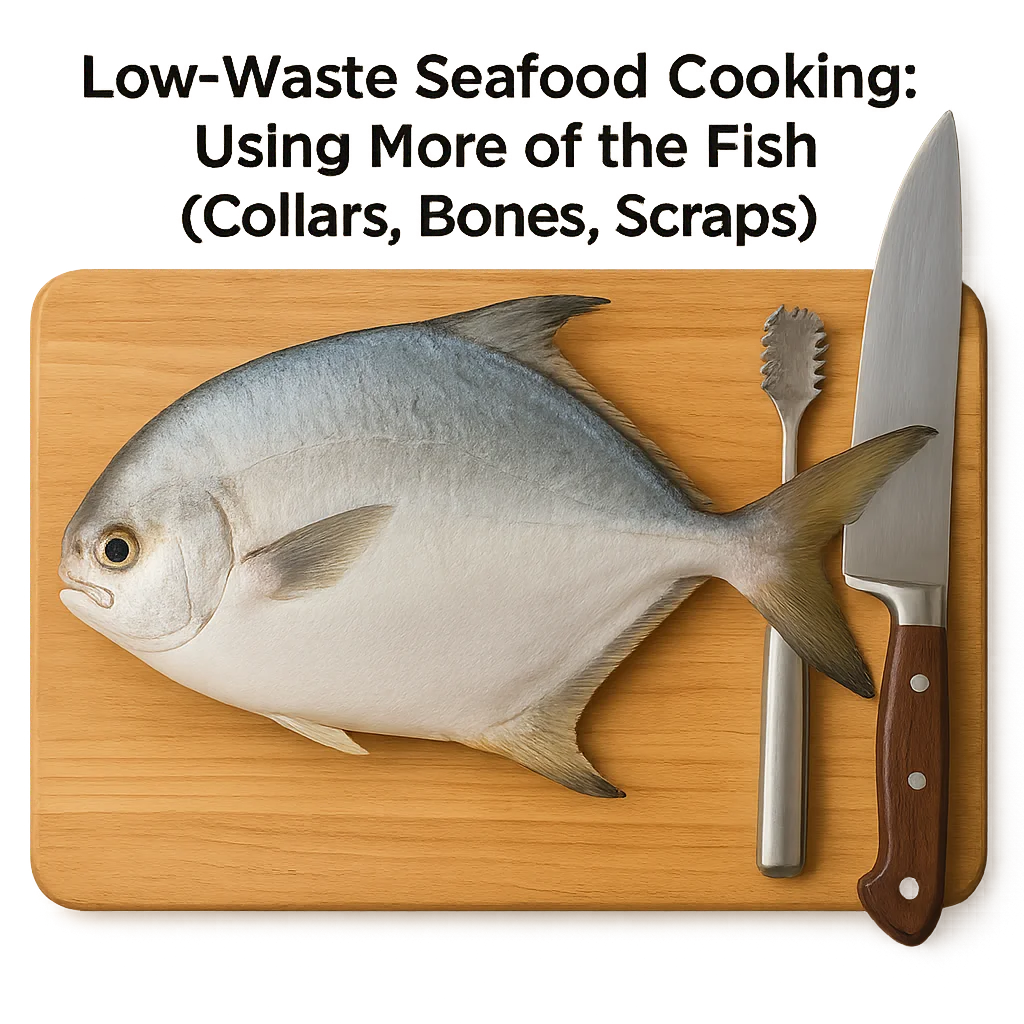
- Best for: Home cooks interested in sustainability, flavor enthusiasts, cost-conscious individuals
- Common problems solved: Reduces food waste, lowers cooking costs, enhances dish complexity with rich flavors
- What you need: Sharp knife, fish tweezers, quality seafood, sturdy stockpot, cooking patience
🧠 Why This Matters
Utilizing every part of the fish not only helps in reducing kitchen waste but also brings out deep flavors that are often overlooked. It is an economical approach that can elevate the culinary experience, offering richer broths and unique textures. Fish parts like collars and bones hold intense tastes that are perfect for creating flavorful soups or sauces.
✅ Step-by-Step Method
Here's a structured approach to cooking with more parts of your fish:
- Step 1: Start by purchasing whole fish, as it's generally more cost-effective and provides more usable parts.
- Step 2: Use a sharp knife to carefully remove the fillets, saving the collars and bones for stock or grilling.
- Step 3: For the collars, season them with salt and your choice of spices, then grill or roast to bring out their fatty, rich flavors.
- Step 4: Use the bones and scraps to create a nutrient-rich fish stock, simmering them with vegetables and herbs for 30 to 60 minutes.
- Step 5: Incorporate your homemade fish stock into soups, risottos, or sauces to impart a depth of flavor that can't be matched by store-bought broths.
🧾 Checklist
Key points to ensure you're getting the most out of your seafood:
- Purchase whole fish whenever possible.
- Prepare to use all parts: fillets, collars, bones, and scraps.
- Utilize collars and bones for grilling or stock.
- Store any unused parts in the freezer for later use.
- Be bold with flavors and spices to enhance richness.
⚠️ Common Mistakes & Fixes
- Mistake: Overcooking fish collars or bones. Fix: Monitor cooking times closely and use lower heat when simmering stocks.
- Mistake: Not removing pin bones, leading to unpleasant texture. Fix: Use tweezers to carefully remove all pin bones from fillets.
- Mistake: Fish stock tasting bland. Fix: Add aromatic vegetables and a touch of acidity, such as wine or lemon juice, to enhance flavors.
🌍 Variations by Fish Type
Different fish types require different handling, here’s how:
- Oily fish: High-fat content makes these ideal for collars and scrap grilling, yielding buttery textures and rich flavors.
- Lean white fish: Best used for delicate stocks where mild flavors are desired; avoid high-heat direct grilling on delicate cuts.
- Thick steaks: Great for direct grill or roast; maintain juiciness with a quick sear followed by gentle cooking.
- Thin fillets: Best for poaching or quick sears; use scraps from these to add subtle taste to your stocks.
🧊 Storage & Leftovers
Always refrigerate seafood promptly. Fresh fish should be used within 1-2 days or frozen indefinitely at a stable temperature to maintain quality. Cooked fish can be stored in the fridge for 3-4 days. For leftover fish scraps and bones, wrap tightly and freeze for future stock making. Reheat slowly to prevent toughness.
🛒 Buying Tips (if relevant)
When choosing whole fish, look for clear, bright eyes and shiny skin as indicators of freshness. Fish should smell like the sea, not fishy. Avoid any with dull or cloudy eyes and off-smelling odors. Ask your fishmonger for advice and assistance in selecting the best catch of the day.
🧼 Safety Notes
Cross-contamination is a risk when handling raw fish, so always use separate cutting boards and utensils for fish and other ingredients. Cook fish to an internal temperature of 145°F (63°C) to ensure safety. When in doubt, consume only well-cooked seafood to minimize risks of foodborne illnesses.
❓ FAQs
- Question: Can I use fish heads in my cooking? Answer: Yes, fish heads are excellent for stocks and soups, providing gelatins and intense flavors.
- Question: How can I mask the strong smell of fish scraps when cooking? Answer: Neutralize with acids like lemon juice or vinegar, and cook with fragrant herbs and spices.
- Question: Is it safe to eat fish collar skin? Answer: Yes, when properly cleaned and cooked, fish collar skin becomes crispy and flavorful.
📌 Summary
- Utilizing all parts of the fish enhances flavor while minimizing waste.
- Different fish types affect preparation and outcome; adapt methods accordingly.
- Proper handling, storage, and cooking ensure safe and delicious meals.