🐟 A Simple Global Seasonality Calendar (Cold-Water vs Warm-Water Fish)
🧭 Quick Overview
This article offers a comprehensive guide on understanding the seasonality of cold-water and warm-water fish species across the globe. It is designed for culinary enthusiasts, home cooks, and seafood lovers who want to make informed decisions about purchasing and cooking fish at their prime in terms of taste and texture.
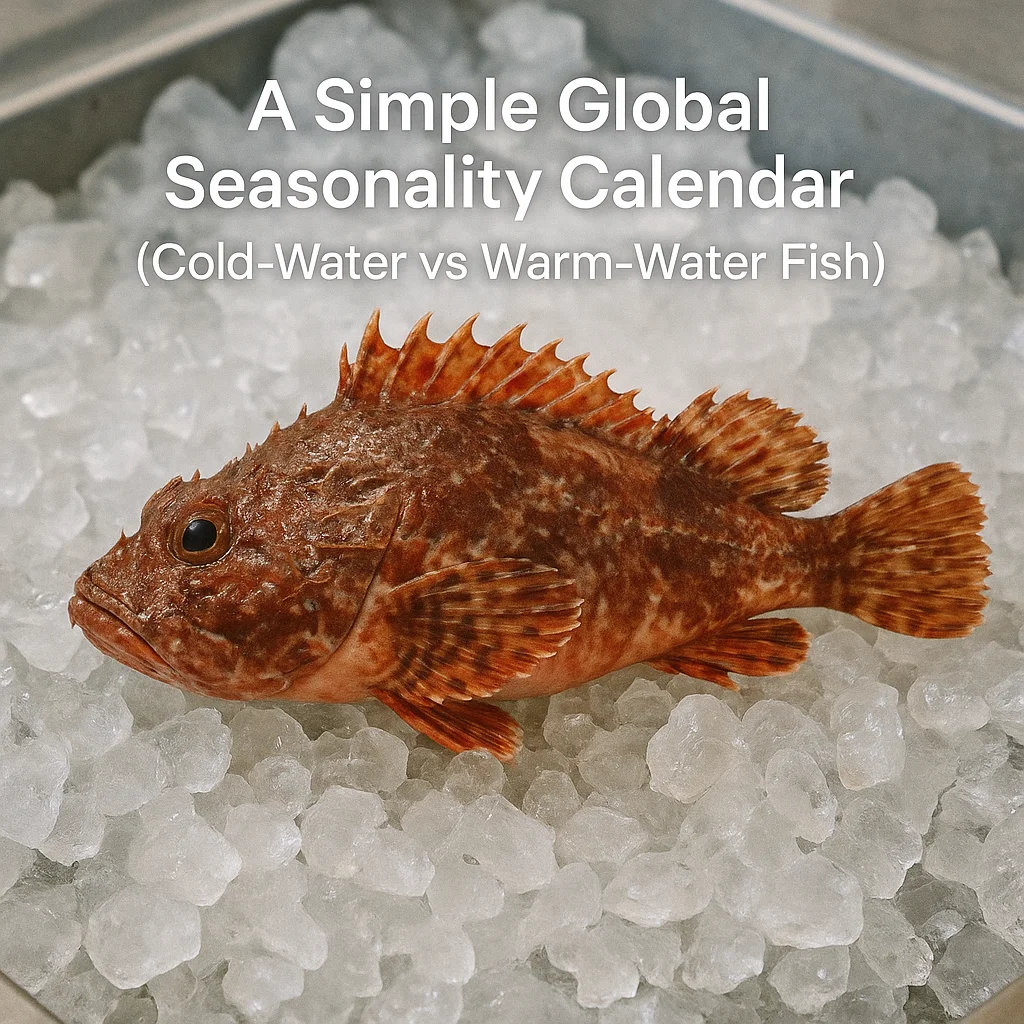
- Best for: Cooks, seafood connoisseurs, and eco-conscious consumers.
- Common problems solved: Knowing when fish are fresher and at their peak quality.
- What you need: Your local fishmonger’s calendar or access to seasonal charts.
🧠 Why This Matters
Understanding the seasonality of fish affects not only taste but also price and sustainability. Seasonal fish are generally fresher, more flavorful, and can be more affordable. Additionally, choosing fish in their natural season often supports healthier ecosystems by reducing pressures on overfished species.
✅ Step-by-Step Method
Navigating the world of fish seasonality is straightforward when you know what to look for. Here's how:
- Step 1: Identify whether the fish in question is a cold-water or warm-water species.
- Step 2: Understand the characteristics of both cold-water and warm-water fish.
- Step 3: Consult international seasonality charts that highlight peak periods for different species.
- Step 4: Consider other factors such as migration patterns and breeding seasons.
- Step 5: Use this knowledge to inform buying decisions and cooking plans.
🧾 Checklist
Here's a handy checklist to help you choose the best fish based on seasonality:
- Verify the water temperature preference of the fish species.
- Consult an updated seasonality chart before purchasing.
- Discuss with your local fishmonger about the current catch trends.
- Check for quality indicators like bright eyes and firm flesh.
- Prioritize sustainably sourced fish when possible.
⚠️ Common Mistakes & Fixes
- Mistake: Buying off-season fish. Fix: Stick to seasonal charts for guidance.
- Mistake: Confusing cold-water and warm-water fish. Fix: Research or ask experts to clarify.
- Mistake: Ignoring indications of freshness. Fix: Always perform a quality check.
🌍 Variations by Fish Type
Different fish types have specific requirements when it comes to buying and preparing, influenced by their water temperature preference and body type.
- Oily fish: Typically thrive in colder waters and have richer flavor profiles. Best enjoyed fresh during their peak season.
- Lean white fish: Often found in both cold and warm waters. Keep an eye on texture and appearance for quality assessments.
- Thick steaks: Preferable for grilling or roasting and often from larger cold-water species.
- Thin fillets: More common with warm-water fish, ideal for quick-cooking methods like pan-searing.
🧊 Storage & Leftovers
For optimal freshness, cold-water and warm-water fish should be stored properly. Fresh fish can typically be refrigerated for 1-2 days or frozen for several months. When reheating, consider gentle methods to preserve moisture and texture.
🛒 Buying Tips (if relevant)
Keep an eye out for labels indicating sustainable practices and check for signs of freshness in the fish. Bright, clear eyes and mild sea-like odors are indicators of quality.
🧼 Safety Notes
Always maintain strict cross-contamination controls and ensure fish is cooked to a safe internal temperature. When in doubt, avoid raw consumption unless the fish is specifically labeled for such use.
❓ FAQs
- Question: What's the main difference between cold-water and warm-water fish? Answer: Cold-water fish tend to be richer in oils, while warm-water fish may be less fatty.
- Question: Can I eat fish out of its season? Answer: While possible, it's not ideal for taste, quality, or ecology.
- Question: How do I know which fish are sustainable? Answer: Look for certifications such as the Marine Stewardship Council (MSC) label.
📌 Summary
- Choosing seasonal fish enhances flavor and supports sustainability.
- Always verify fish quality with checks like eye clarity and flesh firmness.
- Follow safety practices for storage and cooking to enjoy seafood safely.