🐟 Histamine (Scombroid) Risk: Which Fish to Watch and Safe Handling Tips
🧭 Quick Overview
This guide will help you understand the risks associated with histamine build-up in certain types of fish and offer practical tips on identifying, handling, and storing these fish safely. It’s ideal for seafood enthusiasts, home cooks, and anyone aiming to ensure safe consumption of fish.
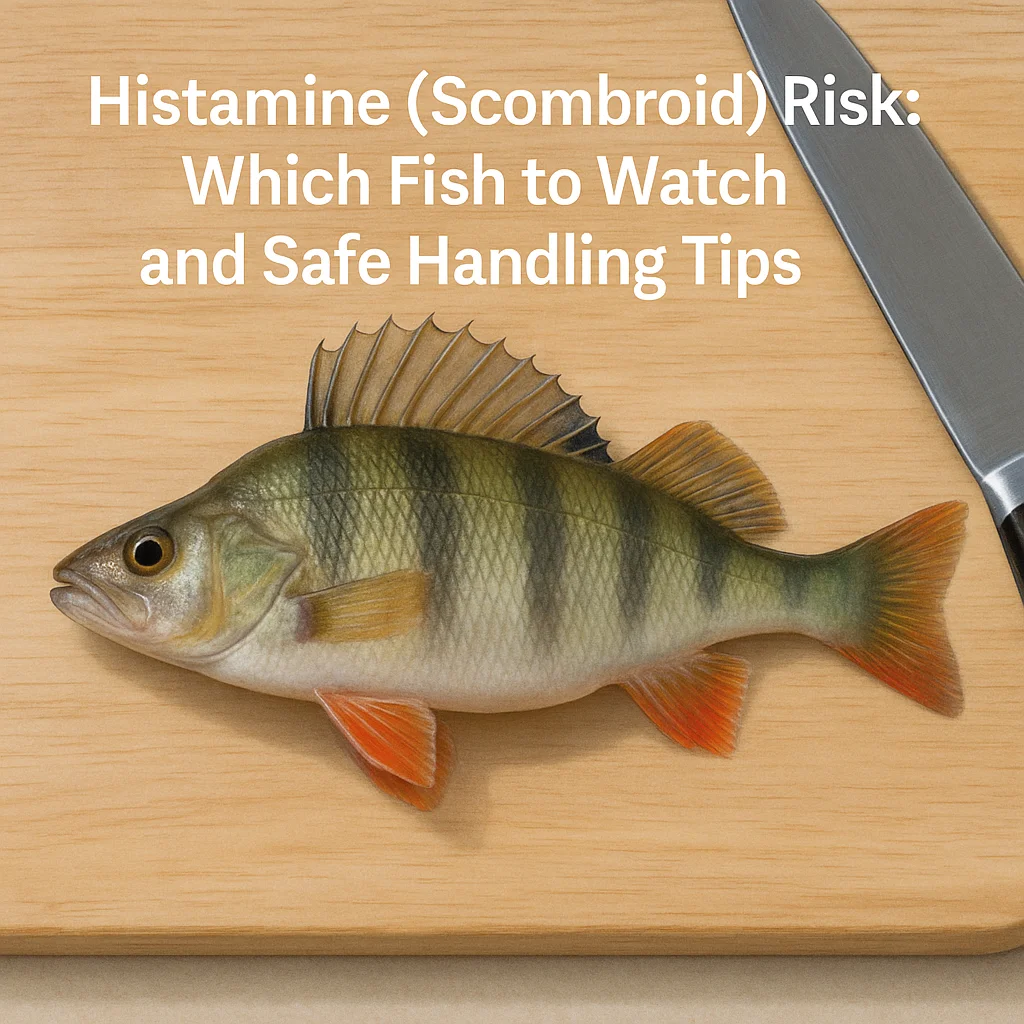
- Best for: Home cooks, seafood lovers, food safety enthusiasts
- Common problems solved: Identifying high-risk fish, avoiding histamine poisoning
- What you need: Fresh fish, proper storage methods, temperature control tools
🧠 Why This Matters
Histamine poisoning, also known as scombroid poisoning, is a common but preventable food safety issue associated with certain types of fish. Proper handling and storage can significantly reduce the risk, maintaining the integrity and safety of the fish you consume.
✅ Step-by-Step Method
Follow these steps to minimize the risk of scombroid poisoning from fish consumption.
- Step 1: Identify high-risk fish such as tuna, mackerel, mahi-mahi, and sardines, which are prone to histamine development.
- Step 2: Purchase fish from reputable sources where proper handling and storage procedures are followed.
- Step 3: Ensure fish is stored at or below 4°C (39°F) from purchase to consumption to inhibit bacterial growth.
- Step 4: Cook fish thoroughly to recommended internal temperatures to kill any surface bacteria.
- Step 5: When serving, keep fish out of the danger zone (>4°C and <60°C) to prevent bacteria from producing histamine.
🧾 Checklist
A practical checklist to follow when handling and preparing fish.
- Check labels and ensure you buy from trusted suppliers.
- Inspect the freshness by the appearance and smell of the fish.
- Maintain continuous refrigeration until cooking.
- Cook fish to safe internal temperatures.
- Store leftovers properly and consume them quickly.
⚠️ Common Mistakes & Fixes
- Mistake: Leaving fish unrefrigerated. Fix: Always refrigerate immediately after purchase.
- Mistake: Not cooking fish thoroughly. Fix: Use a thermometer to ensure proper cooking temperatures.
- Mistake: Ignoring unusual odors. Fix: Discard fish that smell off or unusual.
🌍 Variations by Fish Type
Handling and preparation can vary based on the type of fish you are dealing with.
- Oily fish: More prone to spoilage; handle with extra care.
- Lean white fish: Generally less prone to histamine development, but proper storage is still crucial.
- Thick steaks: Require careful temperature monitoring to ensure even cooking.
- Thin fillets: Cook quickly; best to monitor closely to prevent overcooking.
🧊 Storage & Leftovers
Store fish in the coldest part of your refrigerator and use within 1–2 days of purchase. For longer storage, freeze fish at temperatures below -18°C (0°F). Reheat leftovers to a safe temperature, ensuring even heat distribution.
🛒 Buying Tips (if relevant)
Choose fish with clear eyes, bright skin, and a fresh ocean smell. Avoid fish that look dull or smell overly fishy. For packaged products, check expiration dates and seals for integrity.
🧼 Safety Notes
Practicing good hygiene is essential. Avoid cross-contamination by using separate utensils and cutting boards for raw and cooked seafood. Adhere to recommended cooking temperatures, and refrigerate promptly.
❓ FAQs
- Question: What fish are most at risk for histamine development? Answer: Fish like tuna, mackerel, and mahi-mahi are typically most at risk.
- Question: How can you tell if fish has developed histamine? Answer: Fish with unusual discoloration, strong ammonia odors, or off taste should be avoided.
- Question: Does freezing fish kill histamine? Answer: Freezing does not destroy histamine already present, but it prevents further development.
📌 Summary
- Recognize and handle high-risk fish types carefully to avoid histamine poisoning.
- Ensure proper storage and temperature control throughout the handling process.
- Adhere to food safety practices to keep seafood fresh and safe for consumption.