🐟 Pin Bones 101: How to Find and Remove Them Cleanly
🧭 Quick Overview
This guide will teach you the techniques and tips for finding and removing pin bones from fish fillets. It is designed for novice cooks and seasoned chefs alike, focusing on a safe and effective method to prepare fish fillets for cooking or presentation.
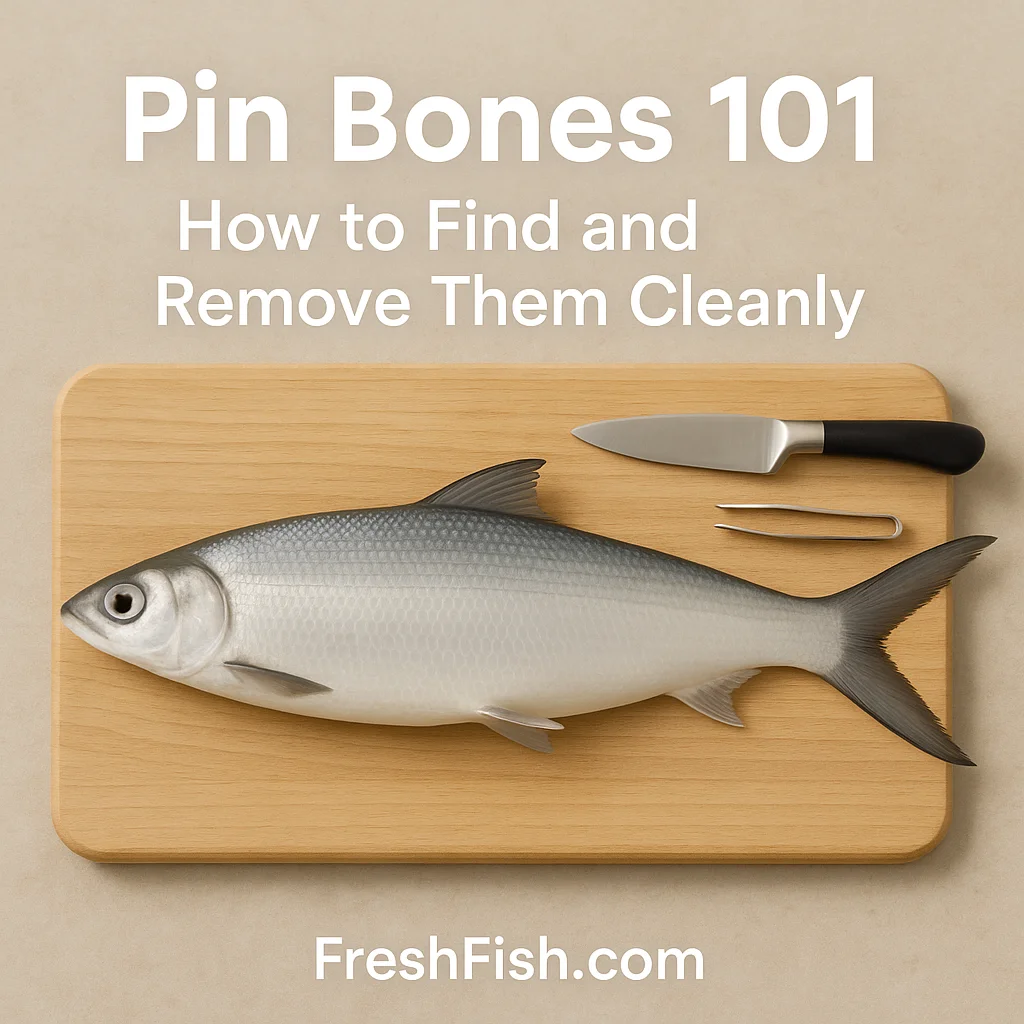
- Best for: Home cooks, professional chefs, seafood enthusiasts
- Common problems solved: Eating discomfort, imperfect fillets, preparation errors
- What you need: Fish fillets, needle-nose pliers or tweezers, a clean work surface
🧠 Why This Matters
Removing pin bones is critical for both the enjoyment and safety of consuming fish. These small but sturdy bones can pose a choking hazard and detract from the texture and taste experience of a well-cooked dish. Ensuring fillets are pin bone-free enhances meal presentation and overall dining satisfaction.
✅ Step-by-Step Method
Follow these steps to efficiently find and remove pin bones from your fish fillets.
- Step 1: Lay the fish fillet skin-side down on a clean work surface.
- Step 2: Run your fingers gently over the fillet to locate any pin bones. You'll feel them sticking out slightly from the flesh.
- Step 3: Use needle-nose pliers or tweezers to grip the end of the bone. Be careful not to tear the flesh.
- Step 4: Gently but firmly pull the bone out in the direction it is naturally pointing to avoid tearing.
- Step 5: Double-check the fillet with your fingers to ensure all pin bones have been removed.
🧾 Checklist
Use this checklist to ensure a smooth pin bone removal process.
- Have a clean, well-lit work area
- Use appropriate tools like tweezers or needle-nose pliers
- Work slowly and carefully to avoid damaging the fillet
- Inspect the fillet thoroughly after bone removal
⚠️ Common Mistakes & Fixes
- Mistake: Pulling bones against their direction. Fix: Always pull along the natural direction of the bone.
- Mistake: Rushing through the process. Fix: Take your time to feel and remove each bone precisely.
- Mistake: Using the wrong tools. Fix: Invest in a good pair of seafood tweezers or needle-nose pliers.
🌍 Variations by Fish Type
The technique of removing pin bones can vary depending on the type and cut of fish.
- Oily fish: Often have more visible pin bones, and their thicker texture can help keep meat intact during removal.
- Lean white fish: These may have finer, more delicate pin bones that require gentler handling.
- Thick steaks: Easier to work with due to the volume of meat, allowing for better grip on each bone.
- Thin fillets: Require careful attention to avoid tearing the meat as bones are removed.
🧊 Storage & Leftovers
After removing pin bones, store your fish fillets properly to maintain freshness. Wrap the fillets tightly in plastic wrap and store them in the coldest part of your refrigerator. For longer storage, consider freezing the fillets. Consume fresh fish within 1–2 days or frozen fish within 3 months for the best quality.
🛒 Buying Tips
For fresher fillets, look for glossy, translucent flesh, and minimal fishy odor. When buying from a fishmonger, don't hesitate to ask for the pin bones to be removed; many are happy to do so on request.
🧼 Safety Notes
Practice proper kitchen hygiene to avoid cross-contamination. Use separate cutting boards for fish and other ingredients. Ensure hands and surfaces are thoroughly cleaned before and after handling raw fish.
❓ FAQs
- Question: Can I cook fish with the pin bones still in? Answer: While possible, it is not recommended due to safety and texture concerns.
- Question: Are pin bones dangerous? Answer: They can pose a choking risk if not removed before consumption.
- Question: How can I tell if a fillet is pin bone-free? Answer: Run your fingers gently over the surface of the fillet; it should be smooth with no bones protruding.
📌 Summary
- Removing pin bones improves the safety and enjoyment of your fish dishes.
- Tools like tweezers or needle-nose pliers are essential for this task.
- Understanding variations by fish type can refine your technique and results.