🐟 How to Debone Small Fish Faster (Simple Tricks for Home Cooks)
🧭 Quick Overview
Deboning small fish can be a challenging yet rewarding task for home cooks. This guide is designed to help you master the art of deboning efficiently, ensuring you enjoy delicious, bone-free fish dishes with ease.
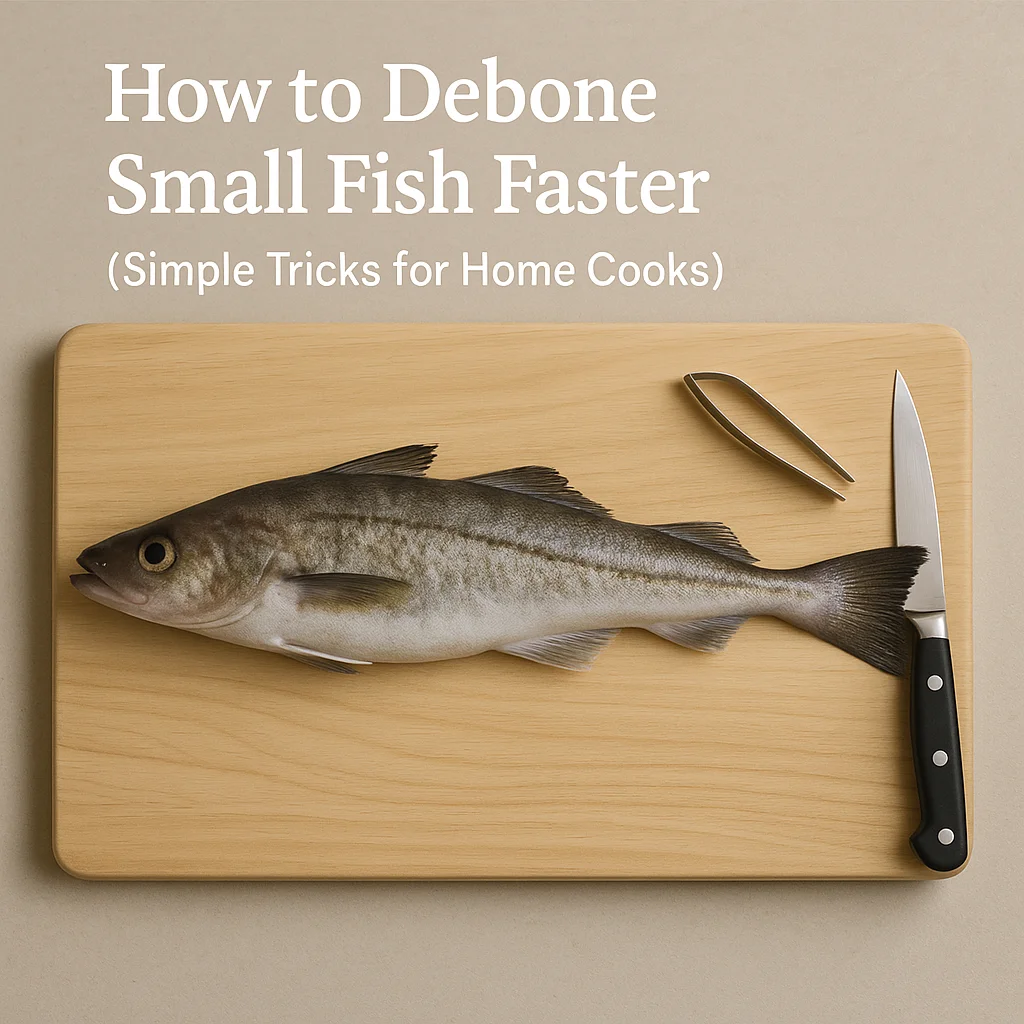
- Best for: Home cooks looking to improve their fish preparation skills.
- Common problems solved: Reducing time, improving precision, and enhancing the taste and safety of your fish dishes.
- What you need: A sharp filleting knife, cutting board, tweezers, and a clean work surface.
🧠 Why This Matters
Deboning fish is crucial not only for improving the taste and texture of your meals but also for ensuring safety. Nobody enjoys biting into a stray fish bone, which can be a choking hazard. Mastering the deboning process will elevate your culinary skills and lead to more enjoyable dining experiences.
✅ Step-by-Step Method
Follow these steps to debone small fish quickly and efficiently:
- Step 1: Begin by rinsing the fish under cold water and patting it dry with paper towels.
- Step 2: Place the fish on a cutting board with the belly facing you, using a sharp filleting knife to make a shallow cut along the belly to open it up.
- Step 3: Carefully remove the guts and clean the cavity thoroughly.
- Step 4: Using the tip of the knife, make an incision behind the gill cover and cut down to the backbone, following along one side of the spine.
- Step 5: With precision, slide the knife under the flesh and over the ribs, gently slicing away the fillet from the bones. Repeat on the other side.
🧾 Checklist
Here's a handy checklist to ensure you are ready to debone small fish:
- Sharp filleting knife
- Sturdy cutting board
- Fish tweezers to remove any small bones
- Clean paper towels
- Cold water and a clean workspace
⚠️ Common Mistakes & Fixes
- Mistake: Using a dull knife. Fix: Ensure your knife is sharp before starting for clean cuts.
- Mistake: Cutting too deep while separating fillets. Fix: Maintain a light touch to avoid cutting into the bones.
- Mistake: Missing bones. Fix: Use fish tweezers to feel and remove any remaining bones encountered during filleting.
🌍 Variations by Fish Type
Deboning techniques can vary based on the type of fish:
- Oily fish: These require a firmer grip and more caution as the oil can make the fish slippery.
- Lean white fish: The flesh is delicate, so use a gentle hand to prevent tearing.
- Thick steaks: Thicker flesh requires deeper cuts, ensure consistency in thickness while cutting.
- Thin fillets: Precision is key; a fine touch will help in keeping the fillets intact.
🧊 Storage & Leftovers
After deboning, store fish fillets by wrapping them tightly in plastic wrap and placing in the coldest part of your refrigerator. For longer storage, consider freezing them, but note that fish generally loses quality after being frozen. Use within two days when refrigerated or a month if frozen for best quality. Reheat leftovers gently to avoid drying out the fish.
🛒 Buying Tips (if relevant)
Select fresh fish by looking for clear, bright eyes, firm flesh that springs back when pressed, and a fresh, mild smell. Avoid fish with a fishy odor, cloudy eyes, or discolored spots. If buying fillets, look for moist, translucent flesh.
🧼 Safety Notes
To prevent cross-contamination, use separate utensils and cutting boards for fish and other foods. Ensure good hand hygiene and cook fish to an internal temperature of 145°F (63°C) to ensure it’s safe to eat. When in doubt, discard any fish you suspect might be unsafe.
❓ FAQs
- Question: Can I use a regular knife instead of a filleting knife? Answer: While possible, a filleting knife provides better precision and control.
- Question: How do I know when I've removed all the bones? Answer: Run your fingers gently along the flesh to feel for any remaining bones, using tweezers to remove them.
- Question: Can I debone frozen fish? Answer: It's best to defrost fish first to avoid damaging the texture and to improve handling.
📌 Summary
- Proper deboning ensures better taste and safety.
- Using the right tools and techniques improves efficiency.
- Understanding fish variations enhances deboning skills.