🐟 Fish Cleaning Basics: Scaling, Gutting, and Rinsing (Step-by-Step)
🧭 Quick Overview
In this guide, we will teach you the fundamental steps of cleaning fish, focusing on scaling, gutting, and rinsing. Designed for both beginners and experienced cooks, this guide is perfect for anyone looking to enhance their culinary skills with fresh, homemade seafood. Learn essential techniques and get comfortable handling fish, whether you caught it yourself or picked it up from a store.
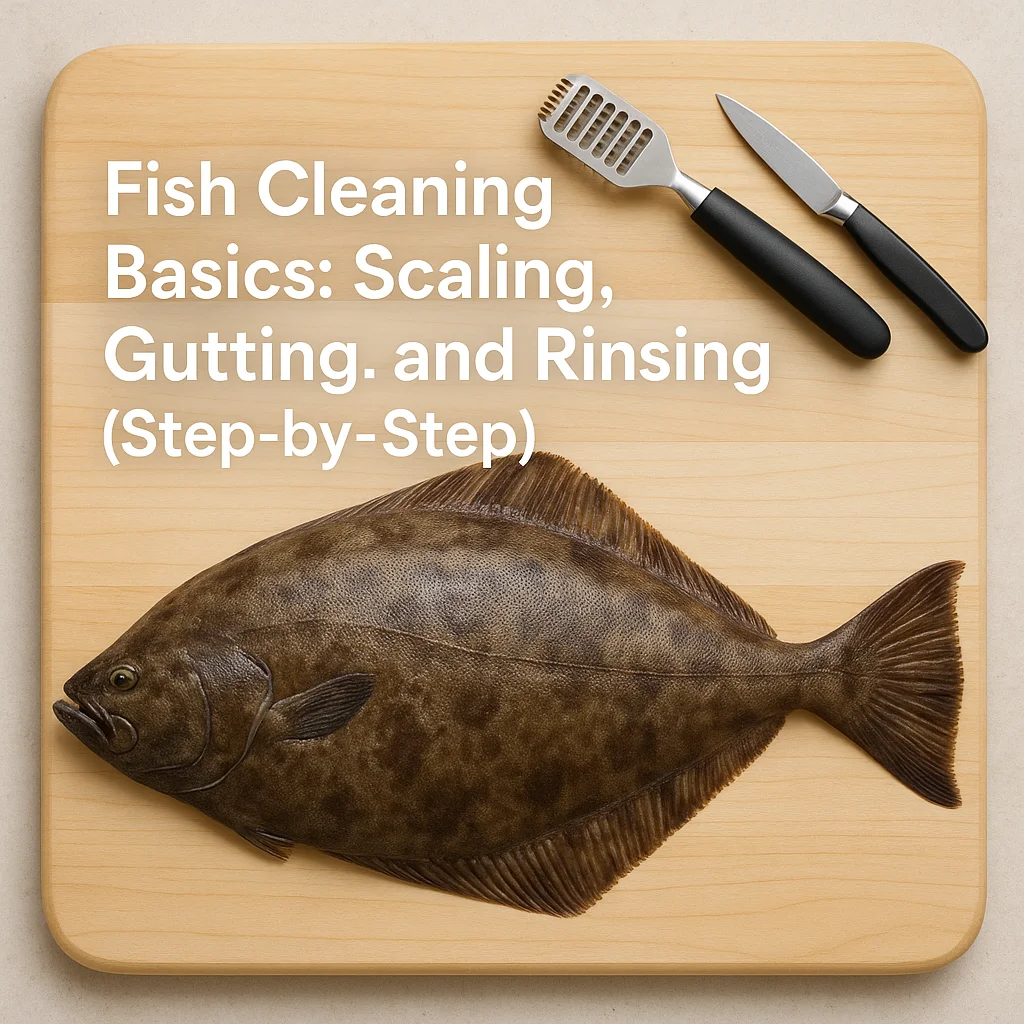
- Best for: Home cooks, seafood enthusiasts, first-time fish handlers
- Common problems solved: Improper cleaning, waste reduction, cooking preparation
- What you need: Sharp knife, scaler, cutting board, running water
🧠 Why This Matters
Cleaning fish properly is crucial for preserving quality, ensuring a pleasant dining experience, and maintaining food safety. Poor cleaning can result in off flavors, unpleasant textures, and reduced shelf life. Mastering these steps also allows you to enjoy fresher fish, often at a lower cost compared to pre-processed options.
✅ Step-by-Step Method
Cleaning fish involves several steps that are easy to manage with practice. Here's a detailed method to guide you:
- Step 1: Place the fish on a large cutting board. It's advisable to line your workspace with newspaper or paper towels to capture scales and make cleanup easier.
- Step 2: Begin scaling the fish. Hold the tail firmly and use the scaler or the back of a knife to scrape the scales towards the head. Work gently but firmly to remove all scales, ensuring the entire body of the fish is scale-free.
- Step 3: Make an incision along the belly from the anal fin up to the gills. This cut opens the fish for removal of the internal organs.
- Step 4: Carefully remove the guts with your hands or a spoon, being sure to get rid of all interior components. You can also snip the connection points around the gills for easier removal.
- Step 5: Rinse the fish thoroughly under cold running water, both inside and out, to remove any remaining scales, blood, or tissue. Pat the fish dry with paper towels.
🧾 Checklist
Use this checklist to ensure you've completed all necessary steps in the cleaning process:
- Gather necessary tools: knife, scaler, board
- Set up workspace with lining to catch debris
- Remove all scales completely
- Successfully make a belly incision
- Ensure all guts are fully removed
- Rinse fish thoroughly
⚠️ Common Mistakes & Fixes
- Mistake: Leaving scales on the fish. Fix: Use a scaler or the back of a knife more thoroughly, working against the direction of the scales.
- Mistake: Cutting too deeply when gutting. Fix: Use a shallow angle and focus on cutting just under the skin.
- Mistake: Incomplete removal of the entrails. Fix: Double-check for any remains inside and ensure a clean cavity.
🌍 Variations by Fish Type
The method of cleaning can slightly vary depending on the type of fish you are working with. Here’s how:
- Oily fish: Generally have a stronger odor and more vivid coloring; ensure thorough gutting to reduce oiliness on the surface.
- Lean white fish: Typically easier to clean due to less oil; focus on scale-free skin for a better finish.
- Thick steaks: May require additional rinsing and cutting through bone.
- Thin fillets: Handle gently to prevent breakage during cleaning.
🧊 Storage & Leftovers
After cleaning, refrigerate the fish immediately if not cooking right away. Ideally, store it on a bed of ice in the coldest part of the fridge and consume within 1-2 days. For longer preservation, freeze the cleaned and portioned fish in airtight containers or vacuum-sealed bags for up to 3 months. Thaw frozen fish in the refrigerator before cooking.
🛒 Buying Tips (if relevant)
When purchasing whole fish, look for signs of freshness. Clear, bulging eyes, bright red gills, and firm flesh are positive indicators. Avoid fish with a strong, pungent odor and dull, sunken eyes. Check for vivid skin coloration and absence of slime for the best quality.
🧼 Safety Notes
Avoid cross-contamination by regularly sanitizing your work surfaces and tools during the cleaning process. Use separate cutting boards for fish and other ingredients. Ensure the fish is cooked to an internal temperature of 145°F (63°C) to reduce the risk of foodborne illnesses.
❓ FAQs
- Question: Can I scale fish without a scaler? Answer: Yes, the back of a knife or spoon can effectively remove scales.
- Question: What is the best way to handle fish prior to gutting? Answer: Use a firm grip on the fish, holding it steady while working on a slip-resistant surface.
- Question: Is rinsing fish necessary? Answer: Yes, rinsing under cold water ensures all debris and impurities are removed.
📌 Summary
- Properly cleaning fish enhances taste and safety.
- Utilize a step-by-step approach for consistent results.
- Adopt specific techniques based on fish types and eventual dish preparation.