🐟 Whelk
Whelk is a type of sea snail that is gaining popularity in various culinary traditions worldwide. Known for its distinctive spiral shell and chewy texture, whelk is a marine gastropod found mainly in cold and temperate waters. It is often compared to escargot or sea clams, and its subtle oceanic flavor makes it a versatile ingredient in many dishes. Whelk is appreciated not only for its taste but also for its rich nutritional value, which makes it a desirable addition to a balanced diet.
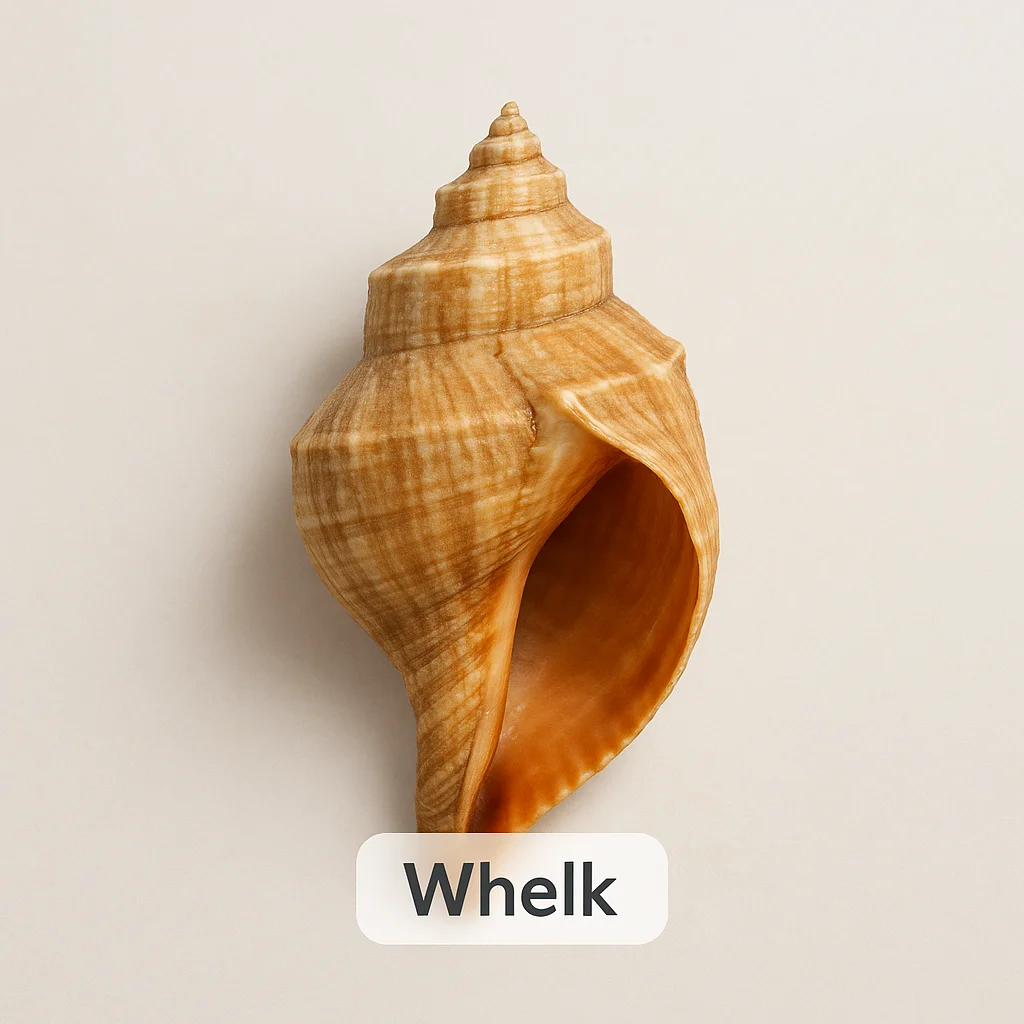
People eat whelks because they offer a unique taste experience and can be prepared in a variety of ways, from grilled to stewed. They are most commonly found in markets where seafood is a regional staple and can be bought fresh or frozen. Whether you're new to whelk or a seasoned enthusiast, understanding how to select, prepare, and enjoy this seafood can enhance your culinary repertoire.
🐠 Taste & Texture
Whelk has a taste that balances between briny and sweet, offering a mild oceanic flavor that many find pleasantly surprising. Its texture is firm and chewy, somewhat similar to that of calamari, making it ideal for a range of culinary applications. When fresh, whelk has a clean, marine scent that indicates its high quality.
- Quick Taste Profile:
- Mild ocean flavor
- Slightly sweet with a touch of saltiness
- Firm and chewy texture
- Subtle marine scent when fresh
🌊 Origin & Habitat
Whelks are predominantly found in the cold waters of the North Atlantic and Pacific Oceans, although they inhabit other temperate regions worldwide. Most whelk species prefer the coastal seabeds where they can burrow into the substrate. They are primarily wild-caught, as farming them is less common compared to other seafood like oysters or mussels. The wild capture imparts a distinct flavor profile that many aficionados prefer.
📅 Best Season
The seasonality of whelk can vary by region, but they are generally considered best caught and consumed during the colder months. During this time, the whelk's texture and flavor reach their peak, providing a superior culinary experience. Seasonality influences not only the quality but also the price and availability in markets.
🔪 Preparation
Preparing whelk involves a few simple steps to ensure that the meat is clean and ready for cooking. First, it's essential to thoroughly wash the whelks to remove any sand or debris. Once washed, they can be separated from their shells by boiling them briefly. After removing from the shell, the digestive parts should be trimmed away, leaving the edible foot muscle for cooking.
- Wash whelks to remove sand and debris
- Boil briefly for easy shell removal
- Trim non-edible parts before cooking
- Rinse to manage any lingering odor
Soaking whelks in milk or salt water can help mitigate any strong scents, although their natural aroma is generally mild and pleasant.
❄️ Storage Tips
To store whelk properly, keep them refrigerated if you plan to use them within a couple of days. Use a method that ensures they stay cool and moist, like storing them in a breathable container over ice.
- Do: Store in the coldest part of the fridge over ice
- Do: Use airtight containers for extended storage
- Don't: Keep at room temperature for extended periods
- Don't: Freeze without proper wrapping to prevent freezer burn
To freeze whelk, wrap them tightly in plastic and place them in a sealed bag to remove air. This prevents freezer burn and extends shelf life. Defrost slowly in a refrigerator overnight for best results.
🍽️ Popular Dishes
Whelk is a versatile ingredient featured in a variety of global cuisines. Here are some popular dishes that showcase its unique qualities:
- Grilled Whelk: High heat enhances the sweet taste and tenderizes the chewy texture.
- Whelk Stew: Simmered gently to bring out oceanic flavors without overpowering.
- Pan-Seared Whelk: Quick cooking method that retains the natural juices.
- Fried Whelk: Lightly battered to provide a crispy exterior and chewy interior.
- Whelk in Garlic Butter: Classic preparation highlighting its subtle sweetness.
- Ceviche-Style Whelk: Marinated with citrus; consume with caution due to raw preparation.
When considering raw preparations like ceviche, ensure that the whelk is of high quality, as consuming raw seafood can pose food safety risks.
🥗 Nutritional Benefits
Whelks are not only delicious but also packed with nutrients. They are an excellent source of protein while being low in fat, making them a healthy choice for seafood lovers.
- Rich in protein
- Low-fat content
- Source of vitamins and minerals
- Beneficial omega-3 fatty acids
These qualities make whelk a nutritious option for those looking to maintain balanced dietary intake without excessive calories.
⚠️ Who Should Eat & Caution
While whelks are a nutritious seafood choice, they do pose certain risks for individuals with seafood allergies. As they are considered shellfish, those allergic should avoid consumption. Moreover, care should be taken in shared kitchen environments to prevent cross-contact.
Whelk may contain varying levels of naturally occurring mercury, so pregnant individuals and young children should consume it in moderation. Additionally, eating raw or undercooked whelk can pose risks related to foodborne illnesses, so safe handling and thorough cooking are advised to minimize these risks.
📌 Summary
Whelk is a delightful addition to the seafood range, offering a gentle marine flavor and firm texture. Suitable for various cooking methods, it serves as a mainstay ingredient in many traditional and contemporary dishes. By following safe preparation and storage practices, you can enjoy this seafood at its best.
- Mild, sweet flavor with firm texture
- Best consumed during colder months
- Versatile in preparation, from grilled to stewed
- Rich in protein and other essential nutrients
- Exercise caution for allergies and safe handling