🐟 Squid
Squid is a popular seafood delicacy that is enjoyed by culinary enthusiasts around the world. Known for its versatile taste and texture, it can be a delightful addition to a variety of dishes. Generally classified as a type of shellfish, squid is often enjoyed fresh and offers many culinary possibilities. This article introduces readers to squid, offering insights into its taste, cooking methods, and nutritional benefits.
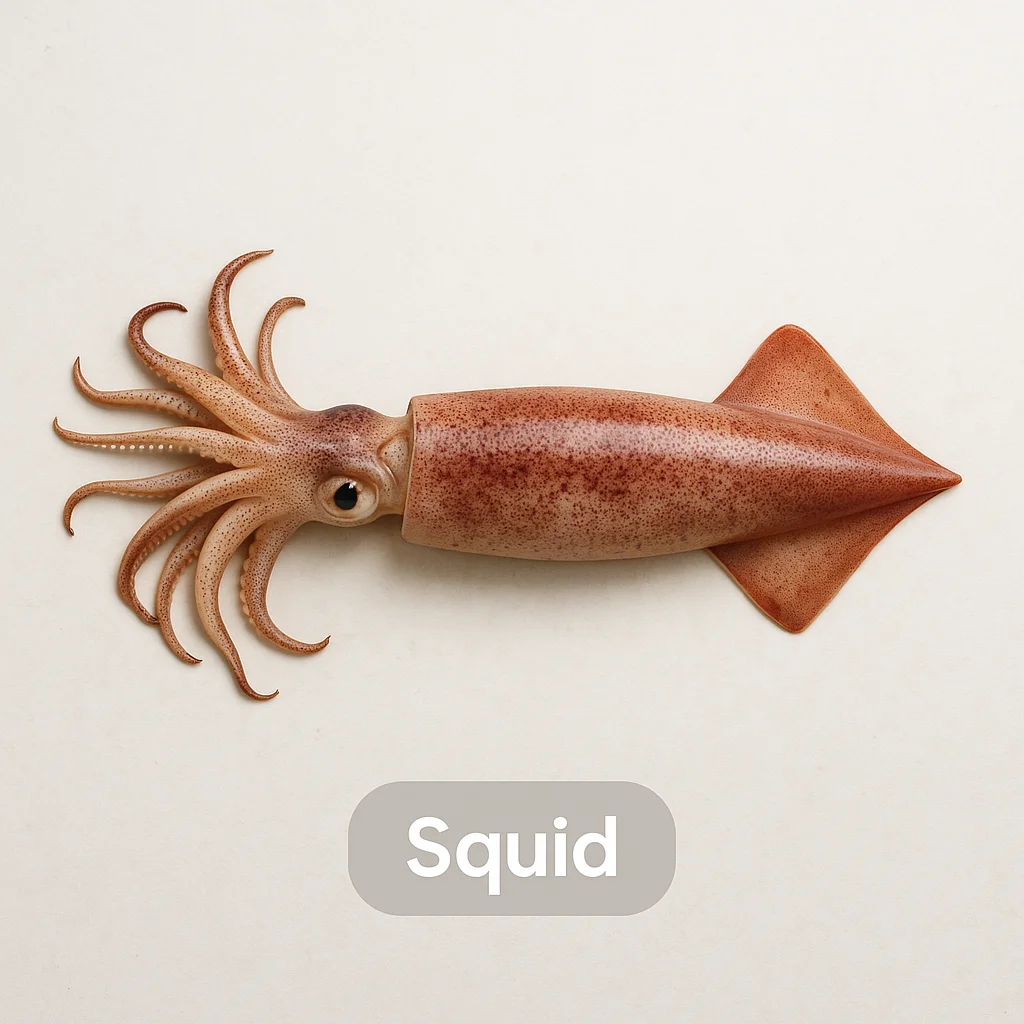
People eat squid because it offers a unique combination of flavors and textures that can be both rich and lean. Often referred to by other names such as calamari, squid is appreciated in many cultures for its adaptability in numerous recipes. From grilled to fried, it provides a culinary experience that's both distinctive and satisfying.
Sought after for its taste and nutritional value, squid has a place in many cuisines worldwide. Whether you've enjoyed it in a crispy fried dish or a delicate Italian pasta, squid's versatility makes it a favorite in both home kitchens and gourmet restaurants alike.
🐠 Taste & Texture
Squid is known for its mild, slightly sweet flavor with a hint of the sea. The texture of squid can vary depending on the cooking method. When properly cooked, it is tender and smooth, although overcooking can lead to a rubbery texture. Its aroma, when fresh, should be oceanic but not overpowering.
- Quick Taste Profile
- Mild sweetness
- Oceanic aroma
- Tender when cooked accurately
- Slightly firm texture
🌊 Origin & Habitat
Squid are found in a variety of marine environments ranging from coastal waters to deep-sea habitats. They can be harvested both from the wild and farmed, with wild-caught squid typically having a more pronounced flavor. Common regions for squid harvesting include the Pacific and Atlantic Oceans, as well as the Mediterranean Sea.
Wild squid can differ slightly in taste and texture compared to farmed varieties, often with a deeper oceanic flavor. However, farmed squid is more consistent in size and available year-round, making it a reliable option for restaurants and markets.
📅 Best Season
The seasonality of squid can vary by region. Generally, squid is more abundant from late spring through early fall. During this time, the texture may be more tender, and the price often decreases due to increased availability. When purchasing squid, it is always best to check with local markets for regional seasons to ensure the freshest catch.
🔪 Preparation
Preparing squid requires some basic steps to ensure it's ready for cooking. Always start by cleaning the squid. Remove the head and tentacles, taking out the beak, and peeling off the skin. Rinse thoroughly under cold water to remove any remaining innards.
- Remove head and tentacles
- Clean out the inside cavity
- Peel the skin for a clean appearance
- Slice into rings or prepare as per recipe requirements
Controlling the odor of squid can be managed by soaking it briefly in milk or rinsing with salted water. These methods help in enhancing the flavor while reducing any unwanted aromas during cooking.
❄️ Storage Tips
For short-term storage, keep squid in the fridge, ideally used within 1 to 2 days. On ice, ensure it is well-covered to prevent drying. For longer storage, wrap it tightly in airtight packaging and freeze. Properly frozen, squid can last up to 3 months.
- Do keep squid chilled until ready to use
- Do wrap tightly to avoid freezer burn
- Don't keep at room temperature for prolonged periods
- Don't refreeze thawed squid
🍽️ Popular Dishes
Squid lends itself excellently to many international dishes. Consider trying it grilled to emphasize its tender texture or deep-fried as crispy calamari. Make a Mediterranean stew for a heartwarming meal, or enjoy it sautéed in a stir-fry. For Japanese cuisine lovers, squid sushi rolls or tempura offer unique textures and flavors.
- Grilled squid: High heat to sear
- Fried calamari: Crispy outer texture
- Squid stew: Gentle simmering
- Sautéed stir-fry: Quick, high heat
- Squid sushi/tempura: Care needed for raw use
- Ceviche-style: Use with caution, ensure freshness
🥗 Nutritional Benefits
Squid is a rich source of protein while also being low in calories. It contains essential nutrients such as vitamins B12 and B6, and minerals like zinc and phosphorus. It is generally lean with a good balance of omega-3 fatty acids.
- High protein content
- Rich in omega-3 fatty acids
- Good source of vitamins B12 and B6
⚠️ Who Should Eat & Caution
Squid can be enjoyed by most people; however, caution is advised for those with shellfish allergies, as cross-contact in kitchens is possible. For mercury concerns, squid is generally considered low risk compared to larger predatory fish, but consumption in moderation is always recommended. Ensure safe handling practices when preparing raw or undercooked squid to avoid foodborne illness.
📌 Summary
Squid is a delightful seafood choice, offering a mild, tender flavor that's cherished in various dishes worldwide. Freshness, proper preparation, and storage are key to enjoying this versatile ingredient. From grilled to fried, squid provides ample opportunity for culinary creativity.
- Versatile ingredient with a mild taste
- Widely used in global cuisines
- Ensure freshness for a superior experience