🐟 Soft Shell Clam
The Soft Shell Clam, also known as Mya arenaria, is a species of edible clam found in coastal regions worldwide. Commonly referred to as "steamers" or "longnecks," these clams are cherished for their tender meat and sweet, briny flavor. Their shells are fragile and thin, making them distinct from hard shell clam varieties. Valued not only for their taste but also for their versatility in culinary applications, soft shell clams are a preferred choice in many seafood dishes.
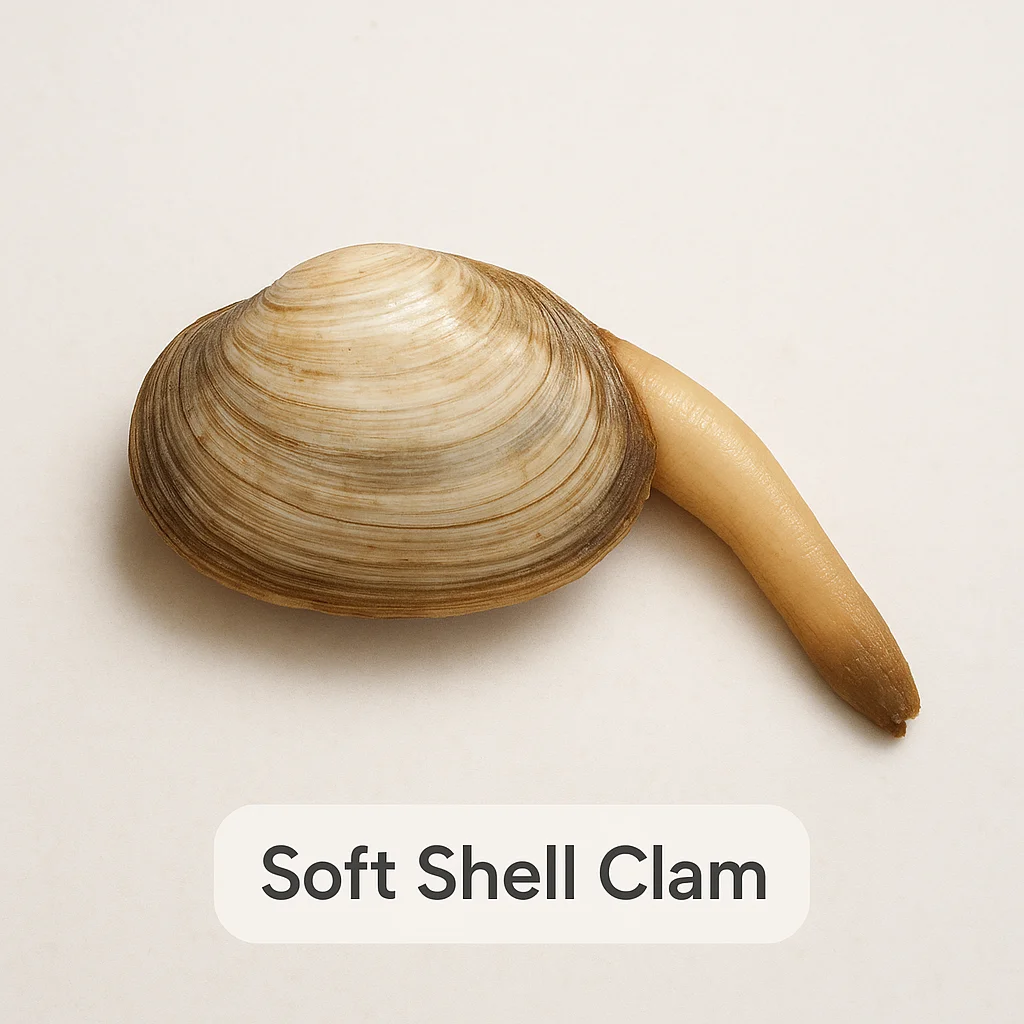
People eat soft shell clams because of their unique taste, which perfectly balances sweetness and salinity, along with a hint of oceanic richness. This delicate flavor profile makes them suitable for various cooking methods, from steaming to frying. As a source of lean protein and essential nutrients, they are also appealing for their nutritional benefits. Soft shell clams are a popular choice in coastal gastronomy, adding distinct flavors to broths, stews, and fried dishes.
🐠 Taste & Texture
Soft shell clams possess a flavor profile that is mild yet flavorful. The taste is predominantly sweet, with a subtle saltiness that reflects their oceanic origin. Compared to other clams, they have a distinct lean quality, with little fattiness, resulting in a clean and refreshing palate experience. The texture is tender and smooth, lacking the toughness that some other shellfish might have. When fresh, they emit a pleasant, slightly earthy oceanic scent, enhancing their appeal in culinary use.
- Flavor: Sweet and briny
- Texture: Tender and smooth
- Aroma: Fresh, earthy ocean scent
- Mouthfeel: Light and clean
🌊 Origin & Habitat
Soft shell clams are typically found in coastal waters, often buried in sandy and muddy substrates. They thrive in estuarine environments where saltwater and freshwater mix, providing ideal conditions for their growth. Soft shell clams are primarily harvested from the wild, with availability along the eastern coast of North America, particularly from Canada to the United States. They are less commonly farmed compared to other shellfish species but remain a popular catch due to their ease of harvest and culinary demand.
📅 Best Season
The availability of soft shell clams can vary by region, but they are often most plentiful during the warmer months, from late spring through early autumn. Seasonal abundance affects not only their availability but also their texture and flavor, often peaking when water temperatures rise. Understanding peak season is essential for accessing the freshest and most flavorful clams. When out of season, they can still be harvested, but local regulations and sustainability considerations may influence availability.
🔪 Preparation
Preparing soft shell clams involves a few essential steps to ensure they are clean and ready for cooking. Start by rinsing the clams under cold water to remove any sand or debris. Use a soft brush if necessary to gently scrub the shells. Soak them in saltwater for a few hours to encourage them to expel any residual sand. Handling clams carefully is crucial, as their shells are fragile. Keep tools clean and maintain hygiene by washing hands frequently and using separate cutting boards for seafood and other ingredients.
- Rinse clams under cold water
- Scrub gently with a soft brush
- Sensitively handle fragile shells
- Soak in saltwater to remove sand
To control any strong ocean odors, you can soak the clams in milk or lightly salt them before rinsing. However, keep in mind that fresh clams should have a mild oceanic aroma, which is a sign of freshness.
❄️ Storage Tips
To maintain freshness, store soft shell clams in the refrigerator for no more than two days. It's best to keep them on ice, covered with a damp cloth to prevent them from drying out. Ensure they have some space for air circulation. For longer storage, you may freeze them by placing them in airtight bags, removing as much air as possible to prevent freezer burn. Always thaw frozen clams in the refrigerator for best results, and consume within one month for optimal quality.
- Do store in the fridge on ice, covered by a damp cloth
- Don’t leave clams out of refrigeration for extended periods
- Do freeze in airtight bags, removing excess air
- Don’t store clams in water
🍽️ Popular Dishes
Soft shell clams are an integral component of many traditional and contemporary culinary creations, celebrated for their delicate taste and versatile nature. Some popular dishes include:
- Steamed Clams: Gently steamed with a touch of garlic and butter to enhance their natural sweetness.
- Clam Fritters: Mixed into a batter and fried until crispy for a delightful contrast of textures.
- Clam Chowder: A creamy soup that pairs the sweetness of the clams with potatoes and bacon.
- Stuffed Clams: Baked with a mixture of herbs, breadcrumbs, and cheese for a flavorful appetizer.
- Clam Linguine: Tossed with pasta, garlic, and parsley to allow the tenderness of the clams to shine.
- Clam Bake: A traditional method involving cooking clams with corn and potatoes in a seaweed-lined pit.
Note: If consuming raw or undercooked clams, ensure they are from a reputable source to minimize health risks associated with seafood consumption.
🥗 Nutritional Benefits
Soft shell clams offer a wealth of nutritional benefits, being rich in protein while low in fat, making them an excellent dietary choice for those seeking lean protein sources. They contain essential vitamins and minerals that can contribute to overall health and well-being. Although it is crucial to consume seafood as part of a varied diet, clams can be an excellent addition to many meals given their nutritional profile.
- Rich in protein
- Contains Vitamin B12 and Iron
- Source of Omega-3 fatty acids
⚠️ Who Should Eat & Caution
While soft shell clams can be part of a healthy diet, it's important to note that shellfish allergies are common. Individuals with shellfish allergies should avoid consuming clams. Always be mindful of potential cross-contact in kitchens where shellfish are prepared. Due to minimal mercury content, clams can be a safer seafood choice for most people, including pregnant individuals, but always follow dietary advice as provided by healthcare professionals. Raw or undercooked clams pose health risks due to potential pathogens; hence, handling should be careful and cooking thorough.
📌 Summary
Soft shell clams are a delectable choice for seafood lovers, prized for their sweet and briny flavor, tender texture, and versatility in various dishes. Whether enjoyed steamed, fried, or in hearty chowders, they add a unique and delightful oceanic touch to culinary experiences. Maintaining their freshness with proper storage methods and handling them carefully is essential for the best taste and safety.
- Key Taste: Sweet and briny with a tender texture
- Storage: Two days on ice in the fridge, freeze for longer
- Cooking Highlight: Versatile – suitable for steaming, frying, and baking