🐟 Scallop
Scallops are a type of shellfish enjoyed around the world for their distinct taste and texture. These marine bivalves are recognizable by their fan-shaped shells and are known for their tender, slightly sweet meat. Scallops are a popular choice in seafood cuisine, appreciated for their versatility and ability to absorb flavors, making them a staple in various dishes from appetizers to main courses.
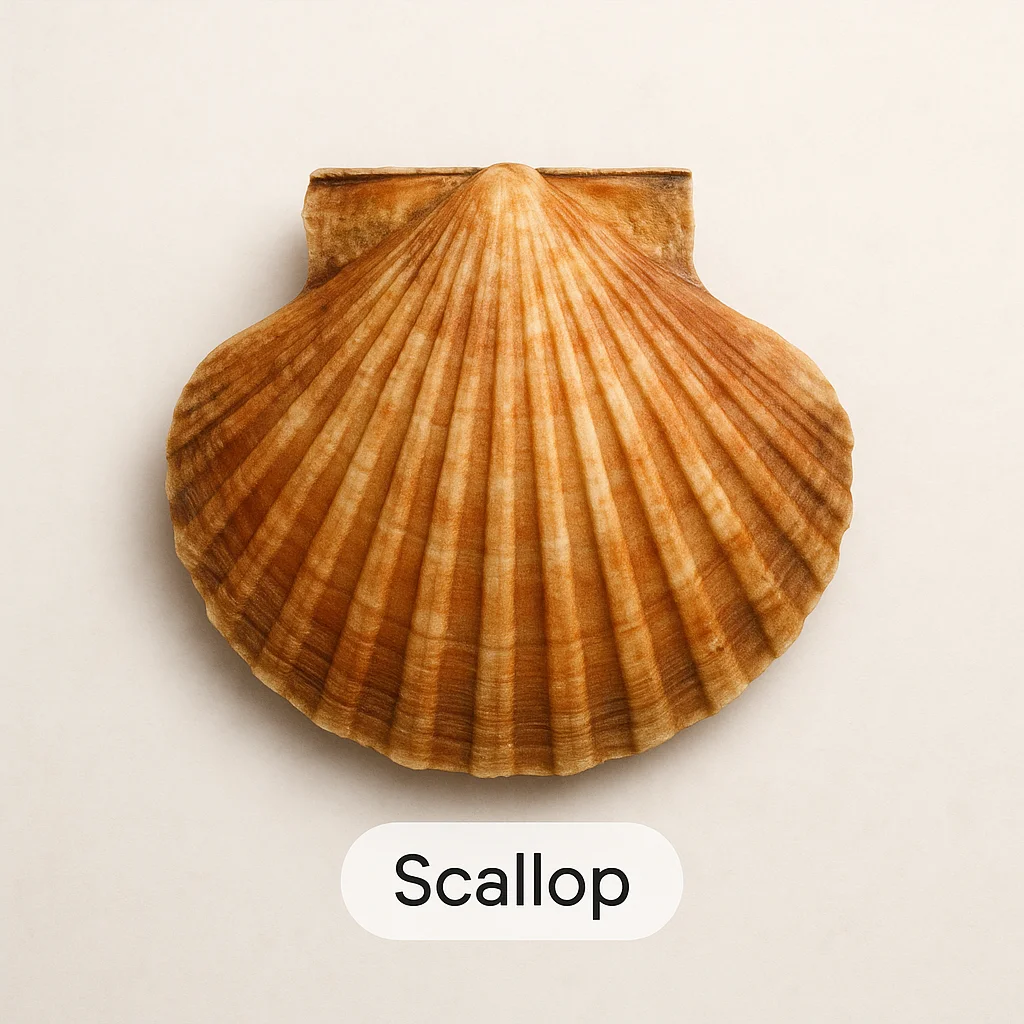
The reason behind the scallop's popularity lies in its delicate flavor and soft texture. People consume them for their taste as well as the array of nutrients they offer. Scallops are typically harvested from coastal waters and are available in both wild and farmed varieties, each offering unique characteristics in flavor and texture.
🐠 Taste & Texture
Scallops are cherished for their mild and sweet flavor, making them an excellent choice for those who prefer a more subtle seafood taste. They possess a delicate, slightly buttery profile with a lean texture. When cooked properly, scallops become tender and almost silky, offering a delicate mouthfeel.
- Slightly sweet and delicate flavor
- Tender and silky texture when cooked properly
- Fresh scallops should not have a strong fishy odor
🌊 Origin & Habitat
Scallops are predominantly found in coastal waters. They thrive in sandy or muddy ocean bottoms where they can filter-feed. While scallops are harvested all over the world, major producers include the United States, Canada, and Japan. Wild scallops are typically gathered by dredging or diving, whereas farmed scallops are cultivated in controlled conditions, which can sometimes affect their flavor and texture slightly, often resulting in a milder and more consistent product.
📅 Best Season
The best season for scallops generally varies by region, but many consider late fall through winter as the prime time for harvesting. During these months, scallops tend to have a higher fat content, which enriches their flavor and tenderness. However, as seasonality varies, it’s best to check local sources for peak availability, which can lead to fresher and often more economically priced scallops.
🔪 Preparation
Preparing scallops is relatively straightforward, but attention to detail is essential to maximize their quality. Here are some basics to get you started:
- Rinse scallops under cold water to remove any grit or sand.
- Pat them dry with paper towels to ensure a good sear.
- Remove the small, tough side muscle, known as the "foot," if present.
Odor Control: If scallops have a slight fishy odor, a quick soak in milk or a light brine of saltwater can help neutralize unwanted smells. However, this is often unnecessary if purchasing fresh scallops.
❄️ Storage Tips
Proper storage of scallops is crucial to maintain their freshness and quality:
- Store scallops in the fridge for up to two days, ideally on ice.
- For longer storage, freeze scallops in airtight packaging, ensuring no air is present to prevent freezer burn.
- Thaw frozen scallops overnight in the refrigerator before cooking.
🍽️ Popular Dishes
Scallops are incredibly versatile, used in various global dishes:
- Pan-Seared Scallops: High heat cooking to create a golden crust while keeping the inside tender.
- Baked Scallops: Gentle heat ensures a soft texture, often cooked with butter and herbs.
- Grilled Scallops: Imparts a smoky flavor, perfect for summer meals.
- Scallop Ceviche: Fresh scallops marinated in citrus, with a caution on sourcing and safety.
- Scallop Chowder: Mild scallops complement creamy chowder bases.
🥗 Nutritional Benefits
Scallops are packed with nutrition, offering a healthy choice for seafood lovers. They are a great source of lean protein, which contributes to building and maintaining muscle. Scallops also provide essential vitamins and minerals that support various body functions.
- High in protein, fostering muscle growth
- Good source of vitamin B12, aiding in blood cell formation
- Contains omega-3 fatty acids, which are beneficial for heart health
⚠️ Who Should Eat & Caution
While scallops are nutritious, certain groups should exercise caution. Individuals with shellfish allergies should avoid scallops due to potential allergic reactions. Regarding mercury content, scallops generally have lower levels compared to larger predatory fish, but varied seafood consumption is advised. When consuming raw preparations, ensure they are sourced from reputable suppliers to minimize the risk of foodborne illness.
📌 Summary
Scallops offer a delightful and versatile seafood experience. Their mildly sweet flavor and tender texture make them an ideal addition to many dishes. Whether pan-seared, grilled, or part of a chowder, scallops lend themselves well to various culinary applications. Remember, store scallops properly and aim to consume them fresh or after a safe freezing process.
- Scallops are sweet and tender seafood, popular worldwide.
- Ensure freshness by storing properly and choosing the right season.
- Allergy caution: Suitable for varied diets, but allergen awareness is key.