🐟 Oyster
Oysters are a type of shellfish known for their unique, briny flavor and rich texture, making them a popular choice around the world. Often found in coastal waters, these bivalves are celebrated not only for their taste but also for their culinary versatility, offering a range of preparation possibilities from raw to cooked dishes. People eat oysters for their delectable taste, potential nutritional benefits, and the culinary experience they provide.
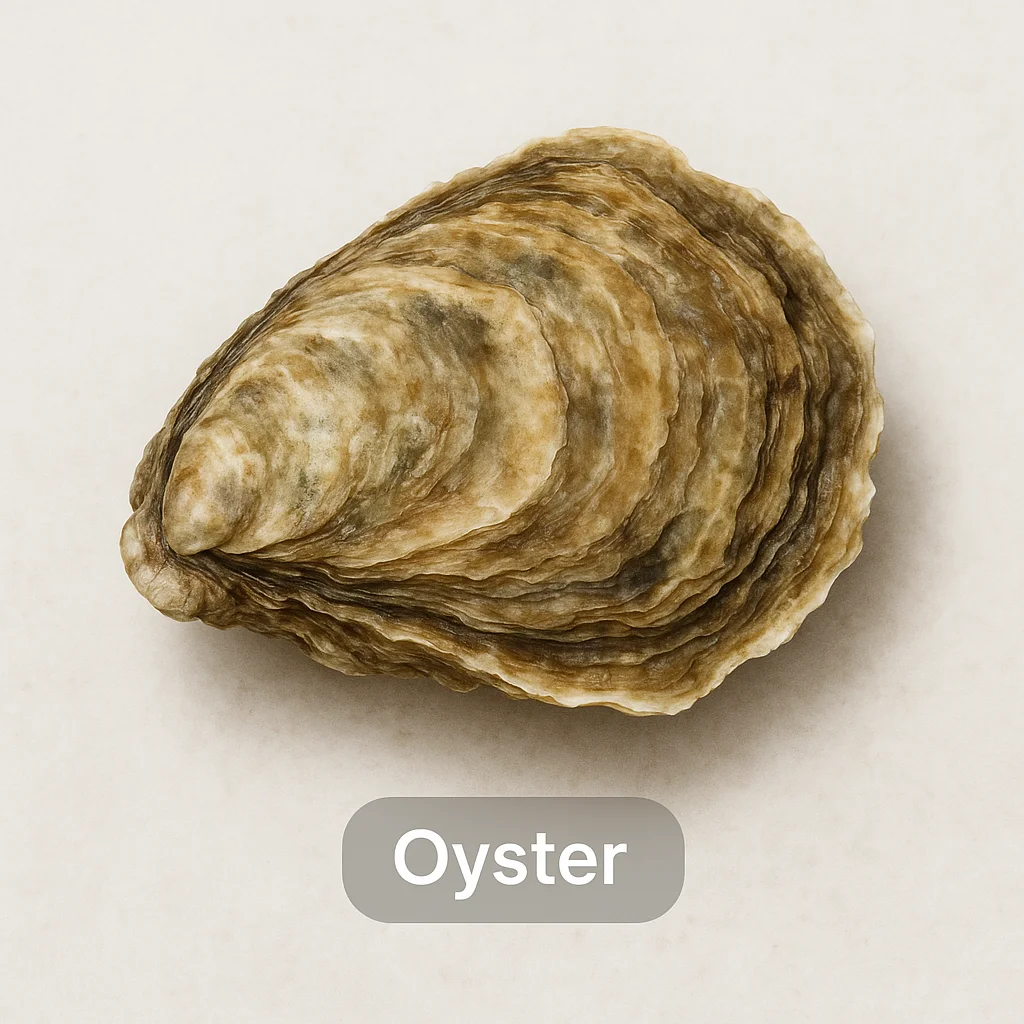
Besides their delightful taste, oysters are also valued for their environmental benefits. They play a crucial role in aquatic ecosystems by filtering water and helping to maintain the health of coastal environments. This makes oysters not just a delicacy, but also an interesting subject for those passionate about sustainable seafood consumption.
🐠 Taste & Texture
Oysters have a distinct flavor profile that is often described as a combination of salty, sweet, and metallic notes. Their taste can vary significantly based on their habitat, as the water composition and diet influence their natural flavor. The texture is typically firm yet creamy, offering a delightful mouthfeel that makes them a favorite for seafood lovers around the globe.
- Quick Taste Profile:
- Salty with a hint of sweetness
- Creamy and firm texture
- Mildly metallic and unique flavor
- Variations in taste according to habitat
🌊 Origin & Habitat
Oysters thrive in a variety of aquatic environments, primarily in coastal and estuarine regions. They are found in both wild and farmed settings, with each environment offering unique taste and texture characteristics. Wild oysters often have more complex flavors due to their natural habitats, whereas farmed oysters provide a more consistent taste and quality due to controlled growing conditions.
Common regions for harvesting oysters include the Gulf Coast and Atlantic Coast of the United States, the Pacific Northwest, European waters around France and the UK, and parts of Australia and Asia. These regions have a long history of oyster farming and offer the climate and nutrients needed for oyster habitats.
📅 Best Season
The seasonality of oysters can significantly affect their taste, texture, and availability. Traditionally, oysters are best consumed in cooler months, often remembered by the ‘R’ rule—months with an ‘R’ in their name (September to April). During these cooler months, oysters typically have a firmer texture and richer flavor.
However, modern farming techniques have enabled year-round availability in many regions. As always, "seasonality varies by region," and it's wise to consult local sources or reputable seafood vendors for the best quality oysters throughout the year.
🔪 Preparation
Preparing oysters typically involves shucking, a process of removing the oyster from its shell. This can be done safely with a few basic tools, such as a shucking knife and protective gloves. Carefully sliding the knife into the hinge and twisting slightly will open the shell, allowing the oyster to be gently removed.
- Preparation Checklist:
- Use a sturdy shucking knife and gloves
- Insert knife at the hinge and twist gently
- Slide knife under the oyster to release it from the shell
- Rinse if necessary, but avoid soaking
To control odor when preparing oysters, a quick rinse or a gentle soak in lightly salted water can help, although care should be taken not to overly dilute the natural flavor of the oyster. A light milk soak can also neutralize any strong odors without significantly altering taste.
❄️ Storage Tips
For maximum freshness, oysters should be consumed as soon as possible. If you need to store them, keep oysters in the refrigerator on a bed of ice. Cover them with a damp cloth to maintain moisture. Ensure their shells are intact and closed, as open shells signal that the oyster is no longer alive.
If freezing, it's essential to pack oysters in airtight bags to minimize air exposure and prevent freezer burn. Thaw them gradually in the refrigerator before use to maintain texture and flavor.
- Do/Don't List:
- Do not store in water—they may open and spoil
- Do store on ice or wrapped in a damp cloth in the fridge
- Do not refreeze once thawed
- Do eat as soon as possible for best quality
🍽️ Popular Dishes
Oysters can be enjoyed in a myriad of culinary traditions. They are often served raw on the half shell, typically with a splash of lemon juice or a dash of hot sauce. Grilled or baked oysters are popular for a warm, smoky flavor, often prepared with toppings like garlic butter or breadcrumbs.
Some popular oyster dishes include:
- Oysters Rockefeller: Baked with butter, herbs, and breadcrumbs
- Oyster Po' Boy: A fried oyster sandwich
- Grilled Oysters: Char-grilled with savory toppings
- Oyster stew: Crafted with cream, butter, and seasoning
- Raw Oyster Bar: Served with various condiments
- Oyster Pancakes: A savory snack in Chinese cuisine
- Fried Oysters: Breaded and fried until crispy
Caution: When consuming raw oysters, ensure they are sourced from reputable suppliers to minimize the risk of foodborne illness.
🥗 Nutritional Benefits
Oysters are a nutritious addition to any diet. They are rich in protein, essential vitamins, and minerals, including zinc, iron, and vitamin B12, contributing to a balanced and healthful eating plan. Oysters are also known for their omega-3 fatty acid content, which is beneficial for heart health.
- Notable Nutrients:
- Rich in protein
- High in zinc and iron
- Good source of vitamin B12
- Contains omega-3 fatty acids
⚠️ Who Should Eat & Caution
While oysters provide many dietary benefits, they do pose allergy risks for some individuals, particularly those with shellfish allergies. It's important to be cautious and consult with healthcare providers if necessary. Pregnant individuals and young children should limit consumption due to potential mercury content variants, though usually less in oysters than in larger predator fish.
Proper handling and preparation are essential to avoid risks associated with consuming raw or undercooked oysters, such as foodborne illnesses. Always ensure that oysters are properly handled and sourced from reputable suppliers.
📌 Summary
Oysters offer a unique combination of flavor, texture, and nutritional benefits, making them a beloved delicacy around the world. They can be enjoyed in various culinary formats, each highlighting their natural taste and creamy texture. Proper storage and preparation ensure the best experience, and they should be sourced responsibly to support sustainable practices.
- Key Takeaways:
- Distinctive salty and sweet flavor with a creamy texture
- Best consumed fresh, with careful handling
- Offers nutritional benefits like protein and essential minerals
- Seasonality and sustainability vary by region