🐟 Bay Scallop
The Bay Scallop, a small and delectable shellfish, is a staple in many seafood cuisines worldwide. Known for its sweet and delicate flavor, the Bay Scallop is often cherished for its tender texture and versatility in various dishes. These scallops belong to the mollusk family and are generally smaller compared to their sea scallop counterparts. People enjoy Bay Scallops for their quick cooking time and subtle sweetness that complements a wide range of recipes.
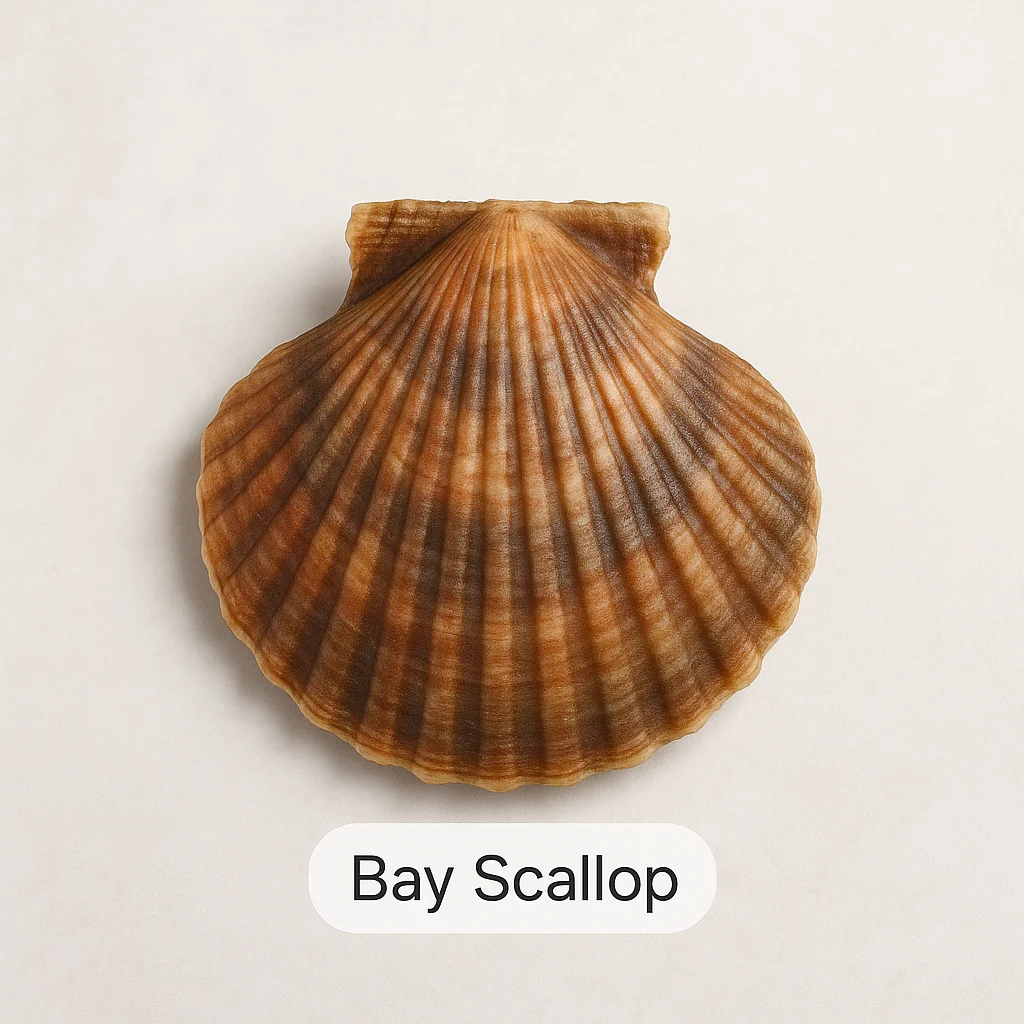
Bay Scallops are appreciated not only for their taste but also for their nutritional benefits. These scallops provide protein and important vitamins while offering a taste profile that matches well with both simple and gourmet preparations. Whether cooked or raw, they are a popular choice among seafood lovers who value quality and flavor in their meals.
🐠 Taste & Texture
The Bay Scallop is renowned for its mildly sweet flavor and tender texture. Unlike other shellfish, it is relatively low in fat, classifying it as a lean seafood option. When cooked, the meat of the Bay Scallop becomes opaque and provides a succulent mouthfeel with a slightly firm bite. The aroma should be fresh and not fishy, signaling its freshness effectively.
- Quick taste profile:
- Sweetness: Mild
- Saltiness: Low
- Fattiness: Lean
- Mouthfeel: Tender, yet firm
- Flake size: Small to medium
- Fresh smell: Sweet ocean breeze
🌊 Origin & Habitat
Bay Scallops are typically found in shallow coastal waters and estuaries, particularly where eelgrass meadows exist. They thrive in regions with sandy or silty bottoms and are often harvested from the Atlantic coast of the United States, with a notable abundance in New England. The Bay Scallop can be caught both in the wild and farmed conditions, with farmed scallops providing a more consistent taste and texture due to controlled environment.
Global harvesting regions include parts of Asia and Europe, where similar ecological conditions exist. Farmed Bay Scallops tend to be more readily available year-round, while wild-caught variations might be subject to local fishing regulations and seasonal availability.
📅 Best Season
The peak season for Bay Scallops typically occurs in the late fall to early winter months. During this time, the scallops have matured in flavor and texture, offering the best quality for culinary use. The importance of purchasing during peak season lies in the enhanced taste, optimal texture, and often more favorable pricing. However, it is essential to note that seasonality can vary by region, and understanding local supply can guide you towards making informed choices.
🔪 Preparation
Preparing Bay Scallops is a straightforward process, but attention to detail can enhance the flavor and safety of the dish. Begin by rinsing the scallops in cold water to remove any residual sand. It is important to not soak them for extended periods to avoid flavor loss. For odor control, a quick rinse or soak in lightly salted water can suffice.
- Rinse scallops under cold water
- Pat dry with a clean towel
- Use a sharp knife for uniform cuts
- Trim any tough parts if present
- Maintain cleanliness to prevent cross-contamination
If a slightly off-putting odor is noticed, a brief soak in milk might help, though it should not be necessary with fresh scallops sourced from reputable vendors.
❄️ Storage Tips
When storing Bay Scallops, it is crucial to maintain their freshness. In the refrigerator, they should be consumed within one to two days. Store them in an airtight container wrapped in a damp paper towel or on a bed of ice that is regularly drained.
If freezing, seal scallops in an airtight freezer bag, removing as much air as possible to prevent freezer burn. Frozen Bay Scallops can be stored for up to three months. When ready to use, thaw them slowly in the refrigerator to maintain texture and flavor.
- Do: Store in airtight containers
- Do: Keep on ice for short-term refrigeration
- Don't: Leave at room temperature for extended periods
- Don't: Refreeze thawed scallops
🍽️ Popular Dishes
Bay Scallops can be elevated in a variety of culinary creations. Here are a few popular dishes you might explore:
- Seared Bay Scallops: Pan-seared at high heat to create a golden crust while remaining tender inside.
- Scallop Ceviche: Gently cured in citrus juice; a fresh, zesty dish best made with fresh, high-quality scallops for safety.
- Scallop Risotto: Added to a creamy, gently simmered risotto, highlighting their natural sweetness.
- Grilled Scallops: Prepared over medium heat, often with a marinade or lemon butter for added richness.
- Scallop Stew: Slowly simmered with vegetables and herbs, offering a comforting and rich meal.
- Scallop Poke Bowl: Sliced and served raw or lightly seared in a bowl with rice, vegetables, and a savory sauce.
When preparing raw dishes, always prioritize food safety by sourcing sashimi-grade scallops and confirming their freshness.
🥗 Nutritional Benefits
Bay Scallops provide various nutritional benefits and are a good source of protein, which is essential for muscle repair and maintenance. They also contain vitamins and minerals that contribute to a balanced diet.
- Rich in protein
- Contains vitamins B12 and D
- Provides omega-3 fatty acids
- Source of important minerals like magnesium and zinc
While Bay Scallops contribute to a nutrient-rich diet, they should be consumed as part of a balanced dietary plan.
⚠️ Who Should Eat & Caution
Individuals with shellfish allergies should avoid Bay Scallops due to the potential for allergic reactions. In kitchens where cross-contact is possible, care should be taken to prevent exposure. Moreover, due to the low mercury content typically found in scallops, they can generally be safely consumed by most individuals, including pregnant women, but moderation is always advised.
Consuming raw or undercooked scallops may pose a risk for foodborne illness, so always ensure that cooking and handling practices meet safe food handling standards. Using separate cutting boards and utensils for raw seafood is recommended to avoid cross-contamination.
📌 Summary
The Bay Scallop, with its sweet flavor and tender texture, is a versatile seafood ingredient enjoyed in many global cuisines. From preparation to storage, understanding the best practices can enhance your culinary experience while maintaining the scallop's freshness and safety. Whether part of a seasonal dish or a kitchen staple, the Bay Scallop offers a delightful taste of the sea.
- Tender, mildly sweet, lean shellfish
- Found in coastal waters; seasonality varies
- Best in fall/winter; manageable storage tips
- Delicious seared, grilled, or in risotto
- Protein-rich; potential allergen; shellfish care