🐟 Abalone
Abalone, a type of shellfish, is often prized for its rich flavor and distinct taste, making it a sought-after delicacy worldwide. This marine mollusk, known for its ear-shaped shell, is enjoyed in various culinary traditions, particularly in Asian and Pacific coastal cuisines. Abalone is not only appreciated for its unique taste but also its tender texture, which can elevate a variety of dishes.
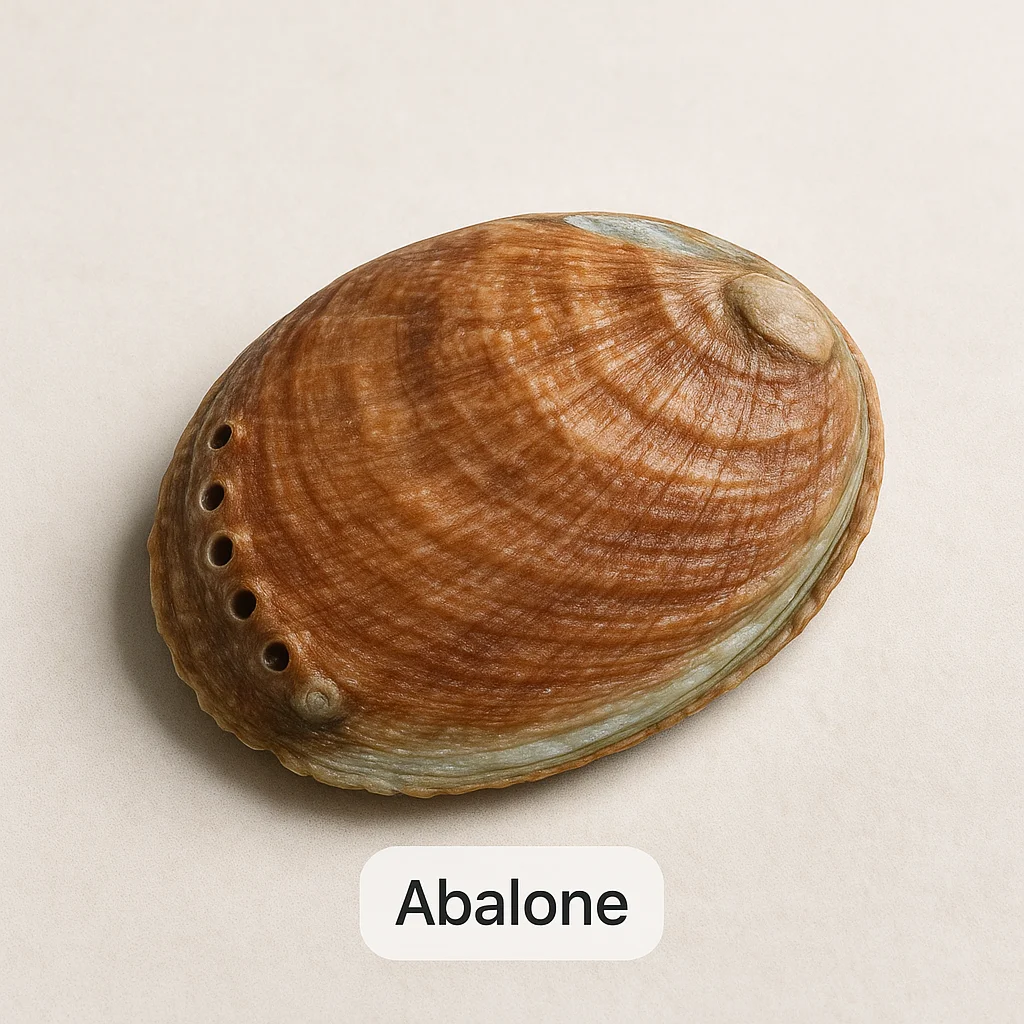
People eat abalone for its sumptuous taste and the culinary prestige it brings to a meal. Varieties of names include "paua" in New Zealand, "ormer" in the UK, and "awabi" in Japan, reflecting its wide global presence. Whether served raw in sashimi-style dishes or cooked in stews, the allure of abalone remains universally appealing.
🐠 Taste & Texture
Abalone is celebrated for its mild oceanic flavor with subtle sweetness and a slightly briny undertone. The texture is tender yet firm, with a natural umami richness that enhances its appeal. As with many shellfish, when fresh, abalone gives off a clean and fresh ocean scent.
- Flavor Intensity: Mild to moderate
- Sweetness/Salinity: Mildly sweet, slightly briny
- Mouthfeel: Tender yet slightly chewy
- Smell when Fresh: Clean, oceanic
🌊 Origin & Habitat
Abalone thrives in coastal waters where it clings to rocky surfaces. Often found in temperate zones, its natural habitat includes kelp-rich environments. While countries like Australia, South Africa, and the USA boast significant wild populations, abalone farming has been developed around the world to meet demand.
Farm-raised abalone often exhibits differences in taste and size due to controlled diets and growth environments. However, both wild and farmed varieties remain popular and available, each with unique qualities.
📅 Best Season
Abalone seasonality varies by region, often influenced by local regulations and environmental conditions. However, these mollusks are commonly harvested during specific months for optimal size and flavor. The peak season for abalone often signifies a balance between the best taste and most abundant availability. Understanding peak season can lead to better flavor, texture, and often more competitive pricing.
🔪 Preparation
Preparing abalone requires care and attention to its delicate shell and flesh. Start by shucking the abalone, removing it from the shell with a gentle twist or scraping motion. Trim away the dark edges and guts, and rinse thoroughly under cold water.
- Carefully remove the abalone from its shell.
- Trim away the gut and dark fringe.
- Rinse under cold water to clean fully.
- Pat dry before cooking or storing.
Odor control for abalone can enhance its flavor, with options like a brief soak in milk or salt to neutralize any strong fishy scents. A quick rinse under fresh water can also help maintain freshness without compromising taste.
❄️ Storage Tips
For optimal freshness, store abalone in the refrigerator for up to two days. When refrigeration isn't an option, place abalone on ice in an airtight container to preserve its quality. To freeze, wrap each portion tightly to minimize air exposure and date the packaging.
- Do: Store in the fridge with ice or an airtight container.
- Do: Wrap tightly when freezing to avoid freezer burn.
- Don't: Leave at room temperature for extended periods.
- Don't: Refreeze previously frozen abalone.
🍽️ Popular Dishes
Abalone flavors shine in numerous global dishes. Grilled over high heat, it offers a smoky finish, while gentle stewing results in succulent tenderness. Common culinary ventures include abalone sashimi, often deemed a delicacy, especially in Japanese cuisine.
- Grilled Abalone: High heat gives a smoky flavor.
- Stewed Abalone: Slow cooking brings out tenderness.
- Pan-Seared Abalone: Crisp outer with a tender interior.
- Abalone Ceviche: Citrus marination elevates freshness.
- Abalone Porridge: Comforting, perfect for milder flavors.
- Fried Abalone: Offers a delightful crunch.
🥗 Nutritional Benefits
As a source of lean protein, abalone is valued for its nutritional profile, offering essential vitamins and minerals in every serving. Rich in iron, calcium, and vitamin B12, it supports various aspects of wellbeing.
- High in protein and low in fat.
- Contains essential minerals like iron and magnesium.
- Source of vitamin B12 and trace omega-3 fatty acids.
⚠️ Who Should Eat & Caution
As with other shellfish, individuals with shellfish allergies should avoid abalone. It's important to be aware of kitchen cross-contact that might trigger allergies. While abalone may contain low mercury levels, it's wise for pregnant individuals and young children to consume in moderation.
Raw or undercooked abalone carries the risk of foodborne illness, reinforcing the importance of proper handling and thorough cooking. Maintaining separate tools and cutting boards for raw seafood preparation ensures safety and prevents cross-contamination.
📌 Summary
Abalone delivers a delicate marine flavor and tender texture, offering culinary versatility that's adored globally. Recognized for its use in a variety of dishes, abalone remains a premium choice among seafood enthusiasts. Proper storage and preparation ensure maximum enjoyment and safety.
- Enjoy abalone for its rich, sweet flavor and tender texture.
- Preparation involves careful cleaning and cooking or storing promptly.
- Notes on safety include attention to allergy risks and hygiene practices.