🐟 Fish Paste
Fish paste is a versatile and flavorful culinary ingredient made from finely ground fish mixed with salt and other seasonings. This savory paste is used in various cuisines worldwide, adding depth and complexity to a wide range of dishes. Whether used as a condiment, in sauces, or as a base for seafood soups, fish paste provides a rich taste that can enhance the overall flavor profile of a meal. People often consume fish paste for its unique savory taste and its ability to enrich a dish's umami element.
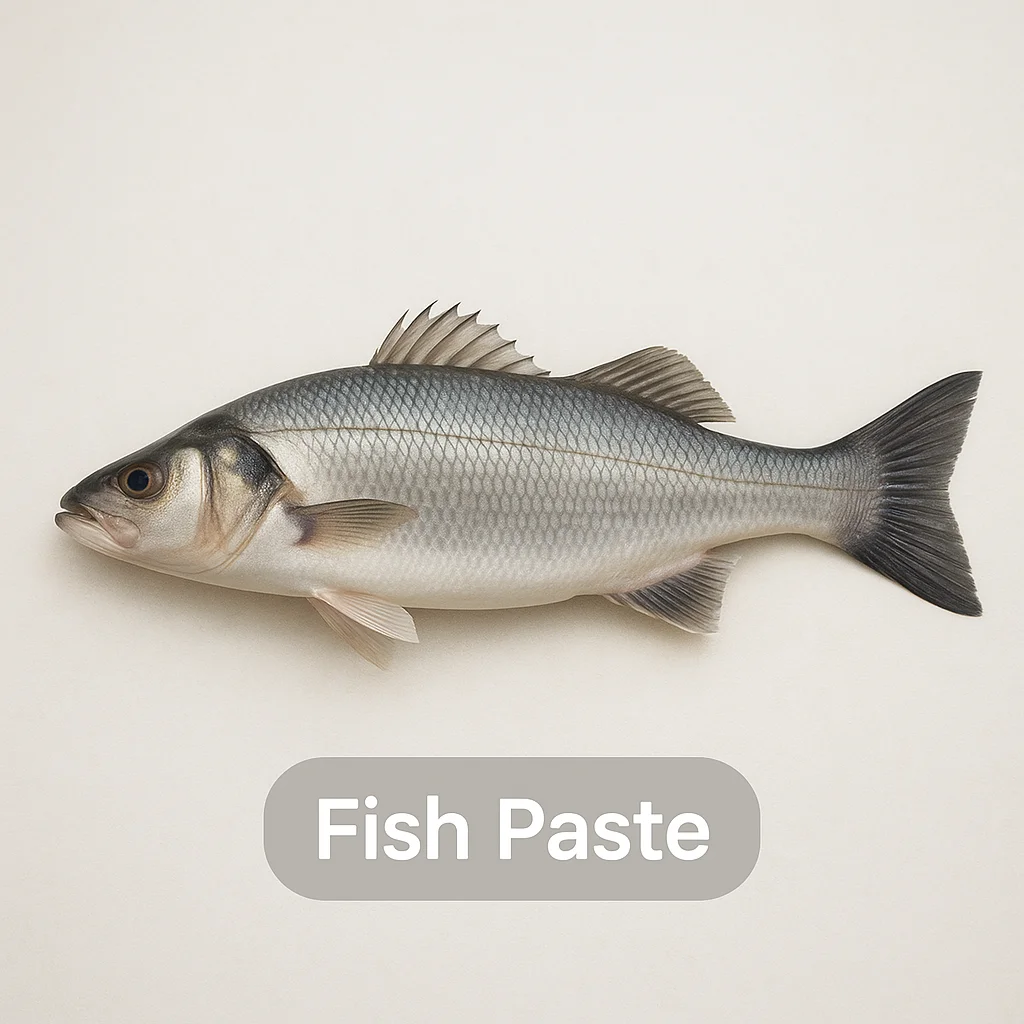
Fish paste is known by different names around the globe, reflecting regional variations in preparation and use. In some areas, it may be labeled as "fish sauce" or "patis," while other names include "nam pla" in Thailand, "ngam nguv" in Vietnam, and "trassi" in Indonesia. These names often hint at slight differences in the recipes and fish species used in production. Understanding these differences can aid in choosing the right fish paste for your culinary needs.
🐠 Taste & Texture
Fish paste offers a robust flavor characterized by a pronounced fishy and salty taste that resonates with those who enjoy seafood. The paste achieves a perfect balance between saltiness and sweetness, with some variations leaning towards a more umami-rich profile. Depending on the fish species used, the paste can be either lean or oily, affecting its taste and texture, which ranges from smooth to slightly grainy with a noticeable mouthfeel.
- Flavor Intensity: Strong and fishy
- Sweetness/Saltiness: Balanced
- Mouthfeel: Smooth to slightly grainy
- Smell when Fresh: Pungent, fishy aroma
🌊 Origin & Habitat
Fish paste is commonly made from fish that inhabit coastal waters, ranging from shallow coastal regions to deeper marine environments. The fish used are often wild-caught, but farmed fish are also used due to their consistent supply and milder flavors. The availability of fish paste varies globally, with tropical and subtropical regions like Southeast Asia, parts of Africa, and coastal areas of South America being primary producers.
📅 Best Season
The best season to use fish for making paste often correlates with the local peak fishing season, which ensures optimal freshness and quality of the fish. However, the seasonality of fish paste varies by region due to differences in ecological conditions and fishing regulations. In general, consumers may favor the months following the monsoon season in tropical areas, as the fish tend to be more abundant and plump, contributing to a richer paste.
🔪 Preparation
Preparing fish for paste involves cleaning, gutting, and often filleting the fish before grinding it into a paste. Scaling and removing pin bones are essential to ensure the paste is smooth. Basic knife-safe practices include ensuring a sharp blade and cutting away from yourself to avoid injury. To control odor, fish can be soaked in a mild salt solution or rinsed briefly in milk, which helps reduce the fishiness without overpowering the natural flavors.
- Clean and scale the fish thoroughly
- Remove internal organs and rinse under cold running water
- Check for and remove any pin bones
- Grind or blend into a smooth paste
For odor control, a short milk soak or a quick salt rinse may help neutralize any overwhelming fish smells, leaving a more subtle aroma suitable for cooking.
❄️ Storage Tips
Proper storage of fish paste is crucial to maintain its flavor and safety. In the fridge, it should be consumed within a few days, stored in an airtight container to retain freshness. Fish paste can also be frozen in portions, ensuring to remove as much air as possible to prevent freezer burn. Thawing should be done in the refrigerator to ensure safe temperature management.
- Do store in airtight containers
- Do label and date when freezing
- Don't expose to air unnecessarily to prevent spoilage
- Don't leave at room temperature for extended periods
🍽️ Popular Dishes
Fish paste is celebrated in a variety of culinary recipes. Some popular dishes include:
- Grilled Fish Skewers: High heat brings out a caramelized exterior.
- Fish Fondue: Gentle simmering enhances the savory richness.
- Fish Curry: Spicy and aromatic, fish paste forms the base.
- Stir-fried Noodles: Quick sauté adds umami depth.
- Seafood Stew: Slow cooking highlights the hearty texture.
- Steamed Fish Cakes: Light, fluffy texture achieved through gentle steaming.
- Cold Fish Salad: Raw style dish with a safety disclaimer.
If consuming raw, ensure sourcing from reputable suppliers and refrigerate soon after purchasing to reduce risks.
🥗 Nutritional Benefits
Fish paste is a rich source of essential nutrients, offering considerable protein per serving. It may also contain healthy omega-3 fatty acids known for their potential heart-health benefits. Vitamins and minerals such as vitamin D, selenium, and iodine are also prominent, depending on the type of fish used.
- High in protein
- Potential source of omega-3 fatty acids
- Rich in essential vitamins and minerals
⚠️ Who Should Eat & Caution
Fish paste may not be suitable for everyone, especially those with seafood allergies, as cross-contact with shellfish can occur during preparation. Special caution should be taken by pregnant individuals or young children due to mercury considerations, although these vary with the fish species used in the paste. To enjoy fish paste safely, ensure proper storage and handle raw seafood with care to prevent contamination.
Sensible precautions involve hand washing and using clean utensils when handling fish paste. Due to raw and undercooked fish being a potential hazard, especially for certain demographics, cooking until opaque and flaky is recommended for safety and culinary satisfaction.
📌 Summary
Fish paste offers a complex taste that enhances many global dishes, providing a unique umami kick. Ideal for various cooking applications, proper storage and handling are vital to maintain taste and ensure food safety.
- Versatile seasoning in global cuisines
- Rich, umami flavor profile with a fishy aroma
- Important to store properly to maintain quality and safety