🐟 Fish Cake
Fish cake is a popular dish enjoyed across the globe, known for its versatility and delightful mix of flavors. Typically composed of fish fillets or minced fish combined with ingredients such as potatoes, bread crumbs, or seasonings, fish cakes are shaped into patties and often fried until golden brown. They are savored for their beautiful blend of savory and slightly sweet flavors, offering a satisfying balance of textures from the crispy exterior to the tender, flavorful interior. Fish cakes can be made using a wide variety of fish, allowing for regional twists and the incorporation of local flavors.
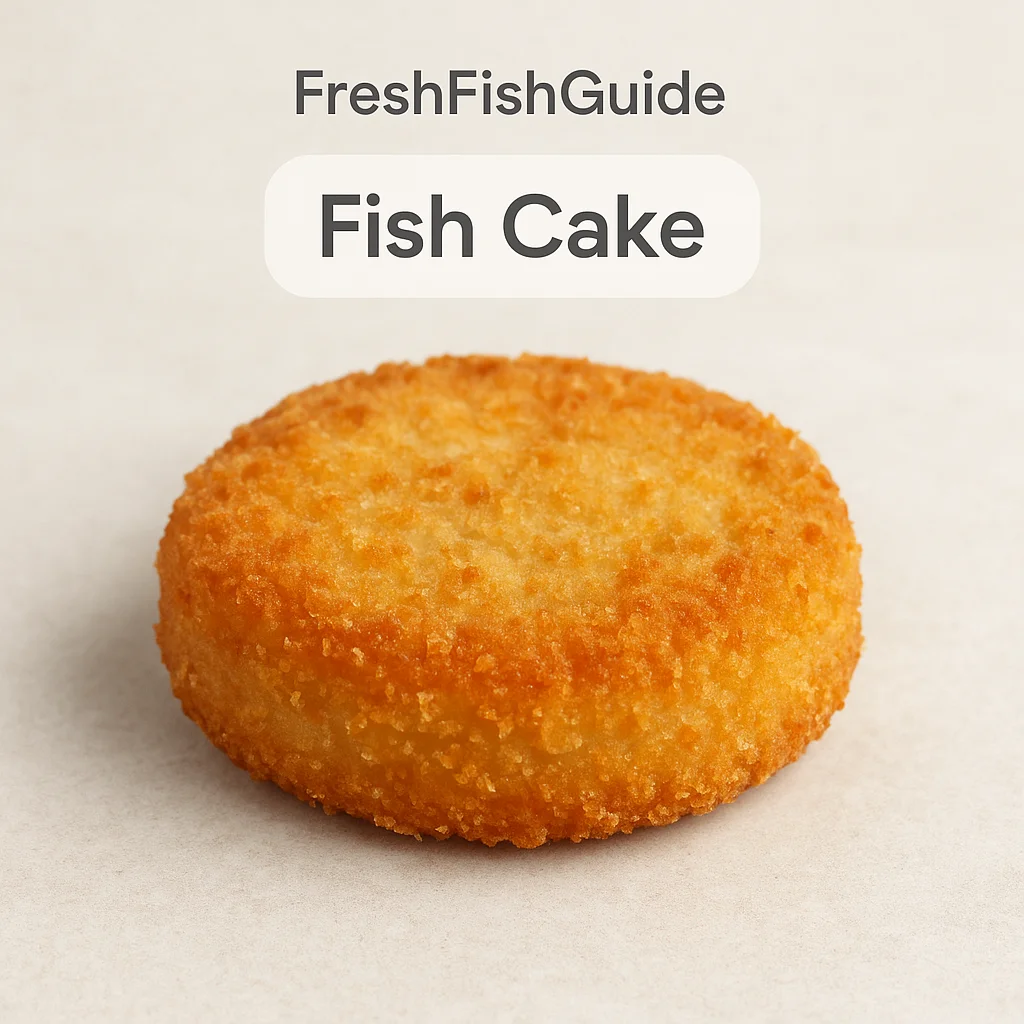
People enjoy fish cakes for several reasons: they are an excellent way to utilize leftover fish, they offer a budget-friendly meal option, and they can be easily adapted to personal taste preferences. Whether served as a main course, appetizer, or side dish, fish cakes have carved out a niche in cuisine, adored for their simplicity, taste, and nutritional benefits.
🐠 Taste & Texture
The taste and texture of fish cakes depend heavily on the type of fish used and additional ingredients. Generally, fish cakes offer a pleasant, mild flavor that blends well with various spices. The texture is often soft and moist inside, with a crispy outer layer when fried.
- Flavor Intensity: Mild to moderate, depending on fish type
- Sweetness/Saltiness: Balanced, slightly savory
- Fattiness: Can vary; often lean to mildly oily
- Mouthfeel: Soft interior, crispy exterior
- Smell: Fresh fish scent with aromatic spices
🌊 Origin & Habitat
Fish used in fish cakes are typically sourced from both wild and farmed environments. Wild fish may offer a more diverse flavor profile due to their natural diet, while farmed fish might present a consistent taste and availability. Fish stocks come from coastal waters, deep seas, and occasionally river systems, depending on the species.
Fish cakes are popular in regions such as Southeast Asia, Northern Europe, and coastal areas globally. In countries like Japan and the UK, fish cakes are traditional components of local cuisine, each boasting unique preparation styles and flavor profiles.
📅 Best Season
The best season for enjoying fish cakes depends largely on the particular fish used. While some fish have peak seasons when their flesh is fattier and more flavorful, fish cake seasonality often varies by region. For prime quality, sourcing fish during their respective peak seasons can enhance both taste and texture. As fish cakes are made with various species, consulting local seafood markets may provide guidance on local seasonality and availability.
🔪 Preparation
Preparing fish cakes involves a few simple yet essential steps. Start by selecting fresh, whole fish, if possible. Clean and scale the fish, remove the guts, and fileting the fish can prevent unwanted textures in your fish cakes. Make sure to check and remove any pin bones and trim the fish as desired.
- Scale and clean the fish thoroughly
- Remove the fish's insides and rinse well
- Check for and remove pin bones
- Trim excess skin or fat as preferred
- Ensure knives are sharp and apply safe handling methods
To manage fish odors, a light rinse with lemon juice or soaking the fish briefly in milk can help. Although these methods may reduce odors, each home chef might find their spun techniques that work best.
❄️ Storage Tips
Fish cakes, like many seafood dishes, are best consumed fresh. However, with mindful storage, they can be maintained for later consumption.
- Store in the fridge for 1-2 days, wrapped tightly in plastic or parchment
- For freezing, portion into servings, wrap securely, and remove any air to prevent freezer burn
- Thaw frozen fish cakes safely in the fridge overnight
Do: Use airtight packaging and date labels for easy tracking.
Don't: Leave fish cakes at room temperature for extended periods.
🍽️ Popular Dishes
Fish cakes are celebrated in various global cuisines, offering numerous culinary opportunities:
- Thai Fish Cakes: Infused with spices like lemongrass, served with a sweet chili sauce.
- Japanese Kamaboko: Steamed fish cakes often featured in soups.
- New England Cod Cakes: Made with flaky cod and potatoes, ideal for frying.
- Korean Odeng: Fish cakes found in stews or skewered as street food.
- Scandinavian Fiskboller: Lightly seasoned fish cakes served with a creamy sauce.
- British Fish Cakes: Traditional fare made with haddock, often served with tartar sauce.
Grilled or baked methods focus on health-conscious preparations, preserving moist interiors. Frying provides an irresistible crispy surface, while steaming yields a delicate, moist texture.
🥗 Nutritional Benefits
Fish cakes offer a variety of nutritional benefits, primarily due to their fish content. They are typically high in protein, featuring additional nutrients derived from accompanying ingredients like vegetables or spices.
- Rich source of protein
- Potential source of omega-3 fatty acids
- May contain essential vitamins and minerals like B vitamins and iodine
⚠️ Who Should Eat & Caution
While fish cakes can appeal to many, caution is warranted for individuals with allergies to fish or shellfish due to potential cross-contact in preparation areas. Mercury content considerations could also be significant, especially for pregnant individuals or young children.
Consuming raw or undercooked fish may introduce risks related to parasites; hence proper cooking practices are recommended. Ensure careful handling, with clean utensils, and avoid cross-contamination between raw and cooked food.
📌 Summary
Fish cakes stand as a testament to culinary creativity, featuring a blend of tender, flavorful fish with a golden, crispy exterior. Their ability to adapt to various regional flavors makes them a versatile dish enjoyed worldwide. Proper preparation and storage of fish cakes can prolong their freshness, enhancing your culinary experience.
- Choose fresh fish for the best flavor and texture
- Pay attention to regional fish availability and seasonality
- Mind safe handling and cooking practices to maintain quality and safety