🐟 Dried Shrimp
Dried shrimp, often referred to as “ebi” in Japanese or “hae bee” in some Asian cuisines, is a form of seafood that involves drying small shrimp under the sun. This preservation method intensifies their flavor and extends their shelf life, making them a popular ingredient in various global dishes. Known for its robust umami quality, dried shrimp is cherished for its ability to enhance the taste of numerous recipes. They are widely consumed due to their versatility and unique taste profile, often used in soups, stews, and even as snacks.
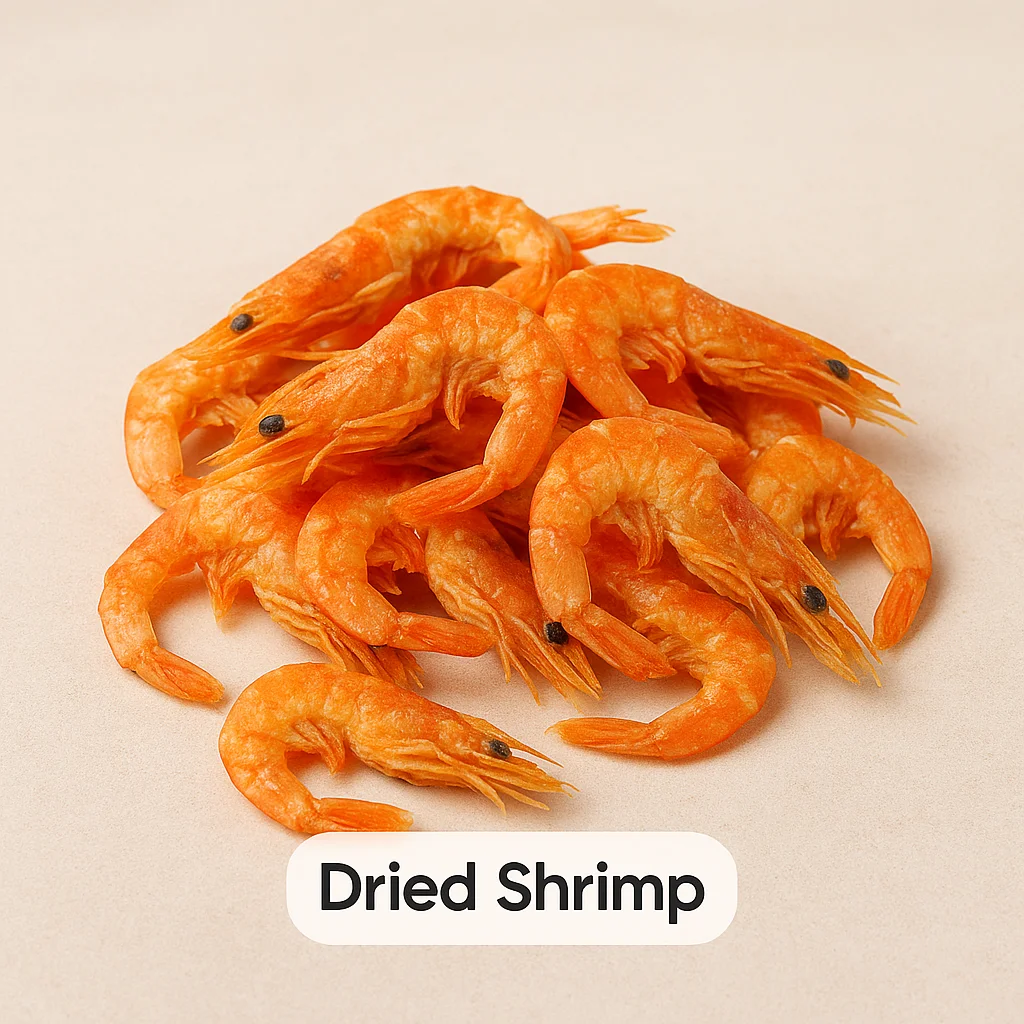
The dried shrimp market is vast, catering to both culinary professionals and home cooks seeking a depth of flavor that fresh shrimp cannot offer. Available throughout the year, these tiny crustaceans can be found in local markets, grocery stores, and specialty food shops around the world. Whether used as a garnish or a central ingredient, dried shrimp adds a distinctive character to meals that celebrate seafood culture globally.
🐠 Taste & Texture
Dried shrimp is renowned for its concentrated, umami-rich flavor that leans towards a slightly sweet and salty profile. Unlike fresh shrimp, which have a tender and juicy bite, dried shrimp offers a chewy texture with a robust taste. The drying process heightens the natural flavors, making them an excellent addition to dishes where a punch of seafood intensity is desired. The smell of dried shrimp is significantly stronger than fresh shrimp, with a pungent aroma that softens during cooking.
- Quick taste profile:
- Umami-rich and savory
- Slightly sweet and salty
- Chewy texture
- Strong seafood aroma
🌊 Origin & Habitat
Dried shrimp are typically sourced from warm, coastal waters where shrimp are abundant. This includes regions such as Southeast Asia, parts of Africa, and coastal areas in South America. While wild-caught shrimp are commonly used, farmed shrimp can also be dried, though the flavor may vary slightly due to differences in diet and habitat. Whether harvested from the wild or farms, these shrimp are sun-dried to achieve their notable concentrated taste.
📅 Best Season
The availability of dried shrimp often depends on regional shrimp harvests, with seasonality varying greatly around the world. In many tropical regions, shrimp are available year-round, although peak seasons may offer the freshest catches used for drying. When shrimp are in peak season, they tend to have higher fat content, enhancing their flavor and making them more succulent post-drying. As such, dried shrimp markets may see price fluctuations and quality differences based on these seasonal factors.
🔪 Preparation
Preparing dried shrimp involves minimal effort, as they are typically ready for use straight from the package. However, rinsing them under cold water can help remove excess salt and any lingering debris. For recipes requiring softer shrimp, soaking them in warm water for a few minutes can help rehydrate and soften them for cooking. Always ensure kitchen tools are clean and consider using separate boards to avoid cross-contamination, especially if handling other raw seafood items.
- Rinse under cold water
- Soak in warm water to soften (if needed)
- Use clean tools and separate boards
To manage the potent aroma of dried shrimp, a brief soak in milk or saltwater and a quick rinse can help moderate the smell before cooking without compromising flavor.
❄️ Storage Tips
Proper storage is essential to maintain the quality and flavor of dried shrimp. When storing in the fridge, they should be kept in an airtight container and used within a few weeks to ensure freshness. For longer storage, freezing is highly effective. Portion dried shrimp before freezing to avoid repeatedly exposing them to air. Ensure all air is removed from the packaging to prevent freezer burn, and thaw them safely in the refrigerator before use.
- Do: Store in airtight containers
- Do: Freeze portions to prevent exposure
- Don’t: Expose repeatedly to air
- Don’t: Store near other pungent foods without sealing
🍽️ Popular Dishes
Dried shrimp is celebrated for its versatility and is used in numerous dishes around the world:
- Biryani: Adds depth to this spiced rice dish, offering a complex flavor against fragrant spices.
- Pad Thai: A common ingredient that enhances the savory flavors of this popular Thai noodle dish.
- Gumbo: Contributes to the rich, hearty flavors in this flavorful stew from Southern U.S. cuisine.
- Fried Rice: Offers an additional umami kick when added to this classic Asian cuisine staple.
- Chili Paste: Pulverized with spices to form a rich, concentrated base used in various Asian dishes.
- Soup Stocks: Provides a seafood essence when simmered in broths and stocks.
- Stir Fry: Adds texture and an umami element when combined with vegetables and meats over high heat.
- Kimchi: Often incorporated into Korean kimchi for an additional layer of flavor.
When preparing dishes with dried shrimp, high heat methods like stir-frying and frying will amplify their flavors, while gentle simmering in soups and stews will infuse their taste throughout the dish.
🥗 Nutritional Benefits
Dried shrimp are not only a flavor enhancer but also a nutrient-rich ingredient. Packed with protein and essential minerals, they offer several health benefits:
- Rich in protein, contributing to muscle health
- Source of calcium for bone support
- Contains iron, aiding in blood health
- Provides phosphorus, essential for energy production
These crustaceans can be a beneficial part of a balanced diet when consumed in moderation.
⚠️ Who Should Eat & Caution
While dried shrimp are nutritious, they may pose risks for certain individuals. Those with shellfish allergies should avoid them and be cautious of cross-contact in kitchens where other shellfish are prepared. Like many seafoods, shrimp can contain trace amounts of mercury; thus, pregnant people and children should consume them in moderation. Furthermore, dried shrimp should be cooked thoroughly to avoid risks associated with consuming raw or undercooked seafood.
📌 Summary
Dried shrimp is a versatile and flavorful ingredient beloved in various global cuisines. It enhances meal profiles with its unique umami taste and chewy texture, often enriching soups, stews, noodles, and more. Proper storage extends their usability, making them a valuable pantry staple worldwide.
- Intensely umami and savory
- Versatile in numerous dishes worldwide
- Store airtight to maintain quality
- Consider allergies and mercury guidelines