🐟 Dried Seaweed
Dried seaweed, also known as nori, kombu, or wakame, is a versatile and nutritious food ingredient loved across the world. It involves the sun-drying or processing of seaweed harvested from the ocean, resulting in a concentrated form rich with flavor and nutrients. People eat dried seaweed in various cuisines due to its unique taste and potential health benefits, such as its mineral content. It plays an essential role in Asian dishes, particularly Japanese, Korean, and Chinese gastronomy.
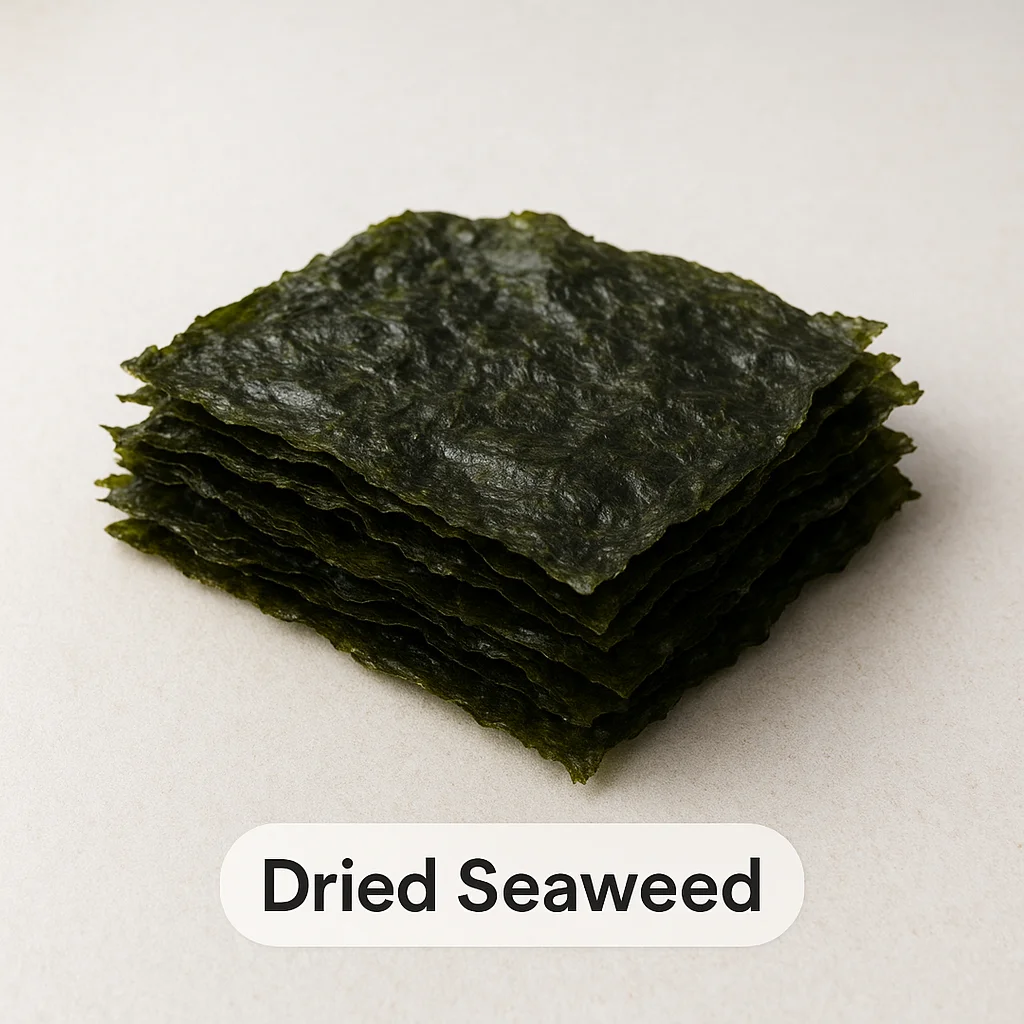
This article explores the different aspects of dried seaweed, from its taste and texture to its health benefits and culinary uses. You will also learn how to store it properly for maximum longevity and quality.
🐠 Taste & Texture
Dried seaweed has a distinct taste that is both savory and slightly sweet, with a hint of the sea's natural saltiness. It provides an umami flavor, a taste category often referred to as the fifth taste, characterized by its mouthwatering savory quality. The texture of dried seaweed varies based on the type—nori is typically smooth and paper-like, while wakame and kombu are thicker and more fibrous. When hydrated, dried seaweed becomes tender with a slight chewiness.
- Umami-rich flavor
- Slight sweetness and saltiness
- Variable texture from smooth to fibrous
- Mild oceanic aroma
🌊 Origin & Habitat
Dried seaweed is harvested from various coastal waters worldwide, predominantly in Asia, including Japan, Korea, and China. Seaweed thrives in the rocky coastal regions where the nutrient-rich waters support its growth. While much of the seaweed consumed is wild-harvested, aquaculture has become increasingly popular to meet global demand, providing a sustainable way to produce seaweed without depleting wild stocks.
📅 Best Season
The peak season for seaweed harvest often corresponds with spring and early autumn. This seasonality matters because the nutrient content, texture, and flavor of seaweed are typically optimal during these times. However, the seasonality varies by region, and thanks to advancements in aquaculture, dried seaweed is typically available year-round at consistent quality and pricing.
🔪 Preparation
Preparing dried seaweed is relatively straightforward and typically involves rehydrating it before use. Depending on the dish, it may be as simple as soaking the seaweed in warm water until it softens. For those handling seaweed sheets intended for sushi, it's crucial to ensure the seaweed remains dry until use to maintain structure and ease of handling.
- Rehydrate by soaking in warm water
- Cut to size with kitchen scissors if needed
- Avoid moisture when handling nori sheets
When dealing with fishy odors, a quick rinse with cold water can help minimize intensity. For stronger smells, a brief soak in milk followed by a rinse may be beneficial, though personal preferences will guide final treatments.
❄️ Storage Tips
Proper storage of dried seaweed can extend its shelf life considerably. It should be stored in a cool, dry place in an airtight container to prevent moisture absorption.
If refrigeration is necessary, use a sealed container to maintain freshness and protect from volatile flavors within the fridge. For long-term storage, freezing can be an option, ensuring seaweed is portioned and wrapped to prevent freezer burn.
- Do: Use airtight containers
- Do: Store in a cool, dry place
- Don’t: Expose to moisture
- Do: Portion and wrap for freezing
🍽️ Popular Dishes
Dried seaweed is a staple in many culinary traditions, particularly within Asian cuisines. Popular dishes include:
- Sushi Rolls: Nori sheets wrap around vinegared rice and other fresh ingredients, celebrated for their balance of flavors.
- Miso Soup: Combines kombu with miso paste and tofu, offering a warming and savory broth.
- Seaweed Salad: Uses hydrated wakame, dressed with sesame oil and soy sauce for a refreshing starter.
- Korean Gimbap: Similar to sushi but often includes assorted vegetables and beef.
- Seaweed Rice Balls: A quick snack, melding rice with small pieces of seaweed for flavor.
- Ramen Toppings: Dried seaweed adds texture and umami to savory noodle broths.
Generally, gentle cooking at a moderate temperature preserves the taste and texture of dried seaweed. For raw preparations such as salad, ensure seaweed is thoroughly rinsed and handled with care to avoid contamination.
🥗 Nutritional Benefits
Dried seaweed is notable for its micronutrient density including iodine, vitamin K, and various antioxidants. While beneficial, moderation is recommended due to its concentrated iodine content. It adds essential vitamins to diets, contributing to energy and overall wellness.
- Iodine
- Vitamin K
- Antioxidants
⚠️ Who Should Eat & Caution
While dried seaweed is generally safe for consumption, it is important to be aware of potential allergy risks, particularly for those with sensitivities to seafood. Cross-contact in kitchens may also affect those with fish allergies. Pregnant women and children should be cautious due to iodine content, and it's prudent to consult with a healthcare professional if concerned.
Raw or undercooked seaweed can pose risks due to microorganisms; ensure proper handling and rinsing, especially when adding to fresh salads or raw dishes.
📌 Summary
Dried seaweed offers a unique umami taste and versatile culinary applications, from sushi rolls to soups. Its distinct flavors and textures are cherished in many global cuisines, particularly in Asia. Dried seaweed should be stored in a cool, dry environment, and rehydrated as needed for use. Overall, it provides rich nutrients and an accessible way to enhance various dishes.
- Umami flavor with oceanic notes
- Best stored dry, in airtight packaging
- Nutrient-rich, best in moderation for iodine-sensitive individuals