🐟 Dried Anchovy
Dried anchovies are a popular seafood ingredient recognized for their intense flavor and versatility in culinary applications. Small, silvery fish typically found in warmer waters, anchovies are often dried to preserve their umami-rich taste, making them a staple in many global cuisines. Used in soups, stews, and as flavor enhancers, dried anchovies are valued for their ability to impart a deep, savory complexity to dishes.
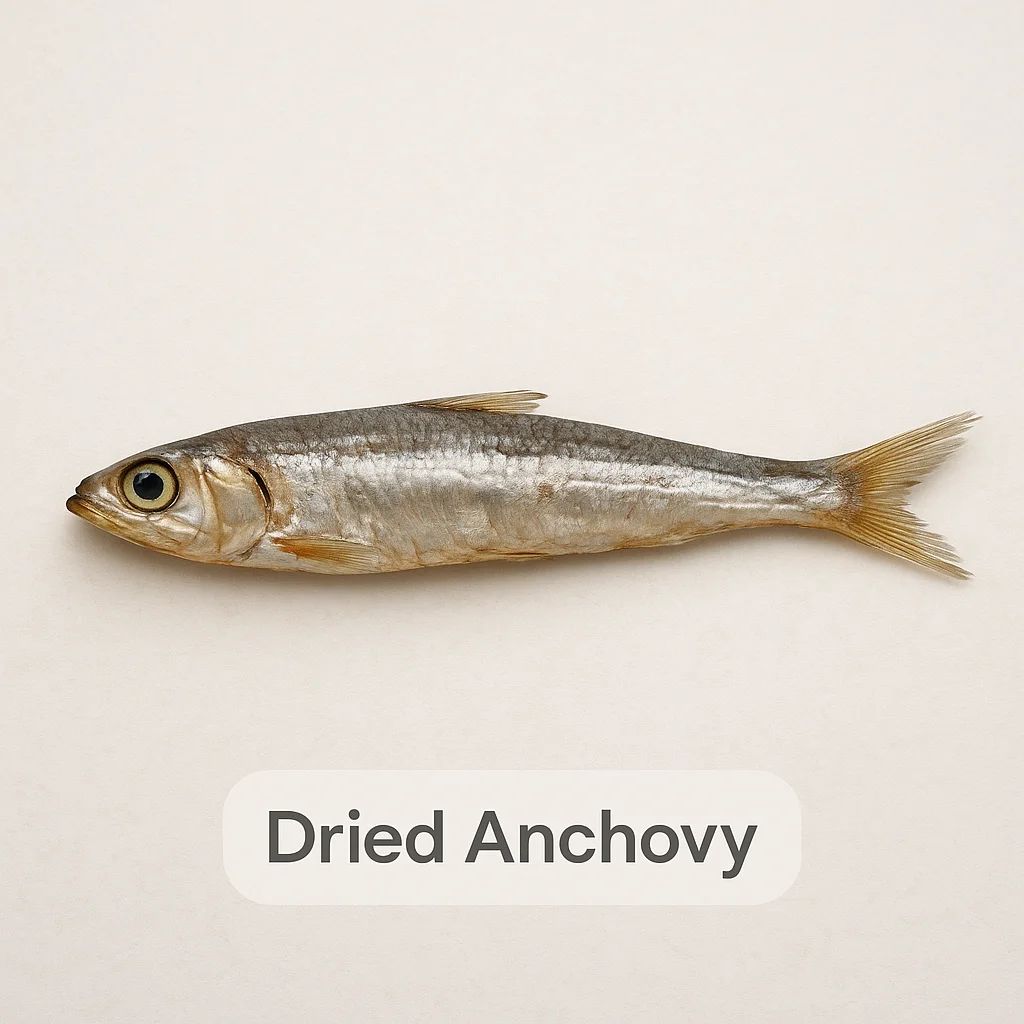
People worldwide have embraced dried anchovy due to its robust taste and nutritional benefits. It is commonly referred to by various names, such as "ikan bilis" in Southeast Asia, "niboshi" in Japan, or simply "anchovy" in Mediterranean regions. These names reflect regional culinary traditions, where dried anchovies play a fundamental role in local flavor profiles.
Anchovies mainly belong to the group of oily fish, characterized by higher fat content that contributes to their rich taste. On the topic of small fish, it is essential to ensure their freshness and proper storage to avoid any off-putting odors or spoilage. Appropriate handling and storage methods help maintain the anchovies' quality and extend their shelf life.
🐠 Taste & Texture
The flavor of dried anchovies is intensely savory and salty, with subtle fishy undertones that can enhance various dishes. When dried, their natural sweetness and umami become more pronounced, contributing a unique depth to recipes. Dried anchovies possess a firm texture, which, when cooked or crushed, offers a satisfying mouthfeel and release aromatic flavors during preparation.
- Quick taste profile:
- Intense umami
- Salty with a hint of sweetness
- Firm and slightly chewy texture
- Pungent aroma when fresh
🌊 Origin & Habitat
Dried anchovies originate from the world's coastlines, where they are typically harvested from coastal waters. They thrive in warm and temperate seas, often found in the Pacific Ocean, Mediterranean Sea, and parts of the Indian Ocean. Wild-caught anchovies are generally more prevalent than farmed ones. These fish are commonly harvested in regions like Southeast Asia, Southern Europe, and parts of Africa, where they hold cultural and culinary significance.
📅 Best Season
The best season for anchovy harvesting varies depending on the region, as they are influenced by local fisheries and environmental conditions. Seasonality often affects the fat content and texture of the anchovies, with periods of abundance typically resulting in the best quality fish for drying. In general, anchovy fishing peaks can occur in late spring to early summer, but this can differ by area, with some regions experiencing extended or additional cycles of availability.
🔪 Preparation
Preparation of dried anchovies often involves cleaning them carefully to ensure optimal flavor. Though small, it's essential to address potential debris or unwanted parts. The following checklist provides a guideline for beginners:
- Rinse in cold water to remove excess salt and debris.
- Pat dry with paper towels.
- Check for and remove any remaining heads and tails, if present.
- Inspect for and discard any broken or damaged pieces.
- Set aside in a clean container for later use.
For those concerned about odor, a light soak in milk or a sprinkle of salt followed by a quick rinse can help mellow the fishiness. Always handle dried anchovies with clean tools and keep them separate from other ingredients to avoid cross-contamination.
❄️ Storage Tips
Proper storage is critical to maximizing the shelf life and flavor of dried anchovies. In the fridge, store them in an airtight container for up to a few weeks. When opting for ice storage, ensure the fish are wrapped in a cloth and placed in an ice-lined container to maintain moisture and texture. For longer durations, freezing is preferable; here are some additional tips:
- Do: Portion before freezing, use airtight bags, remove air, and label with the date.
- Don’t: Store with strong-smelling food, forget to label, or refreeze once thawed.
When thawing, do so gradually in the fridge to maintain texture and prevent spoilage.
🍽️ Popular Dishes
Dried anchovies are integral to many traditional dishes across various cuisines. Here are some popular applications:
- Korean stir-fried dried anchovies (myulchi-bokkeum), which uses sugar, soy sauce, and sesame oil for a sweet-savory profile.
- Japanese dashi stock from simmering dried anchovies (niboshi) to extract deep umami flavors.
- Italian pasta with anchovies, parsley, and garlic (spaghetti con acciughe) showcasing anchovies' ability to melt into sauces.
- Filipino ginisang munggo, where dried anchovies add a salty punch to stewed mung beans.
- Indonesian nasi uduk, which often includes crispy fried anchovies as toppings.
- Malaysian nasi lemak, where dried anchovies provide a savory contrast when served alongside coconut rice and condiments.
For raw preparations, such as ceviche-style dishes, ensure to source sashimi-grade dried anchovies and follow safe handling practices.
🥗 Nutritional Benefits
Dried anchovies are a nutritious addition to a balanced diet, offering essential nutrients that support overall health. Rich in protein and omega-3 fatty acids, they contribute to muscle health and heart wellness. They also provide a source of vitamins and minerals, such as calcium and iron, which are vital for bone strength and oxygen transportation.
- High in protein
- Good source of omega-3 fatty acids
- Rich in calcium and iron
⚠️ Who Should Eat & Caution
Dried anchovies should be approached with caution by individuals with fish allergies, as cross-contact can occur in kitchens. Due to potential mercury presence, consumption by pregnant people and children should be limited, emphasizing moderation. Raw or undercooked anchovies should be sourced from reputable suppliers to avoid parasitic risks, and safe-handling practices are recommended during preparation.
📌 Summary
Dried anchovies offer a unique and intense flavor profile, making them a beloved ingredient in many global dishes. Best used when fresh, they require proper storage to maintain their quality and flavor. When incorporated into meals, they elevate culinary experiences with their umami depth and nutritional contributions.
- Intense, savory taste with firm texture
- Best stored in cool, dry, and air-tight conditions
- A staple in diverse culinary traditions
- Rich in nutrients such as protein and minerals