🐟 How to Steam Fish Without It Turning Watery (Aromatics + Heat Control)
🧭 Quick Overview
Steaming fish is a healthy and low-fat cooking method, but it can sometimes result in a soggy, watery texture if not done correctly. This guide aims to help home cooks master the steaming process, ensuring a delicious, flavor-packed fish dish every time.
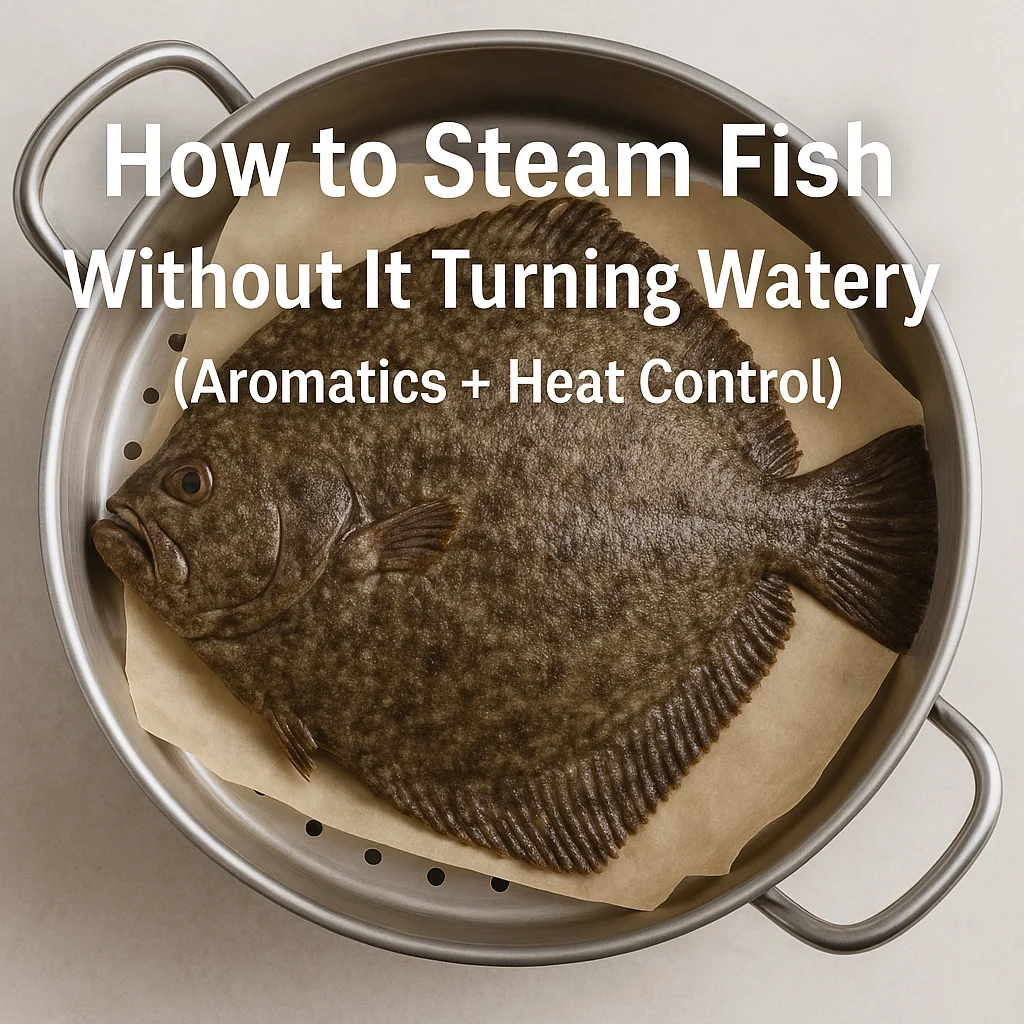
- Best for: Home cooks looking to utilize steaming as a healthful cooking method while maintaining flavor.
- Common problems solved: Avoiding watery fish, enhancing flavor through aromatics, and managing heat control.
- What you need: A steaming setup (steamer basket or bamboo steamer), fish of choice, and aromatic ingredients.
🧠 Why This Matters
Steaming is a gentle cooking process that maintains the integrity of fish's delicate flavors and nutrients. It is generally a health-conscious method, void of additional fats. However, improper technique can lead to a disappointing, watery outcome. By understanding the right approach, you can ensure firm, flavorful results.
✅ Step-by-Step Method
Follow these steps to achieve perfectly steamed fish without excess moisture.
- Step 1: Prepare your fish by patting it dry with paper towels. Moisture on the surface can lead to unwanted steaming results.
- Step 2: Set up your steaming apparatus. Fill your pot with an adequate amount of water, ensuring it does not touch the steamer when boiling.
- Step 3: Add aromatics directly into the water or on top of the fish. Consider ginger, garlic, lemongrass, or fresh herbs for added flavor.
- Step 4: Place the fish in the steamer and cover it tightly to trap steam, but avoid pressing down on the cover, which can cause condensation to drip onto the fish.
- Step 5: Steam over medium heat. Reduce the heat if too much steam is escaping, as this can affect cooking time and results.
🧾 Checklist
Ensure you have everything prepared before beginning the steaming process.
- Fish is properly dried and seasoned.
- Steamer is prepared without water touching the basket.
- Aromatics are selected and ready.
- Steamer cover is secure but not overly tight.
- Heat is maintained at an appropriate level to avoid over-steaming.
⚠️ Common Mistakes & Fixes
- Mistake: Overfilling the pot with water. Fix: Ensure water is below the steamer basket to prevent direct contact with fish.
- Mistake: Using high heat, leading to rapid boiling. Fix: Reduce to medium heat to maintain gentle steaming.
- Mistake: Skipping the aromatics. Fix: Add flavorful herbs or spices to enhance the dish's aroma and taste.
🌍 Variations by Fish Type
The method of steaming can be slightly adjusted depending on the type of fish you choose to cook.
- Oily fish: Steams well with added acidity like lemon to cut through richness.
- Lean white fish: Benefits from delicate herbs like dill or thyme.
- Thick steaks: May require additional cooking time; consider steaming in foil to retain moisture.
- Thin fillets: Steam quickly, so keep a close eye and reduce steaming time accordingly.
🧊 Storage & Leftovers
To store leftover steamed fish, ensure it is cooled to room temperature, then placed in an airtight container. Consume within 2-3 days and reheat gently to avoid drying it out.
🛒 Buying Tips (if relevant)
When selecting fresh fish, look for bright, clear eyes and firm, bouncing flesh when touched. Avoid any that have a pungent, fishy smell. For fillets, check for vibrant color and avoid any that appear discolored or slimy.
🧼 Safety Notes
Always handle raw fish with care to prevent cross-contamination. Use separate cutting boards and wash hands and utensils thoroughly after preparation. Ensure fish reaches a safe internal temperature of at least 145°F (62.8°C).
❓ FAQs
- Question: Can I steam frozen fish without thawing? Answer: It's generally recommended to thaw fish to ensure even cooking.
- Question: What can I use instead of a steamer basket? Answer: A makeshift setup using a metal colander or rack over boiling water can work.
- Question: How do I know when the fish is fully cooked? Answer: The fish should easily flake with a fork and appear opaque throughout.
📌 Summary
- Select fresh, high-quality fish and dry thoroughly before steaming.
- Incorporate aromatics and manage water levels and temperature for optimal results.
- Adjust steaming technique based on fish type to avoid common pitfalls.