🐟 How to Pan-Sear Fish Without Sticking (Heat, Moisture, Timing)
🧭 Quick Overview
In this guide, you'll discover the secrets to perfectly pan-searing fish without the dreaded sticking, ensuring a tasty and aesthetically pleasing dish every time. Whether you're a novice cook or a seasoned chef, this article will guide you through the process with ease.
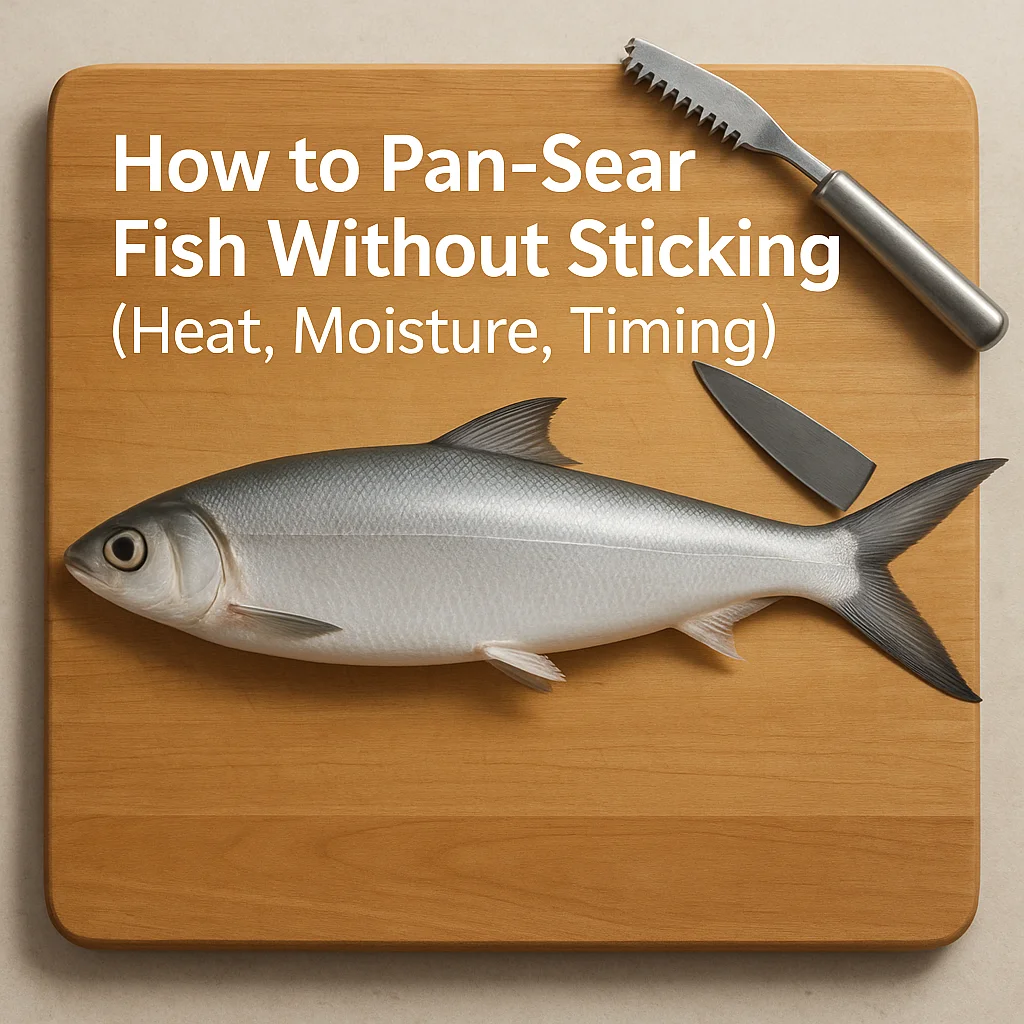
- Best for: Home cooks and professional chefs seeking perfect pan-seared fish.
- Common problems solved: Fish sticking to the pan, uneven cooking, poor texture.
- What you need: Fresh fish, a non-stick or well-seasoned pan, oil, salt, and a spatula.
🧠 Why This Matters
Pan-searing fish is a quick and potent way to enhance its natural flavors while achieving a delightful crispy skin. Mastering this technique not only improves the texture and taste of your dish but also elevates your culinary skills, allowing you to prepare restaurant-quality meals at home.
✅ Step-by-Step Method
Follow these steps to ensure your fish doesn't stick to the pan while achieving a perfect sear.
- Step 1: Choose the right fish: Opt for fresh fillets with skin-on. Skin provides a natural barrier, reducing the likelihood of sticking.
- Step 2: Preheat the pan: Begin by heating your pan over medium-high heat. A properly heated pan is crucial for creating a good sear.
- Step 3: Moisture control: Pat the fish dry with paper towels. Excess moisture can cause the fish to steam rather than sear, leading to sticking.
- Step 4: Add oil: Add a tablespoon of high smoke point oil to the hot pan. Ensure the entire surface of the pan is coated to prevent sticking.
- Step 5: Cook the fish: Place the fish in the pan skin side down. Let it cook without moving it for 3-4 minutes. This allows the skin to become crispy and lift naturally from the pan. Flip and cook for an additional 2-3 minutes.
🧾 Checklist
Ensure you're prepared with this checklist for pan-searing fish.
- Fresh fish fillets, ideally skin-on.
- Non-stick or properly seasoned pan.
- High smoke point oil (e.g., canola, grapeseed).
- Paper towels for drying the fish.
- Spatula wide enough to support flipping the fillets.
⚠️ Common Mistakes & Fixes
- Mistake: Cooking fish when it's cold. Fix: Allow the fish to reach room temperature before cooking.
- Mistake: Overcrowding the pan. Fix: Cook one or two fillets at a time to maintain heat.
- Mistake: Flipping the fish too early. Fix: Wait until the skin is crispy and releases from the pan naturally.
🌍 Variations by Fish Type
The type and cut of fish can affect the searing process. Here’s how to adjust for different types:
- Oily fish: Fish like salmon or mackerel might require less oil as they have natural fats.
- Lean white fish: Cod or haddock may need a touch more oil and careful monitoring to avoid drying out.
- Thick steaks: Allow for additional cooking time, and consider finishing in the oven for even cooking.
- Thin fillets: Reduce cooking time slightly to prevent overcooking.
🧊 Storage & Leftovers
Cooked fish should be cooled and stored in an airtight container in the refrigerator. It is generally safe for 2-3 days. Reheat gently in a low-heat oven to avoid drying out.
🛒 Buying Tips (if relevant)
When selecting fish, look for bright, clear eyes, firm flesh, and a mild ocean-like scent for whole fish. Fresh fillets should be moist but not slimy. Frozen fish should be in airtight packaging with no freezer burn.
🧼 Safety Notes
Always wash your hands and any surfaces that have come into contact with raw fish. Ensure the fish is cooked to an internal temperature of at least 145°F (63°C) to be sure it's safe to eat.
❓ FAQs
- Question: Can I use butter instead of oil? Answer: Butter can burn quickly, so it's best to use a mixture of butter and oil to raise the smoke point.
- Question: How do I know when the fish is done? Answer: The fish should be opaque and easily flake with a fork.
- Question: What type of pan works best for searing fish? Answer: A well-seasoned cast iron or non-stick skillet works best to prevent sticking.
📌 Summary
- Dry fish thoroughly to prevent sticking and promote a good sear.
- Use high smoke point oil and preheat your pan correctly.
- Resist moving the fish too early to ensure the skin gets crispy and releases on its own.