🐟 How to Cook Thick Fish Steaks Evenly (Outside vs Center Problem Solved)
🧭 Quick Overview
Cooking thick fish steaks evenly can be a challenge, especially when trying to ensure that both the outside and center are perfectly cooked. This guide is designed for both novice and experienced home cooks looking to master the art of cooking fish steaks to perfection.
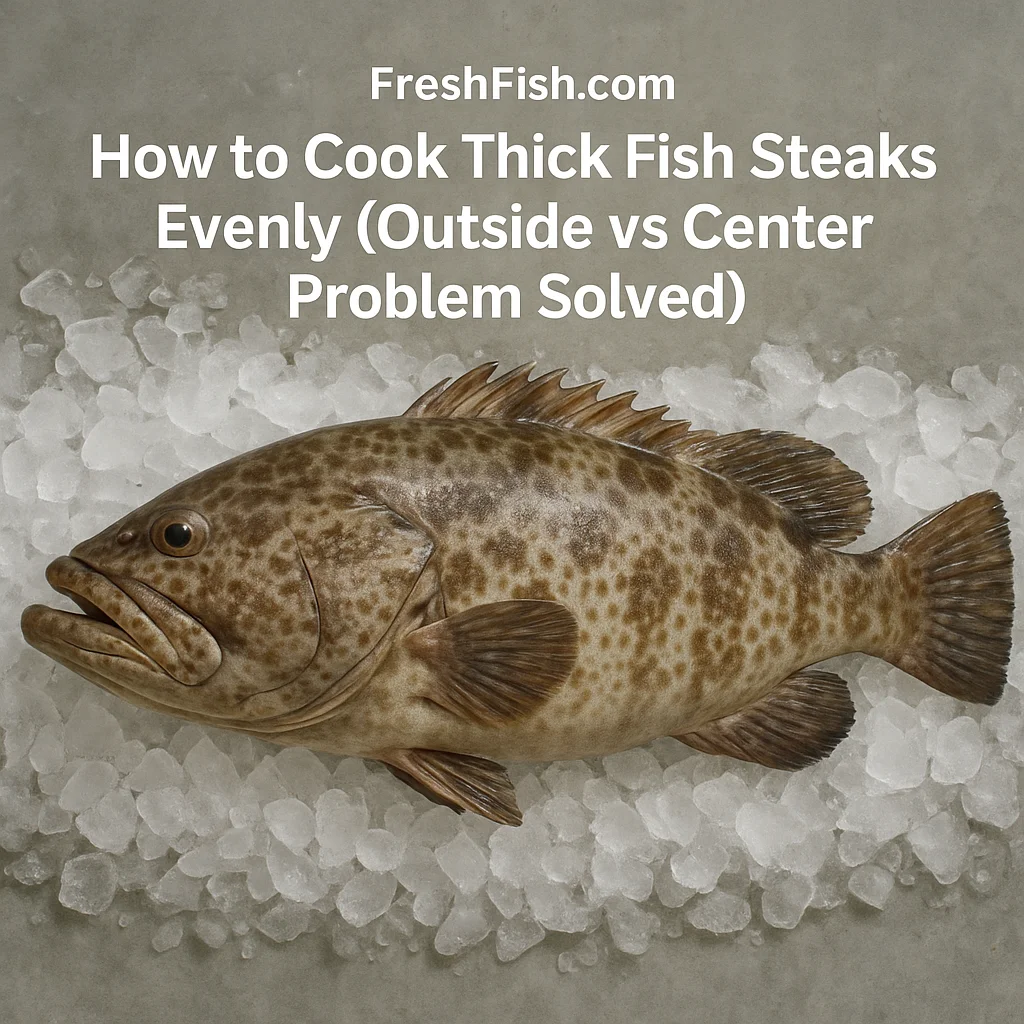
- Best for: Home cooks aiming to improve their fish cooking skills.
- Common problems solved: Uneven cooking, dry edges, raw centers.
- What you need: Fresh thick fish steaks, thermometer, skillet, and an oven.
🧠 Why This Matters
Cooking fish steaks evenly is crucial not only for taste and texture but also for ensuring the fish is safe to eat. Properly cooked fish should be moist, tender, and flaky, with a balance of cooked edges and a just-done center. Achieving this balance elevates your dish from ordinary to restaurant-quality, while also maximizing nutritional benefits and reducing waste.
✅ Step-by-Step Method
Follow these steps to cook thick fish steaks evenly, achieving the perfect balance between a crispy exterior and a succulent center.
- Step 1: Preheat your oven to 375°F (190°C). This ensures that the fish cooks evenly from the outside in.
- Step 2: If possible, choose fish steaks that are uniform in thickness. This aids in even cooking.
- Step 3: Season the fish with salt, pepper, and a dash of lemon juice for added flavor. Allow the fish to rest at room temperature for about 15 minutes.
- Step 4: Heat a skillet over medium-high heat with a light coating of oil. Sear the fish on each side for about 2-3 minutes until a golden crust forms.
- Step 5: Transfer the fish to the preheated oven. Roast for 4-7 minutes, depending on thickness, or until it reaches an internal temperature of 145°F (63°C).
🧾 Checklist
Ensure you are fully prepared to cook your fish steaks flawlessly by checking off this list:
- Fresh, uniform fish steaks
- Cooking oil suitable for high heat
- Thermometer to check doneness
- Preheated oven
- Skillet for searing
⚠️ Common Mistakes & Fixes
- Mistake: Starting with cold fish. Fix: Allow the fish to come to room temperature before cooking.
- Mistake: Uneven searing. Fix: Ensure the skillet is evenly coated with oil and fully heated before adding the fish.
- Mistake: Overcooking in the oven. Fix: Always monitor the internal temperature of the fish to prevent drying out.
🌍 Variations by Fish Type
Different types of fish require slightly different cooking approaches. Here's how to adapt your method based on fish type:
- Oily fish: Cook at a slightly lower temperature to avoid excessive greasiness while preserving moisture.
- Lean white fish: Add a bit more oil or butter to prevent drying and enhance the flavor.
- Thick steaks: Follow the main method provided for balanced cooking.
- Thin fillets: Reduce oven time to prevent overcooking.
🧊 Storage & Leftovers
Store any leftover cooked fish in an airtight container in the refrigerator for up to two days. For best results, gently reheat in a low oven or microwave, covered, to avoid drying out. When in doubt, check for any off odors or textures, as fish tends to spoil quickly.
🛒 Buying Tips (if relevant)
Opt for fish steaks with a consistent color and firm texture. The scent should be mild and ocean-like, not fishy. When buying fresh, whole fish, look for clear eyes and bright gills as signs of freshness.
🧼 Safety Notes
To prevent cross-contamination, always use separate cutting boards for fish and other foods. Ensure the fish reaches an internal temperature of 145°F (63°C) to kill harmful bacteria. When unsure, err on the side of caution and cook a bit longer.
❓ FAQs
- Question: Can I use this method for frozen fish steaks? Answer: Yes, but ensure the fish is fully thawed before cooking for best results.
- Question: What kind of oil is best? Answer: Oils with high smoke points like canola or grapeseed oil are ideal.
- Question: How can I tell if the fish is done if I don't have a thermometer? Answer: The fish should flake easily with a fork and appear opaque throughout.
📌 Summary
- Proper preparation and technique are key to cooking fish steaks evenly.
- Always monitor temperature to ensure safety and quality.
- Adapt methods slightly based on fish type for the best results.