🐟 Common Fish Cooking Mistakes (and Quick Fixes)
🧭 Quick Overview
Fish can be a healthy and delicious addition to your meals, but cooking it perfectly can be tricky. This guide helps home cooks avoid common pitfalls when preparing fish dishes. It's designed to make sure you end up with flavorful, perfectly cooked fish every time.
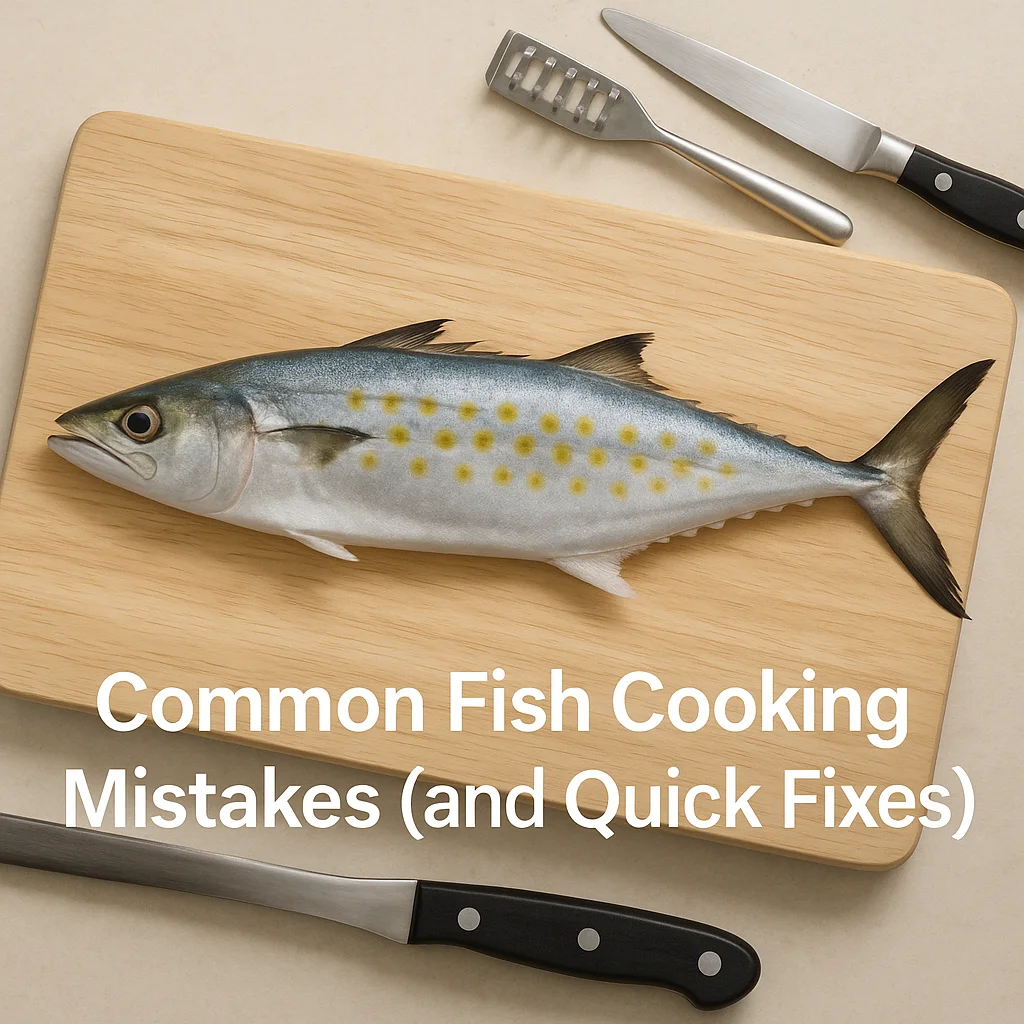
- Best for: Home cooks interested in improving their fish-cooking skills.
- Common problems solved: Overcooking, undercooking, seasoning issues, and texture problems.
- What you need: Fresh fish, essential kitchen tools, and basic herbs and spices.
🧠 Why This Matters
Cooking fish properly is essential not only for taste and texture but also for food safety. Overcooking can make fish dry and unappetizing, while undercooking may pose health risks. Mastering the correct techniques ensures you enjoy fish at its finest.
✅ Step-by-Step Method
Follow these steps to mitigate mistakes and achieve perfectly cooked fish.
- Step 1: Choose the right fish for your recipe, considering flavor and texture preferences.
- Step 2: Season the fish adequately with salt and herbs, allowing it to rest for a few minutes to absorb flavors.
- Step 3: Preheat the cooking surface (pan, grill, oven) to ensure even cooking and a good sear or crust.
- Step 4: Time the cooking carefully, typically 3-5 minutes per side depending on thickness, and check doneness using a fork or thermometer.
- Step 5: Let the fish rest for a couple of minutes before serving to allow juices to redistribute.
🧾 Checklist
Ensure you have all the essentials covered before you start cooking.
- Fresh fish with bright eyes and firm flesh.
- Necessary herbs and spices for seasoning.
- Functional kitchen thermometer.
- Non-stick pan or grill.
- Spatula and tongs for handling.
⚠️ Common Mistakes & Fixes
- Mistake: Overcooking fish. Fix: Use a thermometer to check for a safe internal temperature of 145°F (63°C).
- Mistake: Fish sticking to the pan. Fix: Preheat the pan and add a layer of oil or use a non-stick surface.
- Mistake: Lack of seasoning. Fix: Season generously and allow time for the fish to absorb flavors.
- Mistake: Uneven cooking. Fix: Bring fish to room temperature before cooking to ensure even heat distribution.
- Mistake: Soggy skinned fish. Fix: Pat skin dry with a paper towel before cooking to achieve a crispy texture.
🌍 Variations by Fish Type
Adjust your cooking technique depending on the type of fish to achieve the best results.
- Oily fish: Salmon and mackerel thrive with strong flavors like citrus or herbs to cut through their richness.
- Lean white fish: Cod and haddock benefit from delicate seasoning and shorter cooking times to preserve moisture.
- Thick steaks: Swordfish and tuna steaks require a good sear at high heat to lock in juices.
- Thin fillets: Plaice and sole fillets are best cooked swiftly and carefully to prevent drying.
🧊 Storage & Leftovers
Store fresh fish in the coldest part of your refrigerator, ideally to be used within 1-2 days. Leftover cooked fish can be refrigerated and should be consumed within 2-3 days. When reheating, use low heat to avoid drying out.
🧼 Safety Notes
Avoid cross-contamination by using separate cutting boards for fish and other ingredients. Ensure fish is cooked to an internal temperature of at least 145°F (63°C) to kill harmful bacteria. If uncertain about freshness, it's safer to discard the fish.
❓ FAQs
- Question: Can I refreeze fish once thawed? Answer: It's generally not recommended as it can affect the texture and flavor of the fish.
- Question: Why is my fish rubbery? Answer: This could be due to overcooking. Use a thermometer to prevent this.
- Question: How can I tell if fish is fresh at the store? Answer: Look for bright, clear eyes, firm flesh that bounces back when pressed, and a mild, fresh smell.
📌 Summary
- Choose the right type of fish and season generously for best flavor.
- Use a thermometer to avoid undercooking or overcooking.
- Fish should be safely handled and cooked to ensure freshness and taste.