🐟 How to Choose the Right Cut: Fillet, Steak, Loin, Collar, Belly (When to Use Each)
🧭 Quick Overview
Choosing the right cut of fish can greatly influence the taste, texture, and success of your dish. This guide helps you understand when and why to use different cuts like fillet, steak, loin, collar, and belly. Ideal for home cooks and seafood enthusiasts looking to elevate their culinary skills.
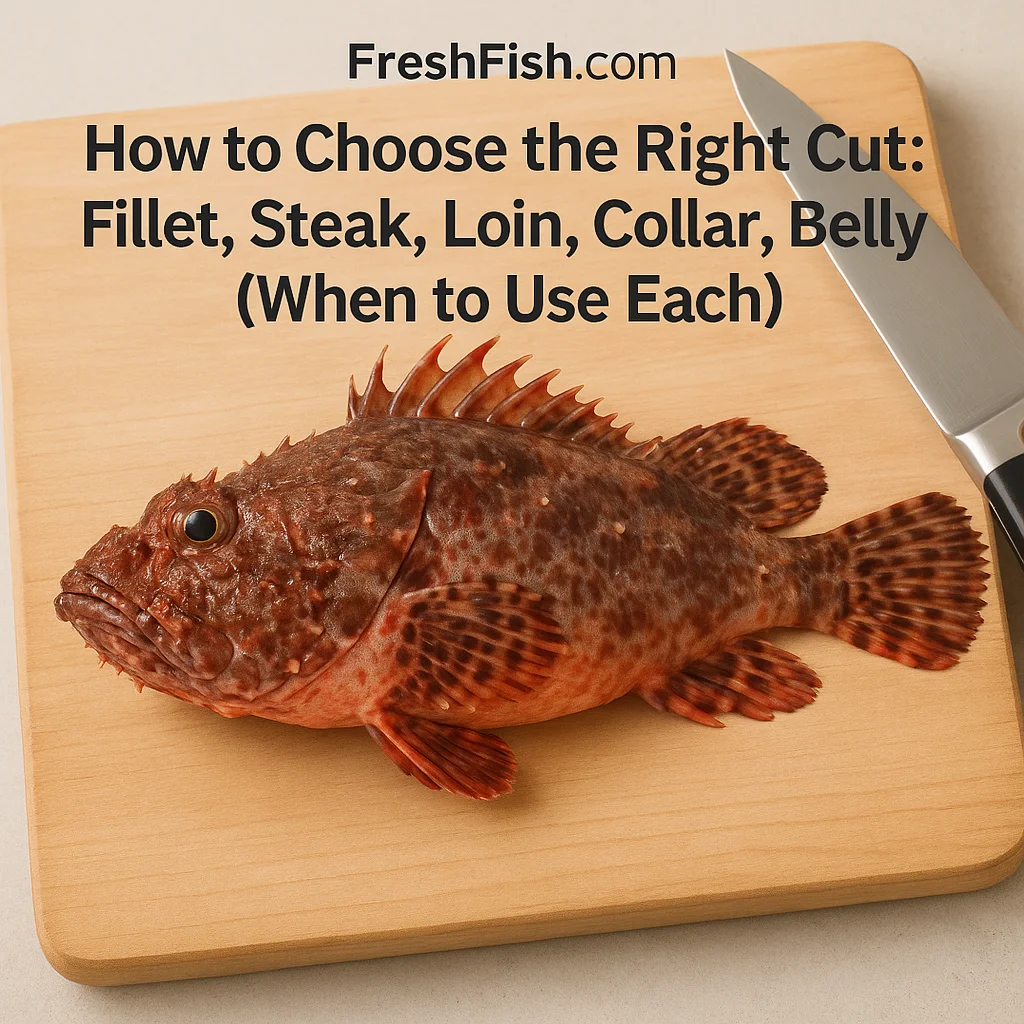
- Best for: Home cooks, culinary enthusiasts, seafood lovers
- Common problems solved: Choosing the wrong cut, undesirable textures, mismatched cooking methods
- What you need: Fresh fish, understanding of cuts, proper cooking tools
🧠 Why This Matters
The cut of fish you choose affects flavor, cooking time, and texture. Understanding which cut to use ensures cost efficiency, palate satisfaction, and cooking convenience. It prevents overcooked or underwhelming dishes and aligns with your cooking methods and desired outcomes.
✅ Step-by-Step Method
Selecting the right fish cut involves understanding your desired dish, cooking method, and the properties of each cut.
- Step 1: Consider your recipe. Does it call for a flaky texture or firm hold?
- Step 2: Determine the cooking method. Grilling favors steaks; pan-searing works well with fillets.
- Step 3: Visit a trusted fishmonger. Discuss your needs and get advice on the freshest options.
- Step 4: Pay attention to the type of fish. Oily fish are suitable for loins and bellies, while lean fish are ideal for fillets and steaks.
- Step 5: Acquire any additional cooking tools needed to prepare your selected cut properly.
🧾 Checklist
Here’s a practical checklist to ensure you choose the right fish cut for your culinary creation.
- Identify the recipe requirements
- Assess the appropriate cooking method
- Choose fresh, high-quality fish
- Match the cut with the type of fish
- Consult with a fishmonger
⚠️ Common Mistakes & Fixes
- Mistake: Using fillets for grilling. Fix: Opt for steaks or collars which hold up better.
- Mistake: Choosing belly cuts for quick frying. Fix: Use loins or fillets that cook evenly and quickly.
- Mistake: Ignoring fat content. Fix: Consider fat-rich cuts like belly and adjust cooking times accordingly.
🌍 Variations by Fish Type
Different fish types and cuts offer unique characteristics and should be used accordingly for optimal results.
- Oily fish: Best suited for loins or collars due to their richness.
- Lean white fish: Favor fillets or thin steaks to maintain moisture and flavor.
- Thick steaks: Great for grilling to achieve a crispy exterior.
- Thin fillets: Ideal for pan-searing or baking for a delicate, flaky texture.
🧊 Storage & Leftovers
Store raw fish in the coldest part of your refrigerator for up to two days. If freezing, wrap in airtight packaging and consume within three months for optimal quality. When reheating leftovers, ensure the fish reaches an internal temperature of at least 145°F (63°C).
🛒 Buying Tips (if relevant)
When shopping, look for bright, clear eyes on whole fish and a fresh ocean scent. Fillets should be translucent and firm, while steaks should show no dry edges. Avoid any fish with a strong fishy odor or discolored flesh.
🧼 Safety Notes
Always avoid cross-contamination by using separate cutting boards and utensils for raw fish. Cook fish to a safe internal temperature and be cautious with raw consumption, such as sushi, which requires high-quality, fresh fish.
❓ FAQs
- Question: Can I use collar for sushi? Answer: Collars are best grilled or roasted due to their fatty richness.
- Question: What's the best cut for poaching? Answer: Fillets or loins are ideal for poaching due to their even thickness.
- Question: How do I remove pin bones? Answer: Use needle-nose pliers to gently remove bones from fillets or loins.
📌 Summary
- Understanding the differences between cuts enhances your dish’s texture and flavor.
- Choose cuts based on cooking methods and fish types for optimal results.
- Proper storage and safety are crucial for maintaining freshness and avoiding contamination.