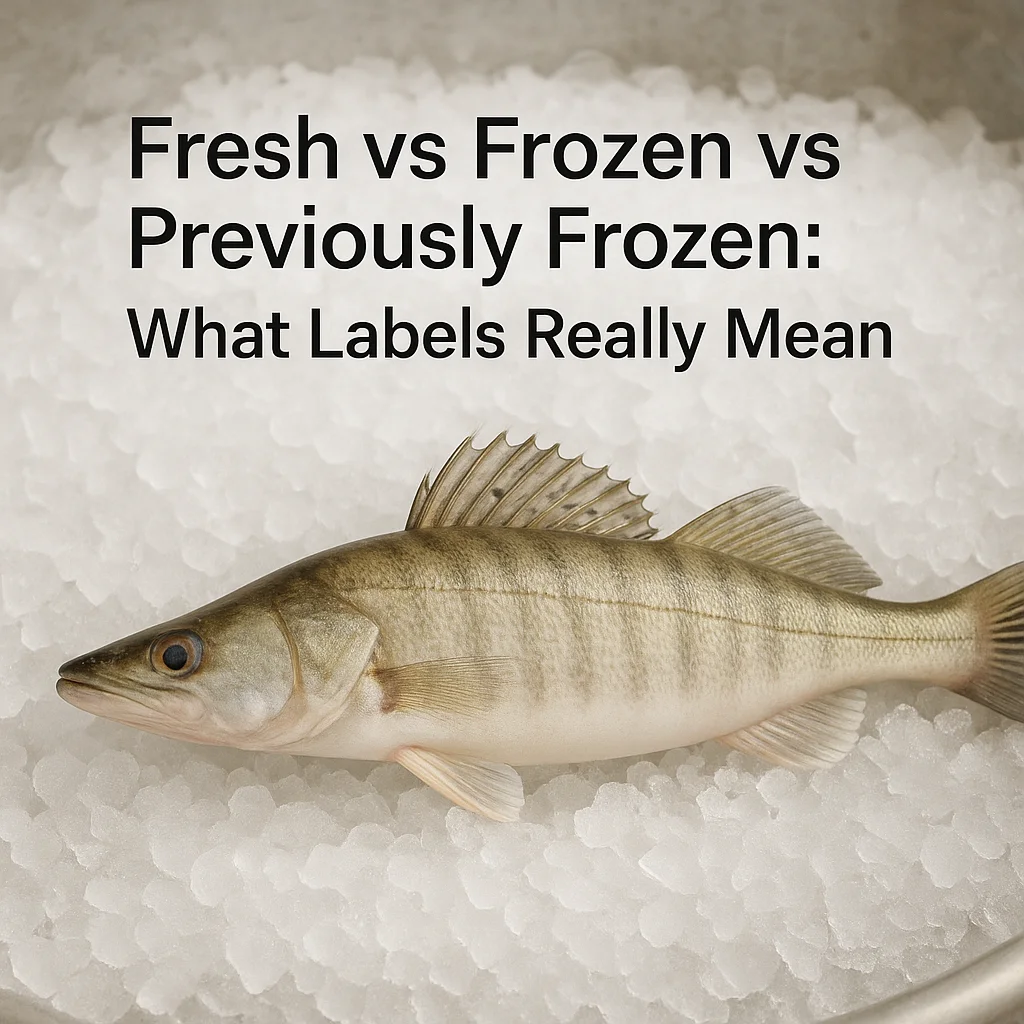
🐟 Fresh vs Frozen vs Previously Frozen: What Labels Really Mean
🧭 Quick Overview
Understanding the distinction between fresh, frozen, and previously frozen seafood is crucial for maximizing taste, safety, and convenience. This guide will help you choose the best option for your culinary needs and ensure you have a great seafood experience.
- Best for: Seafood enthusiasts, home cooks, and novice buyers.
- Common problems solved: Misinterpreting labels, reducing food waste, improving meal quality.
- What you need: Basic kitchen knowledge and keen observation skills for label reading.
🧠 Why This Matters
The way seafood is labeled—fresh, frozen, or previously frozen—significantly impacts its taste, texture, and nutritional value. With seafood's range of delicate flavors, understanding these labels helps you make an informed purchase that aligns with both your taste preferences and cooking plans.
✅ Step-by-Step Method
Follow these steps to effectively choose and handle seafood with different labels.
- Step 1: Identify your cooking plan, which helps determine the best type of seafood to purchase.
- Step 2: Read the labels carefully at the seafood counter or on packaging, noting whether the product is fresh, frozen, or previously frozen.
- Step 3: Select according to your immediate needs. Choose fresh if you plan to cook soon; frozen or previously frozen if storing for later use.
- Step 4: Consider the dish you are making; some recipes benefit from the firm texture of previously frozen seafood, while others might call for the delicate nuance of fresh varieties.
- Step 5: Ensure proper storage—freeze if not using fresh seafood immediately and follow thawing guidelines for frozen and previously frozen products.
🧾 Checklist
Here is a practical checklist to ensure you make the best choice with seafood labels:
- Determine your cooking timeline.
- Know your recipe requirements and flavor profiles.
- Check for clear labeling of the seafood item.
- Purchase fresh seafood within its peak season for the best quality.
- Ensure the packaging of frozen seafood is intact.
⚠️ Common Mistakes & Fixes
- Mistake: Assuming "fresh" always means "never frozen." Fix: Verify with the vendor or label whether the item was ever frozen.
- Mistake: Using improperly thawed seafood. Fix: Thaw in the refrigerator or under cold running water, never at room temperature.
- Mistake: Refreezing previously frozen seafood. Fix: Cook immediately after thawing or store in the fridge for a short period.
🌍 Variations by Fish Type
Seafood varieties differ in texture and flavor, and so do the best practices for fresh, frozen, and previously frozen types.
- Oily fish: Fresh varieties offer richer flavor, though freezing retains nutritional quality.
- Lean white fish: Equally delightful when fresh or frozen; texture generally holds up well to freezing.
- Thick steaks: Handle well in both fresh and frozen states; choose based on availability and price.
- Thin fillets: Fresher varieties are often preferred to prevent drying, though vacuum-frozen versions retain moisture.
🧊 Storage & Leftovers
Store fresh seafood in the refrigerator and use it within two days. For frozen seafood, keep it in the freezer and follow package guidelines for storage duration, usually up to three months. Thaw slowly in the fridge before cooking and avoid refreezing.
🛒 Buying Tips (if relevant)
For the freshest seafood, look for clear eyes and vibrant, firm flesh in whole fish, and a sweet, ocean-fresh smell in fillets. Reputable fishmongers often provide the best indication of quality. Confirm that frozen products have no frost burns or ice crystals.
🧼 Safety Notes
Always avoid cross-contamination by using separate utensils and cutting boards for raw seafood and other foods. Ensure all seafood is cooked to a safe internal temperature, typically around 145°F (63°C), and use a thermometer when in doubt.
❓ FAQs
- Question: Is previously frozen seafood of lower quality? Answer: Not necessarily; when properly frozen, it can retain most of its original flavor and texture.
- Question: Can you refreeze seafood? Answer: It's generally not recommended to refreeze seafood. Thaw only as much as needed.
- Question: How can you tell if frozen seafood is still good? Answer: Check for expiration dates, intact packaging, and absence of significant freezer burn.
📌 Summary
- Understanding seafood labels enhances your dining experience by ensuring optimal taste and safety.
- Selecting between fresh, frozen, and previously frozen affects not only flavor but also nutritional value.
- Proper handling and storage are essential for maintaining seafood quality and preventing waste.