🐟 Budget Seafood Buying Guide: Getting the Best Value Without Sacrificing Quality
🧭 Quick Overview
This guide is designed to help seafood lovers get the best value for their money without compromising on quality. Whether you are a seasoned cook or new to buying seafood, this guide will help you navigate the market with confidence.
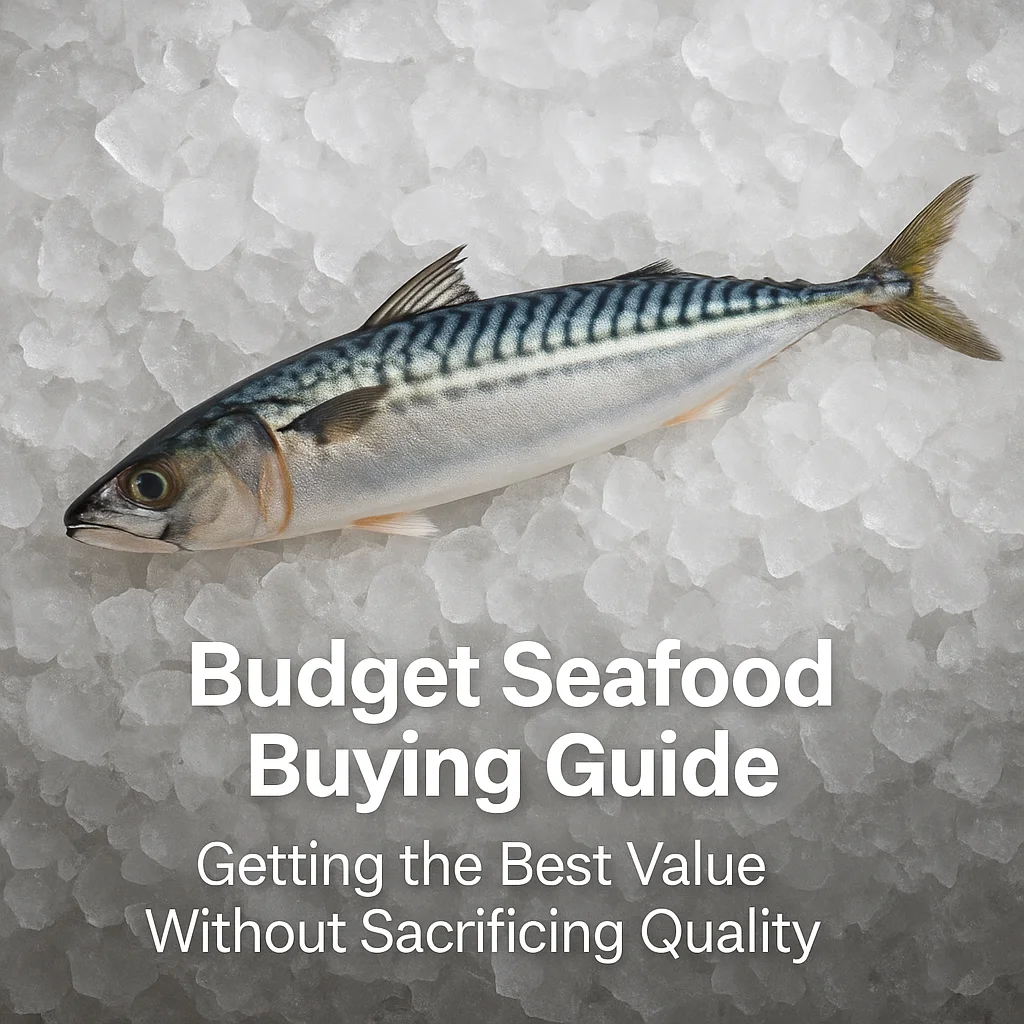
- Best for: Home cooks, seafood enthusiasts, budget-conscious shoppers
- Common problems solved: Finding quality seafood at affordable prices, avoiding seafood spoilage, and maximizing flavor
- What you need: Basic knowledge of seafood varieties, storage containers, a reliable seafood vendor
🧠 Why This Matters
Seafood is a delicious and nutritious part of many global cuisines, but its cost can be a barrier for many people. Understanding how to buy seafood smartly ensures you enjoy this delicacy without breaking the bank. Proper guidance on seafood purchasing can prevent food waste, enhance taste, and provide health benefits while being financially sensible.
✅ Step-by-Step Method
Follow these steps to ensure that you purchase seafood wisely and store it properly to maximize its freshness and flavor.
- Step 1: Decide what type of seafood you need based on your recipe—whole fish, fillets, shellfish, etc.
- Step 2: Visit reputable local fish markets or grocery stores known for their fresh seafood.
- Step 3: Check for quality indicators such as smell, appearance, and firmness of the fish or seafood.
- Step 4: Compare prices across different vendors and choose the best value offer.
- Step 5: Store the seafood properly at home, following storage guidelines for freshness.
🧾 Checklist
Use this checklist to ensure you're getting the best seafood value every time you shop.
- Research seafood options and prices before heading to the store
- Check the store’s reputation for seafood quality
- Look for clear eyes and firm flesh in whole fish
- Ensure shellfish are purchased alive or immediately frozen
- Avoid seafood with an overly fishy odor
- Know seasonal seafood for better pricing and availability
⚠️ Common Mistakes & Fixes
- Mistake: Buying seafood past its prime. Fix: Always check for clear signs of freshness like smell and texture.
- Mistake: Not asking for advice from seafood vendors. Fix: Engage with knowledgeable staff to learn about the best options.
- Mistake: Improper storage leading to spoilage. Fix: Store seafood in the coldest part of your fridge and consume within recommended timescales.
🌍 Variations by Fish Type
Understanding the differences between fish types can maximize your value when purchasing seafood.
- Oily fish: Such as salmon and mackerel, are richer in flavor and tend to have higher fat content. These might be priced higher but offer robust flavor profiles.
- Lean white fish: Options like cod or haddock are milder and can be more affordable.
- Thick steaks: Often ideal for grilling and can be a good choice when you want a heartier meal.
- Thin fillets: Cook quickly and are perfect for lighter, quicker meals.
🧊 Storage & Leftovers
Proper storage is essential to maintain the quality and safety of purchased seafood. Seafood should generally be kept in a refrigerator and, if possible, placed in a sealed container. Consume fresh fish within one or two days. For longer storage, freezing is recommended, ensuring fish is properly wrapped to prevent freezer burn. When reheating, make sure the seafood is heated thoroughly.
🛒 Buying Tips
Being informed can make a significant difference when purchasing seafood.
- Check labels for certification marks like MSC (Marine Stewardship Council) for sustainable choices.
- Smell the seafood; freshness should have a saline scent, not overly fishy.
- Look for clear signs like moist, firm flesh and shiny skin.
- Watch for deals on seafood nearing the end of the shelf life for immediate use.
🧼 Safety Notes
When handling seafood, it's crucial to prevent cross-contamination. Always wash hands, utensils, and surfaces after handling raw seafood. Cook seafood to the appropriate temperatures; when in doubt, consult a reliable source for safe cooking temperatures. Consuming undercooked or raw seafood should be approached with caution due to potential health risks.
❓ FAQs
- Question: How can I tell if seafood is fresh? Answer: Look for firm texture, bright eyes in whole fish, and a clean, oceanic smell.
- Question: Is frozen seafood as good as fresh? Answer: Properly frozen seafood retains a high level of quality and is often flash-frozen shortly after capture.
- Question: What are the risks of eating raw seafood? Answer: There is a risk of foodborne illness; ensure it's sushi-grade or properly sourced for raw consumption.
📌 Summary
- Seafood can be enjoyed inexpensively without compromising quality by making informed purchasing decisions.
- Maintaining proper storage and cooking methods ensures safety and taste.
- Adapting your purchases based on the type and seasonality of fish can enhance your culinary experiences while staying budget-conscious.