🐟 Best Fish for Meal Prep: Picks That Reheat Well and Stay Moist
🧭 Quick Overview
Preparing meals in advance is a practical and efficient way to manage daily meals, especially for busy individuals. This guide helps you choose the best types of fish that not only taste good but also reheat well, maintaining moisture and texture. Whether you’re meal prepping for the workweek or planning for a big family gathering, understanding which fish work best can make all the difference.
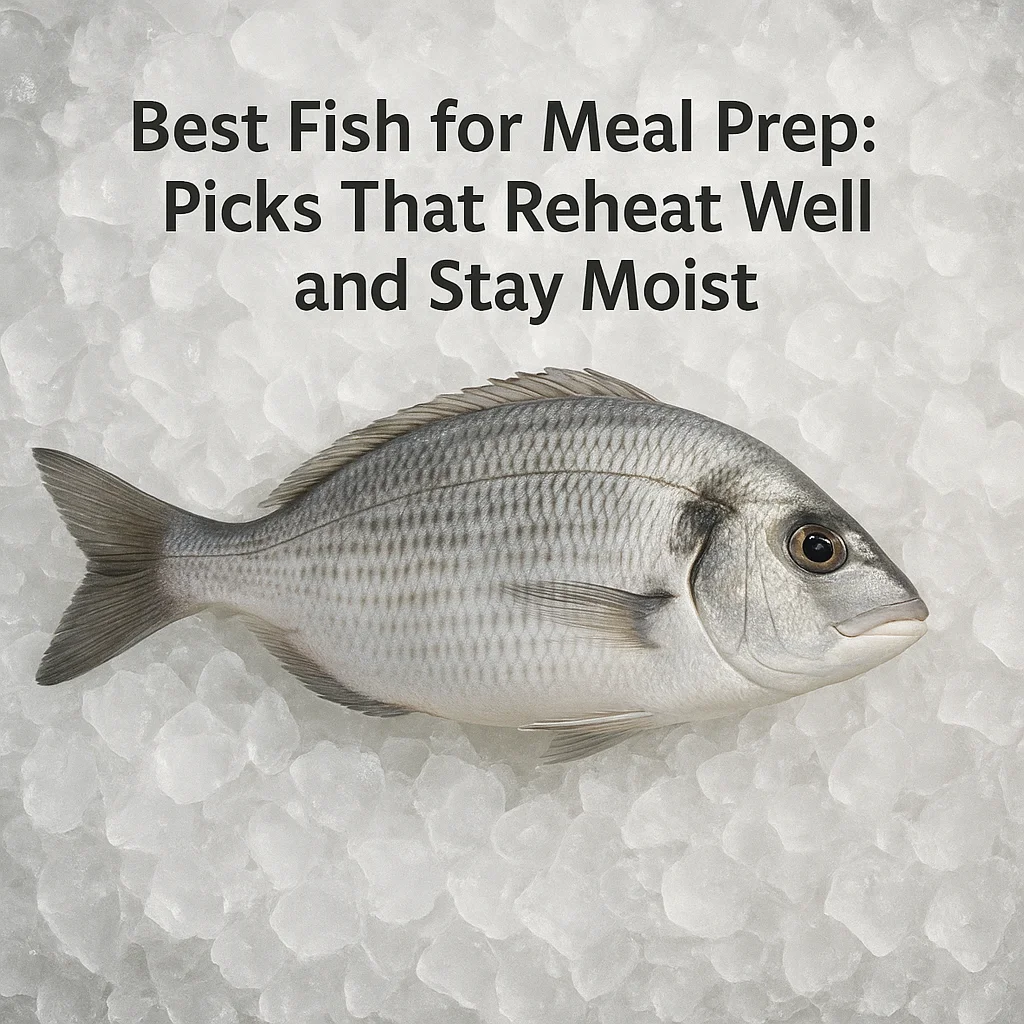
- Best for: Meal preppers seeking convenience and quality in reheated fish.
- Common problems solved: Prevention of dry, flavorless fish after reheating.
- What you need: Quality fish, basic kitchen supplies, and suitable storage containers.
🧠 Why This Matters
Meal prep is all about convenience, but achieving tasty results post-reheating is crucial. Fish offers a rich source of protein while being fast to cook, making it ideal for meal prep. However, not all fish reheat equally. Understanding which fish maintain moisture and taste can elevate your meal prepping game, saving you time without sacrificing flavor or quality.
✅ Step-by-Step Method
To fully enjoy fish in your meal prep routine, follow these steps to ensure it stays moist and delicious, even after reheating:
- Step 1: Choose the right type of fish. Opt for moist, firm-textured fish like salmon, cod, or haddock.
- Step 2: Cook using methods that lock in moisture, such as steaming, baking with foil, or poaching.
- Step 3: Allow cooked fish to cool slightly before transferring it to storage containers.
- Step 4: Store in airtight containers to prevent moisture loss during refrigeration.
- Step 5: Reheat gently using a microwave with a lid or on low heat on the stovetop.
🧾 Checklist
Here’s a quick checklist to ensure your fish meal prep is a success:
- Select firm, oily fish for natural moisture.
- Cook fish through gentle, moist-heat methods.
- Store properly to maintain freshness.
- Reheat with caution to avoid dryness.
- Consider seasoning before reheating for enhanced flavor.
⚠️ Common Mistakes & Fixes
- Mistake: Overcooking fish initially. Fix: Reduce initial cooking time to leave fish slightly underdone.
- Mistake: Storing fish immediately when hot. Fix: Let fish cool to room temperature, then store.
- Mistake: Reheating at high temperatures. Fix: Use low to moderate heat for reheating.
🌍 Variations by Fish Type
Different types of fish can require slightly different handling and cooking methods:
- Oily fish: Salmon and trout stay moist naturally due to higher fat content.
- Lean white fish: Cod and tilapia are mild and need careful cooking and reheating to stay moist.
- Thick steaks: Halibut or swordfish steaks benefit from a gentle bake or grill.
- Thin fillets: Sole or flounder fillets require quick steaming for best results.
🧊 Storage & Leftovers
Store your fish dishes in airtight containers in the fridge, where they can generally remain fresh for up to 3 days. To reheat, use a microwave-safe dish with a lid on medium power to retain moisture. Alternatively, reheating in an oven set to low temperatures can preserve texture without drying the fish out.
🛒 Buying Tips
When purchasing fish for meal prep, look for fresh fillets or whole fish with shiny, firm flesh and a slight sea smell. For frozen options, ensure the package is sealed properly without ice crystals. Freshness is key to flavor retention after reheating.
🧼 Safety Notes
To ensure food safety, always wash hands after handling raw fish, use separate cutting boards to prevent cross-contamination, and cook fish to an internal temperature of 145°F (63°C). If ever in doubt about freshness, it’s best to err on the side of caution and not use the fish.
❓ FAQs
- Question: Can I refreeze cooked fish? Answer: Generally, it's best to avoid refreezing cooked fish to maintain quality.
- Question: How long can reheated fish stay refrigerated? Answer: Reheated fish should be consumed immediately and not left in the fridge.
- Question: Is there a best method for seasoning meal-prepped fish? Answer: Lightly season prior to cooking, and adjust seasoning during reheating as desired.
📌 Summary
- Choose fish types that naturally retain moisture.
- Avoid overcooking and reheat gently to maintain texture.
- Store properly to preserve flavor and safety.