🐟 Spanish Mackerel
Spanish Mackerel, known in some regions as Scomberomorus maculatus, is a firm favorite among seafood lovers worldwide. This medium-sized, silvery fish is cherished for its rich taste and versatility in various culinary preparations. Often found in coastal and temperate waters, Spanish Mackerel is a type of oily fish, a term used to indicate species rich in omega-3 fatty acids. Oily fish are renowned for their distinct flavors and health benefits, making them a sought-after choice for both home cooks and professional chefs.
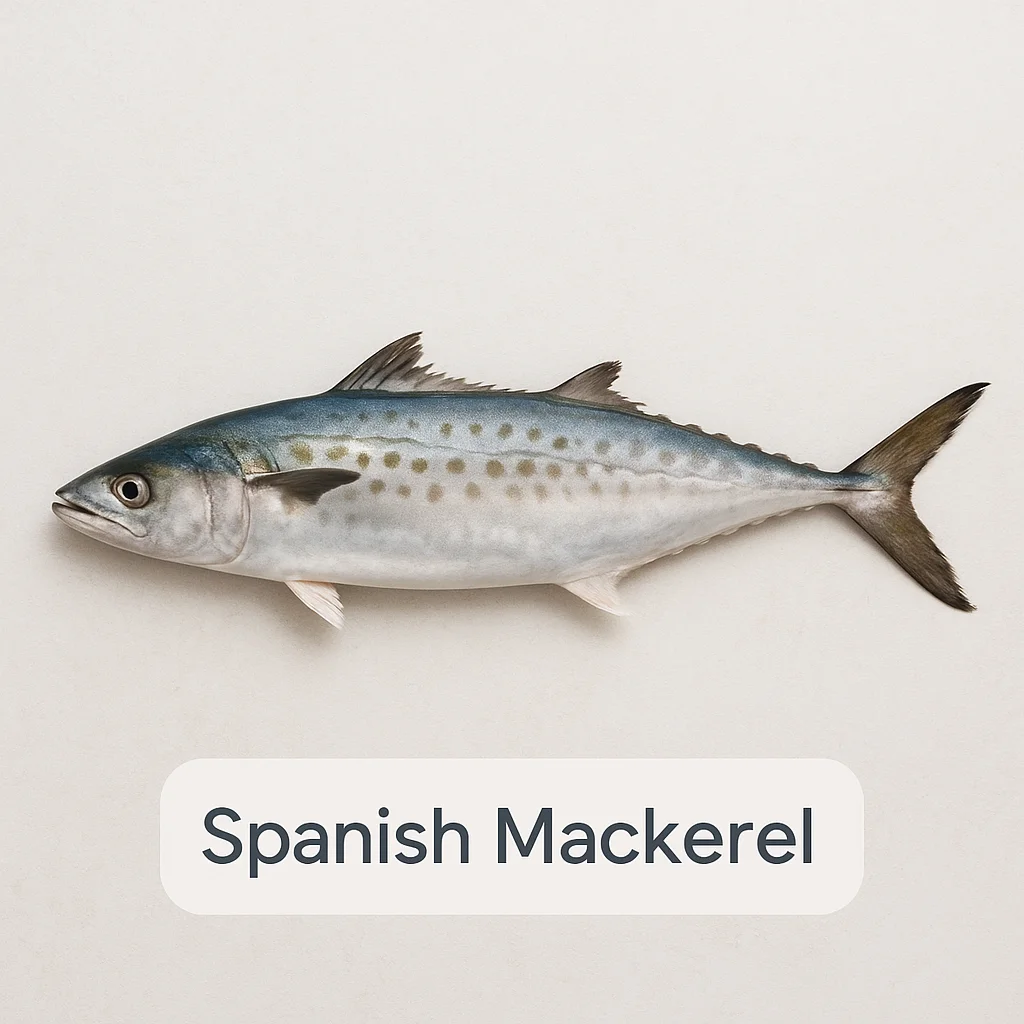
The consumption of Spanish Mackerel is popular due to its robust flavor and the ease with which it can be prepared. Whether grilled, baked, or served raw as sushi, it offers a flavorful punch that enhances many dishes. First-time tasters often appreciate its bold taste and the slightly flaky, moist texture that complements a variety of cooking methods.
🐠 Taste & Texture
Spanish Mackerel is celebrated for its rich, full-bodied taste. The fish exudes a slightly sweet, yet savory flavor enhanced by its natural oils. As an oily fish, it boasts a silky texture that is at once firm and moist, making it a versatile choice for many culinary applications.
- Flavor intensity: Bold and rich
- Sweetness: Mildly sweet
- Saltiness: Natural, low
- Fattiness: Oily
- Mouthfeel: Moist and silky
- Flake size: Medium
- Fresh smell: Clean, sea-like aroma
🌊 Origin & Habitat
Spanish Mackerel is typically found in the warm coastal waters of the Atlantic Ocean, particularly along the eastern coasts of the Americas and Asia. These fish prefer shallower waters, thriving at depths where they hunt schools of smaller fish and crustaceans. Though predominantly wild-caught, increased interest in sustainable seafood practices has led to the development of some farmed varieties, though these are less common. Farm-raised Spanish Mackerel may have a slightly different flavor profile owing to dietary differences.
📅 Best Season
The best season to catch or purchase Spanish Mackerel often depends on regional fishing practices and environmental conditions. Generally, they are most abundant in the late spring through summer, when the warmer temperatures boost their fat reserves, resulting in optimal flavor and texture. However, seasonality varies by region, and it’s advisable to check local sources for specific availability.
🔪 Preparation
Preparing Spanish Mackerel requires some basic fish-cleaning skills. Begin by rinsing the whole fish under cold water and patting it dry. Using a sharp knife, scale the fish by scraping from tail to head. Cut behind the gills to remove the head, and make an incision along the belly to remove the innards. Ensure any pin bones are carefully removed, often with tweezers for precision.
- Rinse under cold water
- Pat dry with paper towels
- Scale from tail to head
- Remove head and guts
- Check for pin bones
To manage the fishy odor, try soaking the fillets briefly in milk or a saltwater solution, followed by a quick rinse. This can help neutralize the stronger aromas without affecting the fish's fresh taste.
❄️ Storage Tips
Proper storage is crucial to maintaining the quality of Spanish Mackerel. In the refrigerator, it should be consumed within 1-2 days. Keep the fish on ice in a shallow container to ensure consistent coldness, and cover it with a damp cloth or light plastic wrap.
When freezing, divide the fish into portions and wrap each piece tightly in plastic wrap, followed by an extra layer of aluminum foil or a freezer bag to prevent freezer burn. Store for up to three months. Thaw slowly in the refrigerator before cooking.
- Do: Store on ice in the fridge
- Do: Use airtight wrapping when freezing
- Don't: Leave unrefrigerated for extended periods
- Don't: Refreeze once thawed
🍽️ Popular Dishes
Spanish Mackerel features prominently in a range of international dishes:
- Grilled Spanish Mackerel: Cooked over high heat to char the skin, highlighting its natural oils and creating a crispy texture.
- Pan-Seared Mackerel Fillets: Finished with a squeeze of lemon, offering a balance of crisp skin and tender flesh.
- Mackerel Stew: Simmered gently with vegetables and spices to draw out its rich, savory flavors.
- Fried Mackerel: Lightly battered and fried, perfect for crispy fish tacos.
- Baked Mackerel with Herbs: Oven-baked with rosemary or thyme, maintaining moisture and enhancing the aromatic qualities.
- Mackerel Ceviche: A refreshing dish with lime juice and chili, but requires caution due to raw preparation.
For raw dishes, ensure the fish is sashimi-grade, which implies it’s safe for raw consumption, though one must be aware of the increased risk of parasites in raw fish preparations.
🥗 Nutritional Benefits
Spanish Mackerel is noted for its nutritional value, being a good source of protein and omega-3 fatty acids, which are beneficial for cardiovascular health. It also provides essential vitamins and minerals like vitamin D and selenium, contributing to a well-rounded diet.
- High in omega-3 fatty acids
- Rich in protein
- Contains vitamin D and selenium
⚠️ Who Should Eat & Caution
While Spanish Mackerel is generally considered a healthy choice, individuals with fish allergies should exercise caution due to potential cross-contact in seafood processing facilities. As with many large predator fish, moderate mercury content can be a concern; young children and pregnant individuals may wish to limit their intake accordingly.
Those consuming raw or undercooked mackerel should be aware of the potential for parasites and foodborne illness. Practicing proper hygiene, such as handwashing and using clean utensils and surfaces, helps minimize these risks effectively.
📌 Summary
Spanish Mackerel offers a delightful blend of rich flavor and nutritional benefits, making it a highly prized fish in global cuisines. Whether enjoyed grilled, baked, or served raw in carefully prepared dishes, its versatility and robust taste make it a favorite among seafood enthusiasts.
- Rich and oily flavor, ideal for various cooking methods
- Seasonality may affect availability and quality
- Store properly to maintain freshness and flavor
- A source of essential nutrients but consume responsibly
By following best practices for preparation and storage, you can enjoy the full benefits of Spanish Mackerel, a true gem of the sea.