🐟 Horse Mackerel
Horse Mackerel, also known as Trachurus or Scad, is a popular fish found in many parts of the world. Often enjoyed for its distinctive flavor and versatility in culinary applications, Horse Mackerel is a staple in various cuisines. This fish is known for its oily flesh and is commonly grilled, fried, or served as sashimi. People appreciate it for its accessible taste and nutritional benefits, making it a favorite choice among seafood enthusiasts.
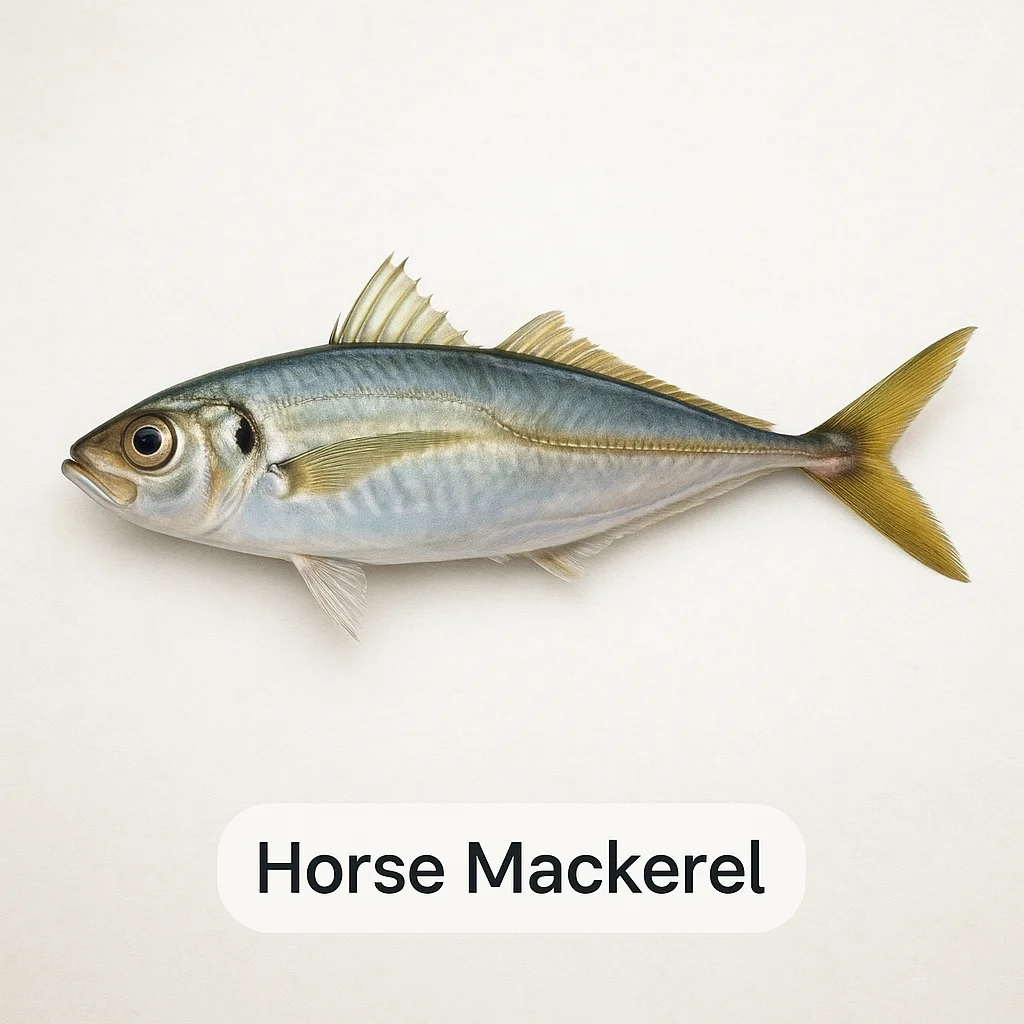
As an oily fish, Horse Mackerel is rich in omega-3 fatty acids, offering both health benefits and a unique taste experience. Its presence in both wild and farmed environments allows for widespread availability, catering to different preferences and market demands. In this article, we will explore the taste, origin, preparation, and health considerations related to Horse Mackerel, providing a comprehensive guide for those interested in this versatile seafood.
🐠 Taste & Texture
Horse Mackerel has a distinct taste and texture that appeals to seafood lovers. Its flavor is richer and more robust than that of many white fish, with a hint of natural sweetness balanced by a mild saltiness. This makes it a versatile option for various cooking methods, from grilling to pan-searing.
The texture of Horse Mackerel is firm yet flaky. The oil content gives the fish a tender and moist feel when cooked, with a satisfying mouthfeel. Fresher specimens should exhibit a clean, briny aroma, reminiscent of the ocean. When prepared sashimi-style, it provides a rich taste experience with a smooth, buttery texture.
- Rich and robust flavor
- Firm yet flaky texture
- Natural sweetness and mild saltiness
- Oceanic aroma when fresh
🌊 Origin & Habitat
Horse Mackerel is typically found in coastal waters, preferring areas close to continental shelves. It thrives in temperate and tropical marine environments, where it can move freely between the surface and deeper waters. This species is often harvested in regions such as the Atlantic Oceans, the Mediterranean Sea, and parts of the Pacific Ocean.
Whether wild-caught or farmed, Horse Mackerel often maintains its rich taste and firm texture. The availability of this fish can vary globally due to differing regional fishing practices and regulations. Wild-caught variants may boast a more pronounced natural flavor, while farmed versions offer a consistent supply.
📅 Best Season
The best season for Horse Mackerel often aligns with periods when the fish are at their fattest, which can significantly enhance the flavor and texture. Generally, the peak season for this fish is during late spring to early autumn. However, seasonality can vary by region due to differing environmental and migratory patterns.
During peak seasons, Horse Mackerel is not only at its best nutritionally but may also be more affordable and abundant, making it an excellent time to enjoy this seafood. When shopping for Horse Mackerel, choosing peak season fish ensures better quality and sustainability.
🔪 Preparation
Preparing Horse Mackerel requires some basic skills to ensure the best culinary results. Here are the recommended steps:
- Scale the fish carefully using a fish scaler or a dull knife
- Make an incision along the belly to remove the entrails
- Rinse the fish under cold water to remove any residual blood or organs
- Trim fins as desired for ease of cooking
- Locate and remove pin bones using tweezers
To minimize any fishy odor, the fish can be soaked in milk for a short period, rinsed with a mild salt solution, or given a quick fresh water rinse. These methods can help maintain the fish’s freshness without affecting its natural flavor.
❄️ Storage Tips
Proper storage of Horse Mackerel is essential to preserve its quality and flavor. Here are some practical tips:
- Refrigerate fresh Horse Mackerel, ideally using ice packs, and consume within 1-2 days
- Store in airtight containers or tightly wrapped in plastic wrap to maintain freshness
- For freezing, portion the fish first; remove as much air as possible to avoid freezer burn
- Thaw frozen fish in the refrigerator for the best texture and taste retention
🍽️ Popular Dishes
Horse Mackerel can be prepared in a variety of exciting ways across different cuisines. Here are some popular dishes:
- Grilled Horse Mackerel: Cooked over high heat, it results in a crispy skin and moist interior
- Pan-seared Horse Mackerel: Quick cooking enhances its natural flavors and creates a beautiful crust
- Japanese Sashimi: When served raw, ensure sashimi-grade quality for safety; offers a clean, rich taste
- Fried Horse Mackerel: Lightly battered and deep-fried for a crunchy exterior
- Steamed with Aromatics: Gently steaming with herbs preserves moisture and highlights subtler flavors
- African Fish Stew: Simmered with spices and vegetables, providing a hearty dish
- Spanish Escabeche: Marinated in vinegar and spices, offering a piquant taste
- Latin American Ceviche: Raw fish cured in citrus juices; ensure proper handling to mitigate risk
🥗 Nutritional Benefits
Horse Mackerel is a nutritional powerhouse, offering several health benefits owing to its rich profile of essential nutrients. It is known for its high protein content, supporting muscle health, and maintenance. Additionally, being an oily fish, it is an excellent source of omega-3 fatty acids, which are beneficial for heart and brain health.
This fish also contains several vitamins and minerals that contribute to overall well-being. Here are some notable nutrients:
- Protein: Essential for building and repairing tissues
- Omega-3 Fatty Acids: Supports cardiovascular and cognitive health
- Vitamin D: Important for bone health
- Vitamin B12: Supports nerve function and red blood cell formation
⚠️ Who Should Eat & Caution
While Horse Mackerel is nutritious, it is essential to be mindful of potential allergens and dietary restrictions. Fish and shellfish are common allergens; therefore, those with allergies should avoid or take precautionary measures. Kitchens should also practice cross-contact prevention to avoid exposing susceptible individuals.
Regarding mercury content, Horse Mackerel's levels are typically lower than other fish, but it is advised that pregnant individuals, nursing mothers, and young children consume it in moderation. Raw or undercooked preparations pose a risk of parasites; thus, it should be sourced from reputable suppliers when consumed in such forms.
📌 Summary
Horse Mackerel is a versatile seafood option that appeals to a wide audience due to its rich taste, tender texture, and nutritional benefits. It offers flexibility in preparation methods, from grilling to raw dishes, making it a favorite worldwide. Proper storage and handling ensure the best culinary experience while mitigating safety concerns.
- Rich flavor and firm texture
- Available globally, peak season varies
- Prepare carefully to preserve flavor and safety
- Suitable for a variety of cooking methods
- Nutritious with mindful consumption considerations