🐟 Bonito
Bonito, commonly referred to around the globe as a smaller relative to tuna, is a widely appreciated fish both in commercial and recreational fishing. Bonito is often enjoyed due to its rich taste and versatile culinary uses. Known by names such as Sarda in some regions, it is a member of the mackerel family and varies in size, typically reaching around 30 inches in length. People eat Bonito for its distinctive flavor, which can be an excellent addition to various dishes or enjoyed on its own.
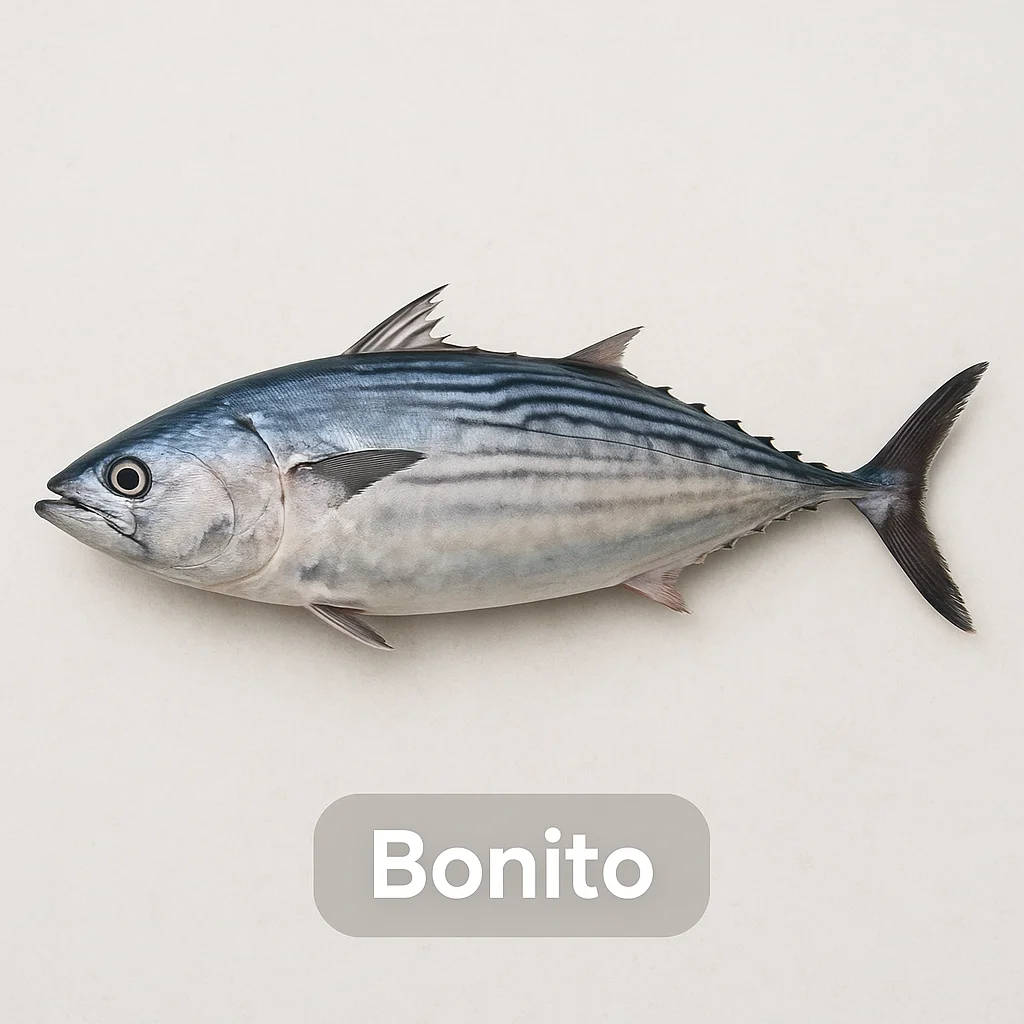
This fish is popular because it delivers on taste without being as overpowering as larger species like tuna. Its availability in many coastal waters makes it a convenient and accessible choice for seafood lovers. The Bonito's flavor is enticing, and it often finds a place on plates across different cuisines worldwide, from Mediterranean to Asian culinary traditions.
🐠 Taste & Texture
The Bonito is known for its robust, yet not overwhelming, flavor. The taste is often described as a balance between the mildness of lighter fish and the richness of more oily varieties. Its lean flesh is firm with medium flakes and just enough natural oiliness to create a satisfying mouthfeel. When fresh, Bonito has a clean, oceanic scent without any fishy odor. This makes it an excellent choice for both cooked and raw preparations, given appropriate freshness and handling.
- Flavor Intensity: Medium, between mild and strong
- Sweetness: Low
- Fattiness: Moderately oily
- Smell when fresh: Clean and ocean-like
- Mouthfeel: Firm, medium flakes
🌊 Origin & Habitat
Bonito typically inhabits coastal and open ocean waters. They are found in warm and temperate regions of the Atlantic Ocean, Mediterranean Sea, and parts of the Pacific Ocean. This fish thrives in both shallow coastal waters and deeper ocean expanses. Unlike their larger relatives, Bonito are seldom farmed and are primarily caught in the wild, which can contribute to their firm texture and flavorful profile.
Regions where Bonito is commonly harvested include the coastal waters off Japan, Spain, and the east coast of North America. The migratory nature of Bonito can influence availability, making them more abundant at certain times of the year, depending on the region.
📅 Best Season
The peak season for Bonito can vary widely by region. Generally, they are most plentiful during warmer months when they are actively feeding and migrating. The quality of Bonito may be higher during peak seasons due to enhanced fat content, leading to improved taste and texture. Prices may also fluctuate with availability, often being more affordable during times of abundance.
If you're seeking Bonito, it's advisable to consult local resources or fish markets for the freshest catch, as seasonality can differ substantially based on local environmental factors.
🔪 Preparation
Preparing Bonito requires some essential steps to ensure safety and enhance the dining experience. The fish should be descaled, gutted, and cleaned thoroughly. Removing pin bones and trimming the fillets is crucial for both safety and texture. Basic knife skills are recommended to ensure even fillets and efficient handling. It's important to use separate cutting boards for raw fish to prevent cross-contamination.
- Descale and gut the fish thoroughly
- Remove pin bones with tweezers
- Trim fillets for clean edges
- Use separate boards for raw seafood
To manage any strong odors during preparation, a brief soak in milk, a light salt rub, or a quick rinse may be employed. However, these methods should be used with care, as over-soaking can affect the natural texture and flavor of the fish.
❄️ Storage Tips
To maintain the quality and safety of Bonito, proper storage is essential. Fresh Bonito should be kept in the refrigerator and consumed within a day or two. On ice, the fish remains in optimal condition and should be wrapped in airtight packaging to prevent drying out. For freezing, portion the fillets, remove as much air as possible using vacuum sealing, and place them in freezer-safe wraps to ward off freezer burn. When ready to use, thawing should occur in the refrigerator to prevent the proliferation of bacteria.
- Do wrap Bonito tightly for fridge and freezer storage
- Don’t leave in the fridge for more than 48 hours unsupervised
- Do freeze in airtight bags, removing excess air
- Don’t refreeze once thawed
🍽️ Popular Dishes
Bonito is a versatile fish that fits a variety of cooking methods and cuisines. Popular dishes include:
- Grilled Bonito: Enhances its natural flavors; best cooked over high heat for a slightly smoky finish.
- Pan-seared Bonito: Quick and easy, providing a crisp, caramelized exterior.
- Bonito Stew: Incorporates Bonito's rich flavors into a soup; simmer over gentle heat to preserve its texture.
- Fried Bonito: Coated in batter or flour and fried for a crisp texture; pairs well with dipping sauces.
- Steamed Bonito: Delicate and moist; preserves the natural taste and enhances the fish's tenderness.
- Ceviche-style Bonito: Raw Bonito marinated in citrus juices; ensure safety with sashimi-grade freshness.
Raw preparations of Bonito, such as ceviche or sashimi, should be handled with stringent food safety practices, as raw fish consumption can carry risks if not properly managed.
🥗 Nutritional Benefits
Bonito is a nutritious choice for those seeking a high-protein seafood option. It provides a valuable source of omega-3 fatty acids, which are known for their heart health benefits. In addition, Bonito contains vitamins like B12 and D, alongside essential minerals such as selenium and phosphorus, which contribute to various bodily functions.
- High in protein
- Contains omega-3 fatty acids
- Rich in vitamin B12
- Good source of selenium and phosphorus
⚠️ Who Should Eat & Caution
Fish and seafood allergies are a critical consideration for some individuals; those with known fish allergies should avoid Bonito. Cross-contact in kitchens can pose risks for allergy sufferers, and diligent handling is necessary. Like many fish, Bonito may contain levels of mercury; thus, consumption should be moderated, especially for pregnant individuals and young children.
Consuming raw or undercooked Bonito raises concerns about parasites and bacteria, emphasizing the importance of purchasing from reputable sources and following safe food handling techniques. Sourcing sashimi-grade Bonito and storing it properly can mitigate some risks.
📌 Summary
Bonito is a flavorful fish that offers a blend of taste and versatility, fitting for various culinary applications. Its moderate oil content and firm texture make it suitable for grilling, frying, and even raw preparations like ceviche, given adequate safety measures. With proper storage and handling, Bonito remains a delectable choice for seafood enthusiasts.
- Medium flavor intensity with slight oiliness
- Available in warmer coastal regions worldwide
- Careful handling and storage ensure safety and freshness
- Diverse cooking methods enhance its natural taste